Category
Life-Stages
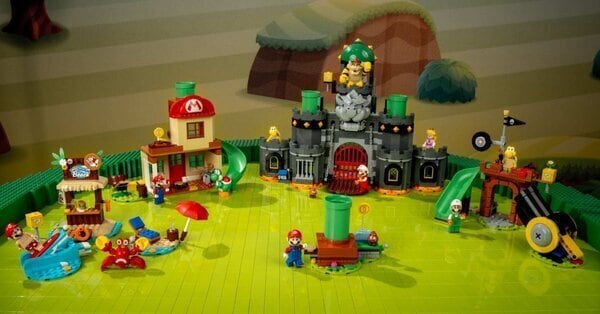
Constructible Franchises
Adult consumers indulge in nostalgic gaming with or without their children.
Trend
Childhood Revisited: Today's adult consumer works on a very busy schedule that leaves little time for leisure. With no time for vacation or hobbies, consumers are turning to literal playtime -- with or without their children -- through games that directly mimic their childhood experiences and thus, are targeted to both them and their offspring. Ultimately, consumers may be seeking escape, but they still want to escape to somewhere familiar.
Trend themes
Firms design their marketing strategies around nostalgic products to capture the emotional appeal of consumers'
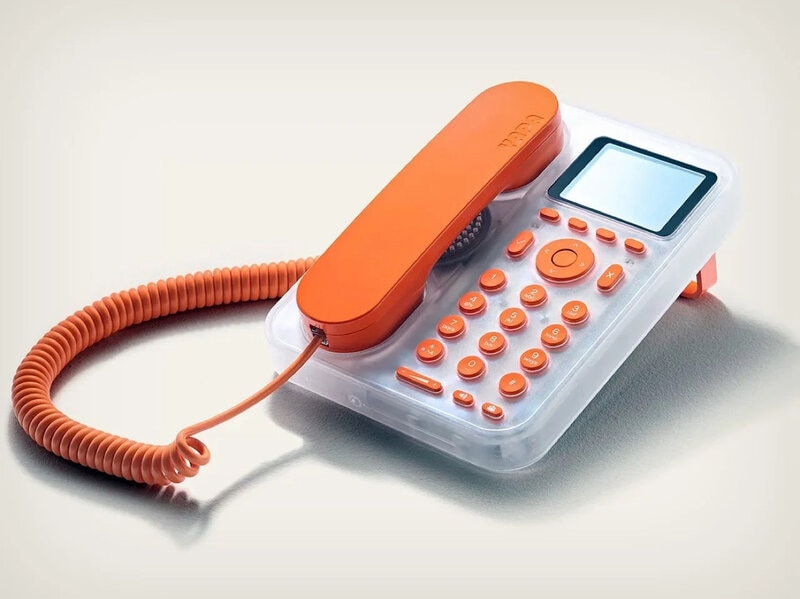
Modernizing old products with futuristic features to relaunch them by appealing to the consumers’ sense of optimism
Offering consumers opportunities to personalize their purchases by getting involved in product design or related brand activities
Industry implications
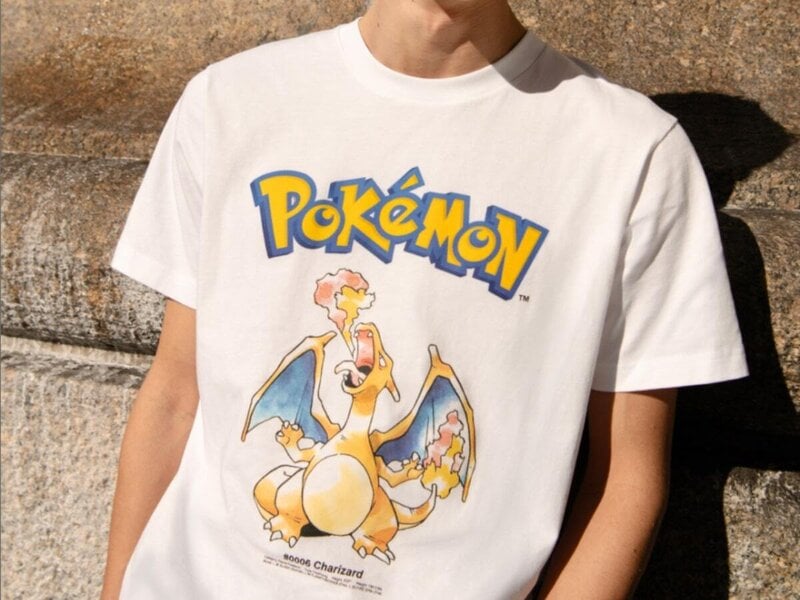
Nostalgic-based trends provide opportunities for firms to create new fashion lines inspired by a mix of old styles-futurism
Designing and manufacturing mobile apps or games centered on nostalgic, older games releases
Nostalgic-based ads or re-releases could be an opportunity for creating new TV shows, movies, or music videos
Trend signals
Trend score 3.2 out of 10, from popularity 54%, activity 35%, freshness 8%.
Evidence
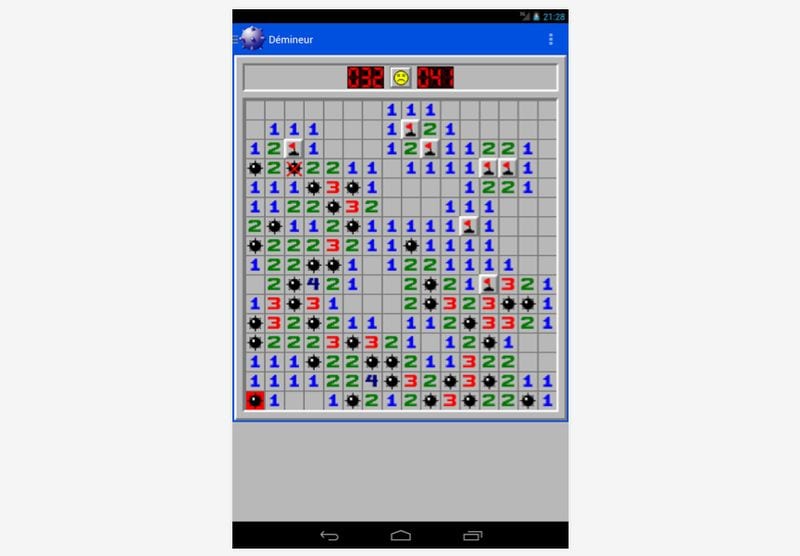
Minesweeper Smartphone App Brings Back the Long-Lost Explosive Logic Game
Industry that can benefit from creating retro-style games with updated graphics and personalization features.
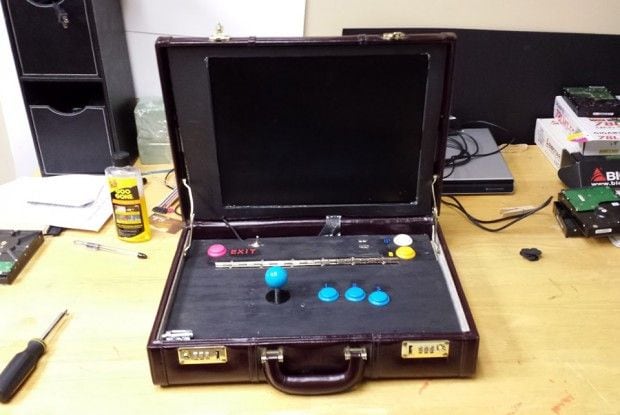
Take Your Favorite Games to Work with the Briefcase Arcade Machine
Disruptive innovation opportunity: Innovate new gaming accessories that enhance the gaming experience for both casual and hardcore gamers.
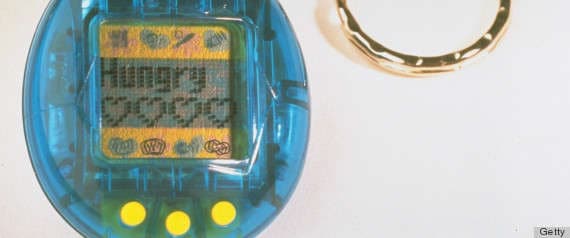
Embrace Your Inner 90s Kid with the Tamagotchi Clothing Line
An obvious industry to benefit from the trend of nostalgic clothing lines and hybrid fashion pieces.
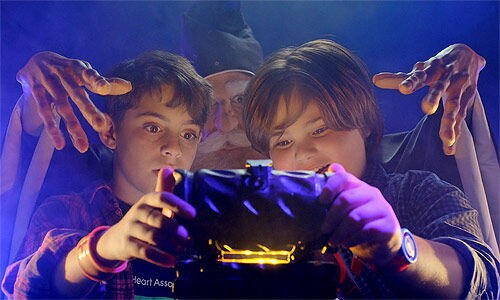
The Bored Game Ad Pokes Fun at the Cliches of Nostalgic Toy Ads
By tapping into the trend of nostalgia, toy companies can revitalize classic products and concepts, creating innovative products that appeal to both new and old generations of con…