
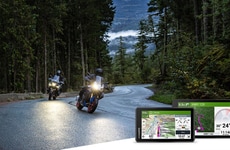
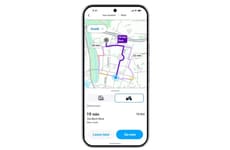
Companies Launch GPS and Navigation Apps Designed Directly for Motorcyclists
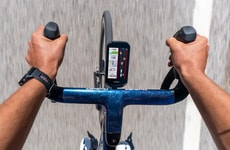
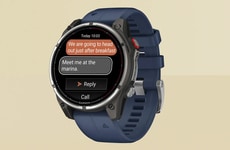
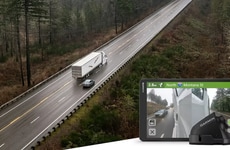
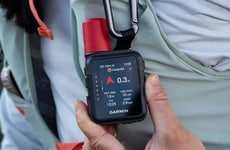
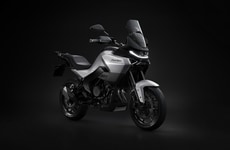
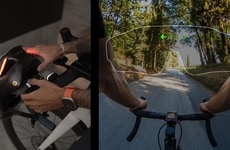
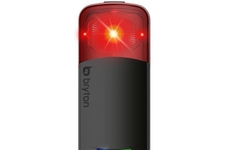
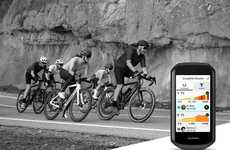
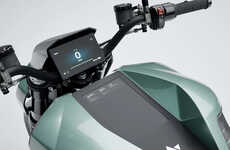
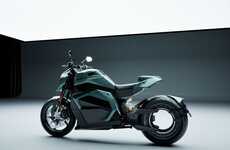
Trend - Companies are releasing GPS and navigation devices designed for motorcycles rather than generic all‑vehicle systems. These tools prioritize rider‑specific routing, elevation changes and safer turn logic, positioning motorcycle‑optimized navigation as a premium upgrade that improves ride quality.
Insight - Many riders feel underserved by standard car?focused navigation tools that ignore the realities of motorcycle travel. Generic GPS systems often recommend routes that are boring, unsafe or poorly suited to two?wheel handling, leaving riders frustrated and disconnected from the experience they want. Motorcycle?specific navigation devices address this gap by offering tailored route types, better visibility in sunlight, glove?friendly controls and smarter hazard awareness.
Insight - Many riders feel underserved by standard car?focused navigation tools that ignore the realities of motorcycle travel. Generic GPS systems often recommend routes that are boring, unsafe or poorly suited to two?wheel handling, leaving riders frustrated and disconnected from the experience they want. Motorcycle?specific navigation devices address this gap by offering tailored route types, better visibility in sunlight, glove?friendly controls and smarter hazard awareness.
Workshop Question - How might we create a tailored navigation experience that addresses the unique needs and challenges faced by our audience in their specific mode of travel?
Trend Themes
-
Rider-specific Navigation — Motorcycle-first routing reveals opportunities for platforms that account for lean angles, road texture, elevation, scenic value, and two-wheel-accessible shortcuts beyond conventional car navigation logic.
-
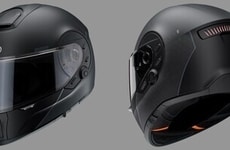
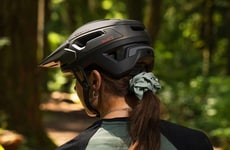
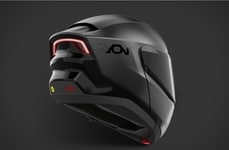
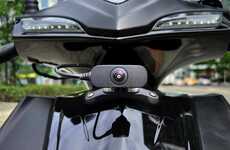
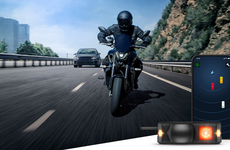
Immersive Safety Interfaces — AR helmets, radar alerts, and spatially anchored guidance indicate a market opening for low-distraction systems that merge navigation, hazard detection, and situational awareness into the rider’s field of view.
-
Adaptive Ride Intelligence — AI-powered personalization and real-time hazard reporting create space for predictive ride companions that learn rider preferences, surface safer routes, and adjust guidance to changing road conditions.
Industry Implications
-
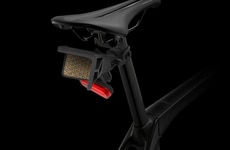
Powersports Technology — Connected hardware, rugged GPS units, and motorcycle-specific sensors point to premium product ecosystems built around durability, safety, performance data, and rider experience enhancement.
-
Mobility Software — Navigation apps and AI routing tools demonstrate how mobility platforms can differentiate by serving niche vehicle types with specialized maps, voice controls, and contextual travel intelligence.
-
Wearable Electronics — Helmet displays, audio alerts, and hands-free interfaces show potential for wearable systems that deliver critical information without requiring riders to look away from the road.