Category
Lifestyle
Assisted Choices
Satirical elements in ads make promoted products more memorable.


Trend
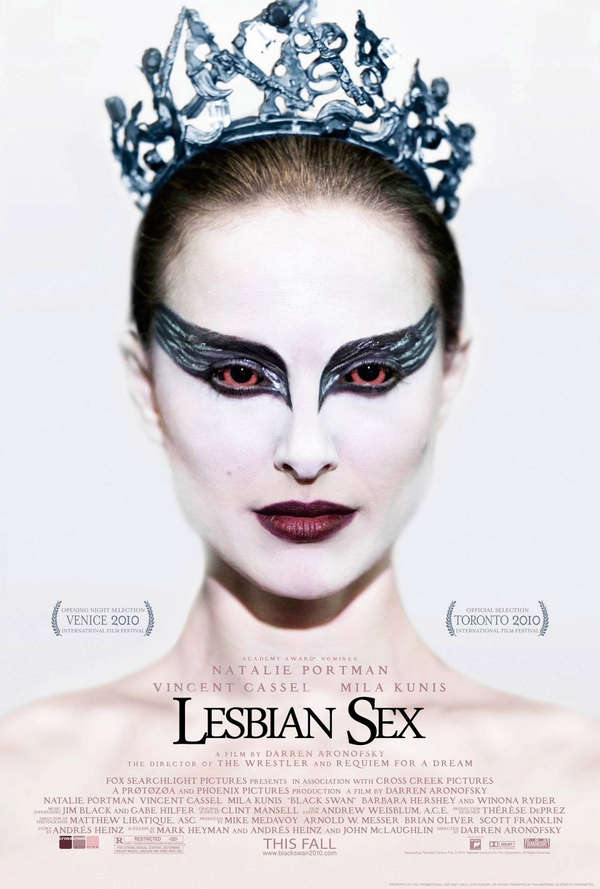
Mockvertising: As humor is often considered a key to successful advertising, ad agencies are effectively executing both satirical and thought-provoking marketing campaigns to captivate their audiences. Generating creative adverts with a sarcastically humorous edge, advertisers are leaving a lasting impression with their works, giving spectators something to think and laugh about after viewing the ads produced.
Trend themes
Satirical and thought-provoking marketing campaigns are captivating audiences and leaving a lasting impression on viewers.
Humor is an essential part of advertising as it helps to generate creative ads with a sarcastically humorous edge, which are more memorable.
Designers are using irony to make their work more engaging and thought-provoking, which helps to connect better with their audience.
Industry implications
Satirical and humorous advertising campaigns are becoming popular among advertisers to captivate audiences and create engagement.
Designers are exploring the use of irony in their work, making it more engaging and thought-provoking for their audience.
The entertainment industry can use humor and satire to promote their products, making them more memorable and engaging for their audience.
Trend signals
Trend score 6.6 out of 10, from popularity 94%, activity 97%, freshness 8%.
Evidence
The Shiznit Makes Literal Posters for This Year's Nominees
Disruptive innovation opportunity: Incorporate humor-driven marketing strategies into the film industry to engage and attract broader audiences.
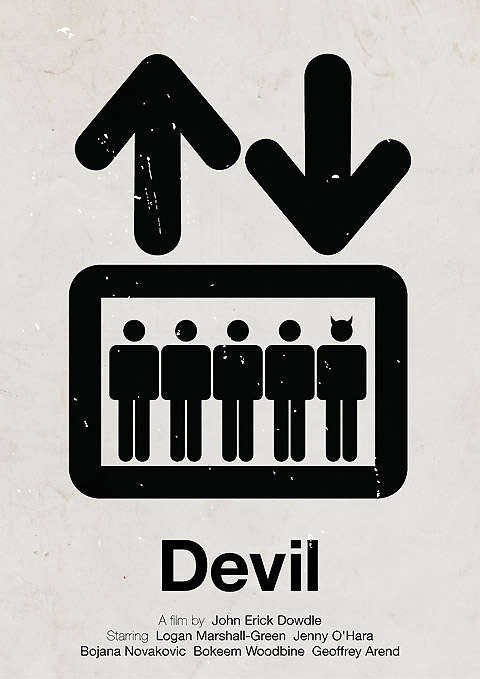
Victor Hertz Creates Fantastic Minimalist Movie Posters
Creating minimalist posters with common bathroom symbols presents a great opportunity to disrupt the traditional movie poster industry and offer a fresh take on movie posters.
The Shiznit's Honest Take on this Summer's Blockbuster Posters
Emphasizing honesty and creative marketing campaigns can help movie studios stand out in a crowded industry.
The Honest Logos Series Sheds Light on Popular Companies
The trend of reworking logos creates new opportunities for graphic designers to showcase their creativity and help brands communicate a more authentic identity.