
Category
Fashion
Crown Care
Trend
Passive Weight Loss: Our society is increasing the search for ways to achieve passive success, from automated income, to weight loss without exertion. The golden ticket is a product, such as weight-loss shoes, which cause the desired results, without the output of any additional energy. Innovations like this are priceless to consumers.
Trend themes
The search for easy, passive ways to lose weight is increasing, leading to innovations such as weight-loss shoes.
Fitness shoes designed to encourage muscle stimulation and calorie burning while walking are gaining in popularity.
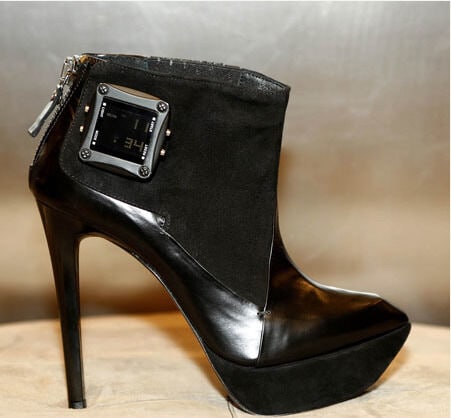
Wearable fitness trackers are becoming more prevalent, even being built into shoes to track step counts and other fitness metrics.
Industry implications
The footwear industry has seen a surge in demand for fitness shoes designed to help people lose weight and tone muscles without additional exertion.
The fitness industry is incorporating new innovations such as wearable fitness trackers and footwear designed to encourage muscle stimulation and calorie burning.
The wearable technology industry is now extending into footwear, with shoes being designed to track fitness metrics and provide other health benefits.
Trend signals
Trend score 5.5 out of 10, from popularity 84%, activity 72%, freshness 8%.
Evidence
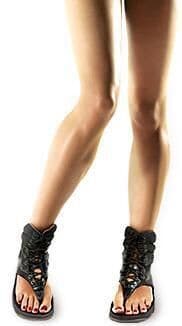
FitFlops
The fitness apparel industry can embrace the trend of toning sandals and incorporate them into their product offerings to provide more options for customers seeking fitness-focuse…
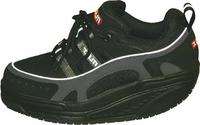
Swiss MBT Shoes
Potential for the footwear industry to capitalize on the demand for shoes that prioritize health and wellness.
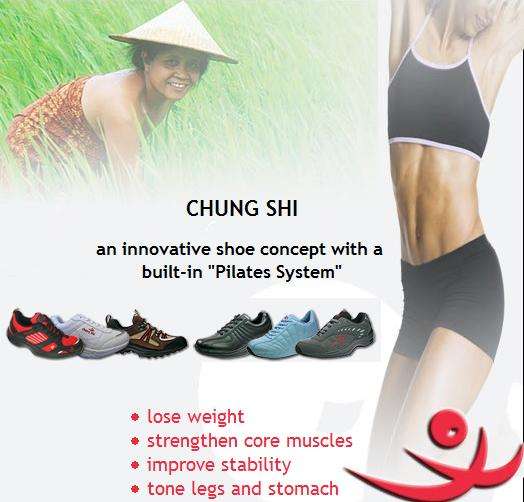
Chung Shi Footwear
The athletic footwear industry could explore incorporating innovative features, such as a built-in Pilates System, to provide enhanced fitness benefits for consumers.
Step Counter Shoes
Shoe designers and manufacturers can collaborate with fitness technology companies to create stylish, yet functional footwear for health-conscious consumers.