
Category
Eco
Power Modularity
Brands are catering to younger demographics via niche gardening concepts.
Trend
Kid-Friendly Cultivation: Companies are beginning to hone in on the significance of gardening among young consumers. Learning about agriculture from an early age is increasingly relevant, especially given modern shifts in food geared towards organic, local produce. Introducing this concept at a younger age also allows brands to capitalize on young customers with growing buying power.
Trend themes
As parents grow more conscious of health and nutrition, children are becoming exposed to their values from a young age, making kid-friendly gardening kits both fun and sustainable.
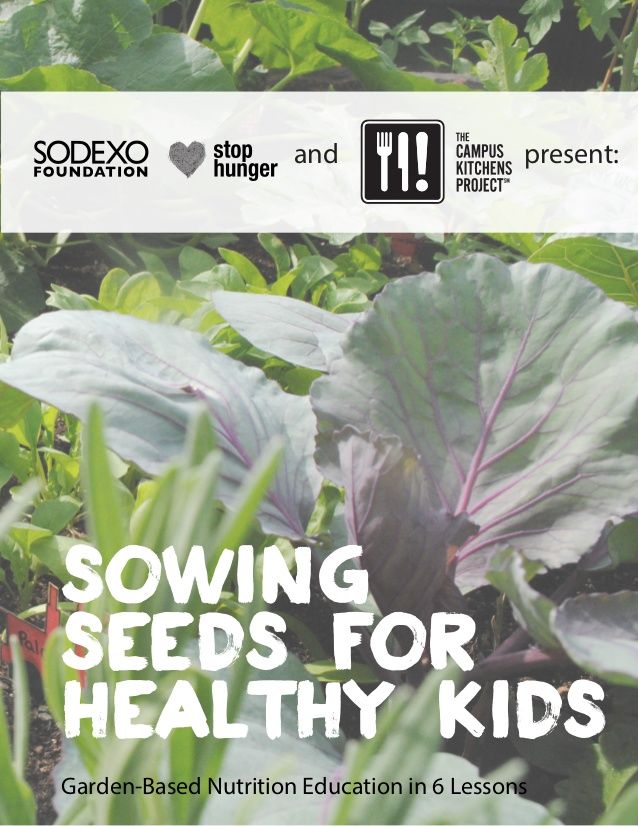
Food-focused education programs that empower kids to make a difference in their own communities, like Sowing Seeds for Healthy Kids, will become invaluable for preparing the next generation to make healthy choices.
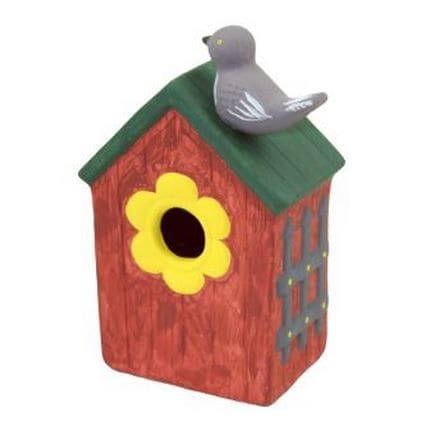
Marketing strategies like Hobbycraft's birdhouse design kit educate children while encouraging creativity in DIY crafts and art activity kits.
Industry implications
The significance of gardening among young consumers is increasingly relevant, especially given modern shifts in food geared towards organic, local produce.
Education programs like Sowing Seeds for Healthy Kids and The Campus Kitchen organization are using gardens and food waste to educate and empower young student volunteers to apply what they learn to make a difference in their own households and communities.
As DIY crafts and art activity kits become less of a hobby and more of a marketing strategy, companies are creating do-it-yourself design kits that educate children while encouraging creativity.
Workshop question
Trend signals
Trend score 4.0 out of 10, from popularity 59%, activity 51%, freshness 8%.
Evidence
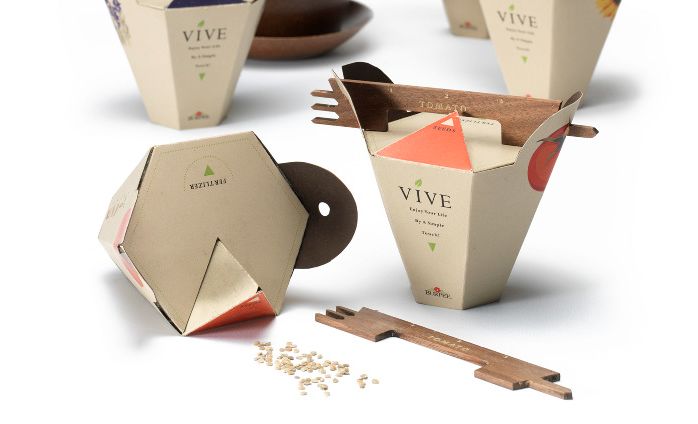
The Vive Planting Set Prepares Kids for Easily Growing Greenery in Their Backyards
Opportunity for toy companies to create eco garden kits as educational and engaging toys for children.
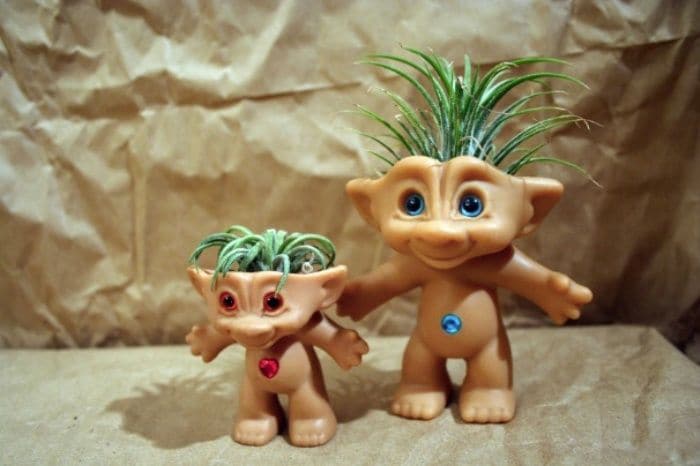
Treasure Troll Air Plant Pots is a Childhood Remix
Disruptive innovation opportunity to introduce a line of playful and nostalgic planters that add character to home interiors.
Hobbycraft's Craft Set Lets Paint Their Own Bird Box
Retailers in the craft and hobby industry can capitalize on the growing demand for DIY craft kits by offering a variety of options for consumers to choose from.
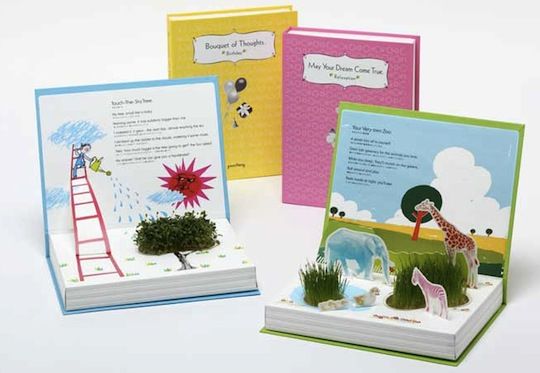
The Green Story Collection Features Literal Pop-Up Shrubs
The Green Story collection introduces a unique and interactive element to children's books, creating new opportunities for innovation and engaging young readers.
The Campus Kitchen Uses Gardens to Educate Kids on Food Waste and Hunger
Food service companies can invest in community gardens and educate children about healthy eating as a way to provide locally sourced produce while promoting nutrition and environm…
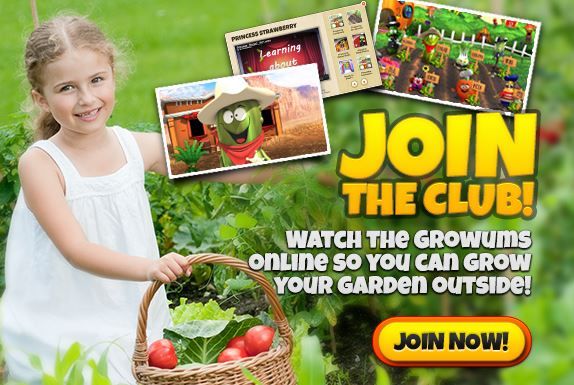
Growums Teaches Kids to Grow Their Own Herbs and Vegetables
E-retailers can create gardening kits designed specifically for children, which could be a new revenue stream.
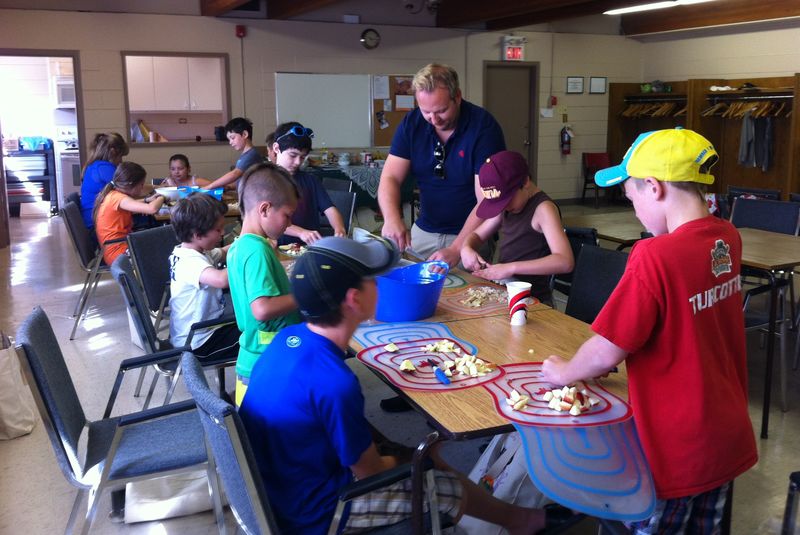
This Agape Centre Program Has Kids Cooking with Food They Harvested
There is a need for companies that develop educational programs to focus on food literacy education as it becomes a more significant factor in healthy living.