
Category
Lifestyle
Baseline Support
Innovations in tech help to better understand individuals with autism.

What's Happening
Interactive Accessibility: Tech focused on accessibility for those with disabilities is now creating gadgets that either replicate how people with autism experience sensory stimulation, or that aid in their ability to speak to others. Both of these tools serve to enhance communication between people with autism, and those without it – either through increasing empathy, or through accelerating skills. This emerging shift contributes to a new system in which it is not simply those with autism having to adapt to a world that isn't built for them – since those without the developmental disorder are now able to better understand those who have it.
Evidence
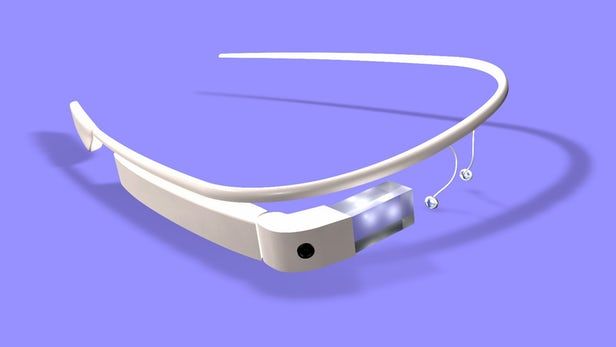
This App Uses Google Glass to Help Children With Autism Communicate
Developing and implementing augmented reality apps and platforms to support special education and communication for children with autism.
The Safety Aware App Helps Autistic Children Become Independent
The educational technology industry can benefit from developing innovative solutions and apps tailored for autistic children's educational needs.
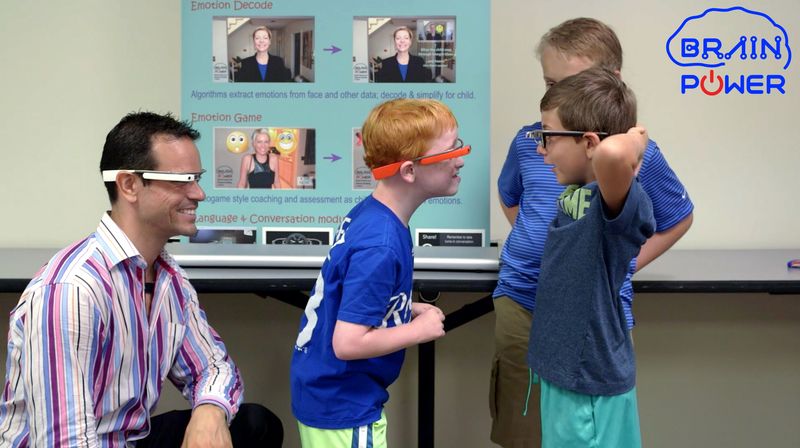
The Brain Power Autism System Has Gamified Life Skills Training
Developing innovative technology solutions for autism therapy and education.
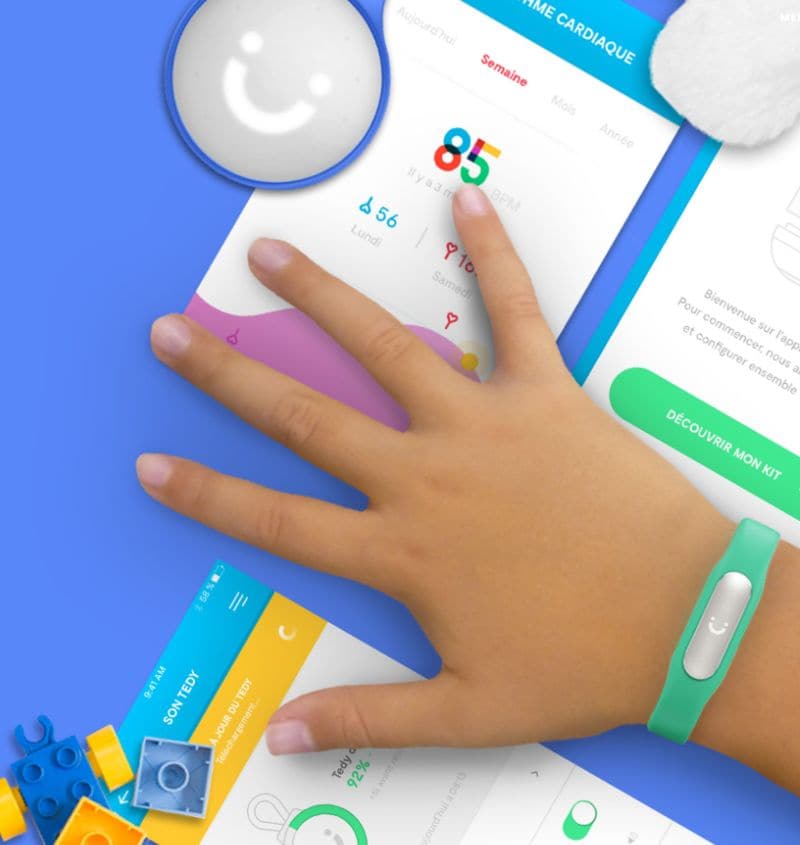
'Tedy' is a Connected Bracelet That Helps Children with Autism
There is a disruptive innovation opportunity in HealthTech to create more wearables and apps that monitor and track mental health conditions, such as anxiety disorders, to provide…
This Video Gives Viewers Insight On The Reactions Of Autistic Kids
There is a disruptive innovation opportunity in the virtual reality industry to create educational and empathy-building experiences focused on autism and sensory overload.
Workshop question
How can your brand adopt cross-industry developments that enhance accessibility?
Trend signals
Trend score 4.3 out of 10, from popularity 58%, activity 62%, freshness 8%.
Trend themes
Develop gadgets that replicate how people with autism experience sensory stimulation.
Explore the use of augmented apps to help people with various disabilities.
Gamify the teaching of practical life skills through immersive and entertaining devices.
Industry implications
Develop wearable technology to help individuals with autism manage daily tasks and overcome challenges.
Mobile app development for autism education and assistive technology.
Virtual and augmented reality for sensory simulation and immersive life skills training.