
Category
Art & Design
Sensory Packaging
Free public and online 3D printing courses reduce barrier-to-entry for hobbyists.

Trend
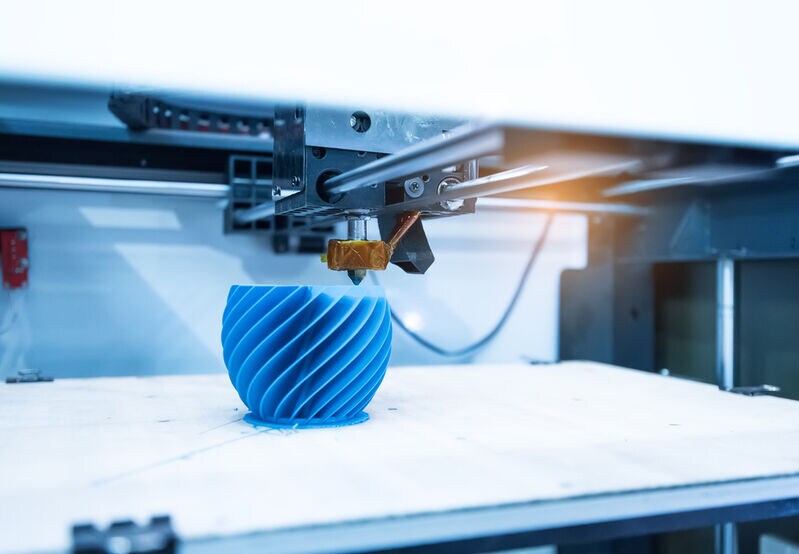
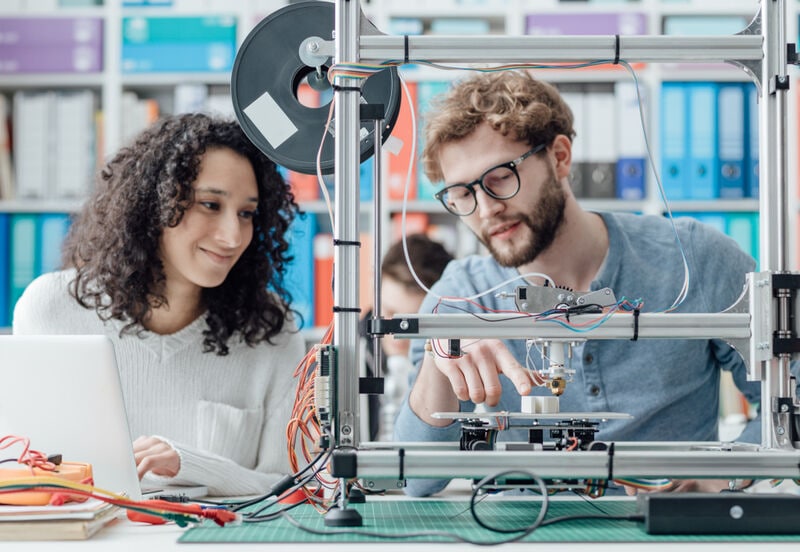
Hobbyist Printing: Low-cost or free 3D printing courses are being hosted by libraries, universities, and independent websites. These courses lower the barriers of cost and education for 3D printer use to draw more adults to the field, whether as a creative outlet or for CAD (Computer-Assisted Design)-related jobs.
Insight
While many individuals find a balance between work and personal lives, such as hobbies and social connections, others find themselves unfulfilled, either in the workplace or in keeping occupied. This leads to these groups searching for new avenues for enjoyment, such as new employment or a new hobby. As a result of these combined desires, hobbies with the potential to generate income are preferred. Fields that reduce the barriers via free and public services can draw in these individuals.
Trend themes
Low-cost or free 3D printing courses are being hosted by libraries, universities, and independent websites, lowering the barriers of cost and education for 3D printer use.
Online learning platforms like Coursera offer 3D printing courses from top universities, making it easy for adult hobbyists to find and enroll in courses that match their interests and goals.
Online platforms like Printlab provide 3D printing courses, projects, and challenges, promoting creativity and innovation by teaching users how to use 3D design and printing skills to make unique products.
Industry implications
The education industry can benefit from offering low-cost or free 3D printing courses, attracting individuals looking to gain new skills and knowledge.
The e-commerce industry can tap into the market of 3D printing hobbyists by providing platforms for selling 3D-printed models, offering 3D printing services, or selling related products and accessories.
The manufacturing industry can explore the disruptive opportunities offered by 3D printing technology, such as prototyping and customized production, to improve efficiency and flexibility in the production process.
Workshop question
Trend signals
Trend score 5.6 out of 10, from popularity 80%, activity 66%, freshness 21%.
Evidence
Coursera Partnered with Illinois on an Online 3D Printing Course
Coursera's partnership with the University of Illinois on a 3D printing course showcases the demand for specialized online courses in the field of additive manufacturing.
ASU Offers a 3D Printing Course for Adults to Learn the Basics
The engineering industry can benefit from incorporating 3D printing technology for prototyping, enabling faster development and testing of product designs.
'Printlab' Focuses on Providing 3D Printing Courses and Challenges
Printlab's online platform and resources cater to educators, paving the way for the integration of 3D printing in educational institutions and the development of new curriculum.
'Udemy' Offers Engaging Online Courses on 3D Printing
Udemy's offering of comprehensive online courses on 3D printing taps into the e-learning industry, providing disruptive innovation opportunities for educational platforms.