
Category
Business
Visit Magnet
More independence via mobile and automated payments.


What's Happening
Payment Progression: Credit card payments are bringing increased independence to consumers as monetary transactions become more automated. Digital shopping has evolved from PayPal to mobile phone apps that allow even more flexibility for impulse shoppers. Personal credit card readers may not be far from becoming mainstream.
Evidence
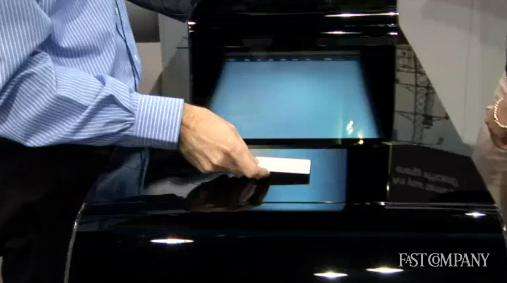
Touchscreen Cash Registers Make Upselling a Breeze
Retailers can leverage touchscreen cash registers and virtual mannequins to create more engaging shopping experiences and increase sales.
Spain's Baja Beach Club Implants Its A-Listers With Bar Codes
Hotels and resorts can explore the use of RFID implant technology to enhance guest experiences with seamless access and cashless transactions.
The SmartSwipe Revolutionizes Online Shopping
Personal credit card readers have the potential to disrupt the e-commerce industry, as they could lead to the elimination of transaction fees for merchants.
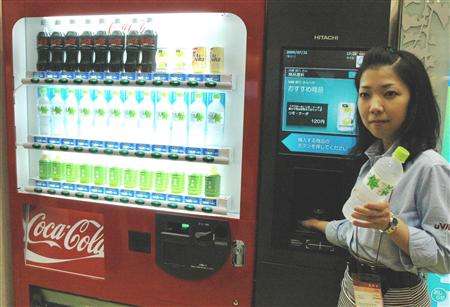
Hitachi Biometric Vending Machine Requires Customers to Give It the Finger
Biometric authentication and cashless payment options offer vending machine companies an opportunity to offer more convenience and security to customers.
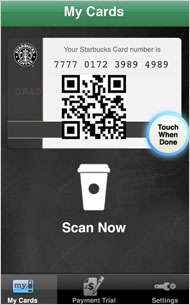
Pay for Your Next Starbucks Drink on Your iPhone
Mobile payment and ordering systems have already disrupted this sector and more innovative solutions in the near future are expected.
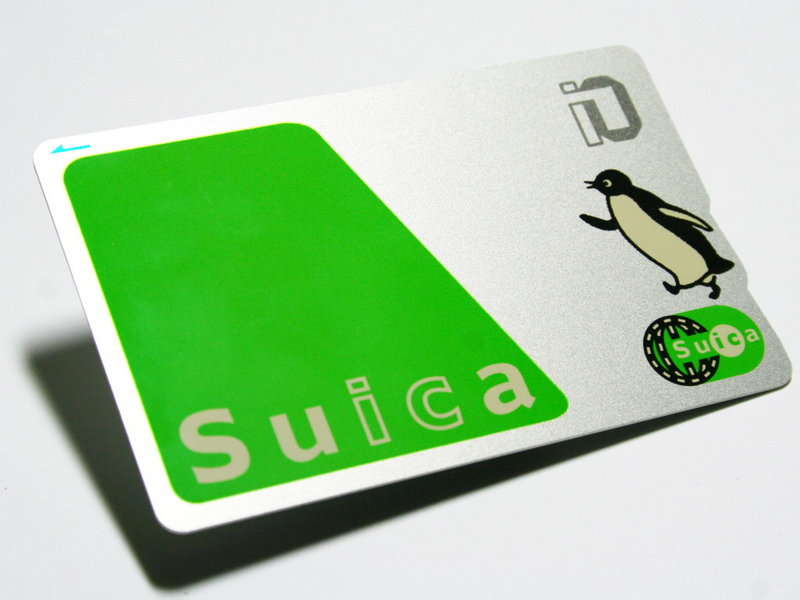
Majority of Tokyo Residents Use Electronic Cash
Companies in the fintech industry can capitalize on the rising adoption of cashless payment cards and offer innovative payment solutions
Trend themes
As consumers grow more comfortable with automated monetary transactions, mobile payment methods are becoming more popular.
Advancements in touchscreens and AI technologies are enabling personalized recommendations without the need for pushy sales associates.
Technology that allows for secure, contactless payment methods, such as using fingerprints or vein scans, is on the rise.
Industry implications
The rise of mobile and automated payment methods presents an opportunity for financial services companies to offer innovative solutions for their customers.
Advancements in technology, such as personalized touchscreens, offer retailers opportunities to improve their customers' experiences and streamline sales processes.
The development and adoption of biometric authentication technologies presents an opportunity for tech companies to innovate for security and convenience purposes.
Trend signals
Trend score 3.2 out of 10, from popularity 60%, activity 29%, freshness 8%.