

Category
Lifestyle
Baseline Support
Schooling children and teens becomes more flexible in various ways.



What's Happening
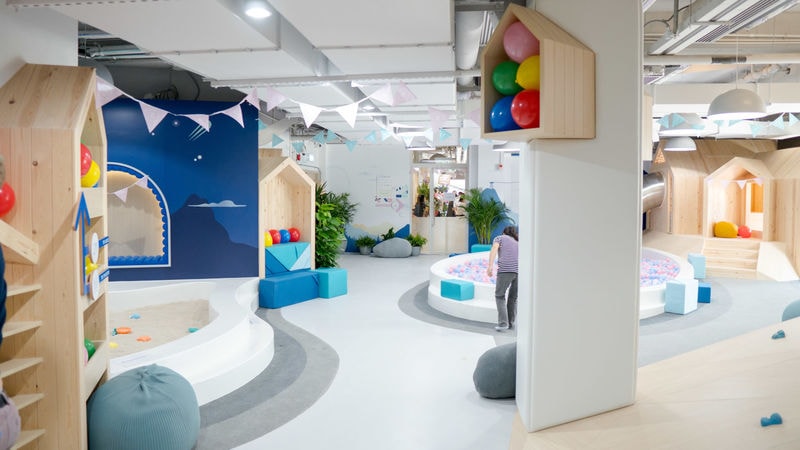
Flexible Teaching: Though innovations in school systems around the world still tend to be slow to change, brands are aiming to accommodate the needs of students in ways that combine creativity and flexibility. Whether appearing in the form of "co-learning" spaces or as gamified studying tech, such innovations come in response to research that suggests that education should be personalized, diverse and open-minded in order for it to be most effective.
Evidence
'Campfire Campus' Sets Itself Apart as Asia’s First Co-Learning Space
Co-learning spaces create innovation opportunities for co-working space operators looking to expand their offerings beyond traditional shared offices.
Apple's Education App for Teachers Will Digitally Shift the Classroom
The education technology industry has an opportunity for disruptive innovation by developing cloud-based collaboration tools and digital classroom solutions like Apple's 'Schoolwo…
Agree Online Helps Children with Online Conflict Resolution
Agree Online is an educational program that leverages technology to teach online conflict resolution and digital citizenship.
AnkiSnap is a Smartphone-Connected Pen That Makes Studying Games
AnkiSnap is a disruptive innovation opportunity in the education technology industry, revolutionizing the way students study and interact with their textbooks.
Workshop question
Conceptualize a more creative way to present your product/service to consumers.
Trend signals
Trend score 3.4 out of 10, from popularity 51%, activity 43%, freshness 8%.
Trend themes
Innovations in education are moving towards more personalized and diverse approaches.
Gamification is becoming increasingly popular as a means to engage students in the learning process.
New co-learning spaces are emerging that combine work, education and childcare in one facility.
Industry implications
The education technology industry is primed for disruption and investment opportunities as personalized, gamified and tech-enabled learning becomes more prevalent.
The childcare industry is evolving to cater to the needs of working parents and families with new co-learning and shared education spaces.
Online safety and conflict resolution education programs are on the rise as cyberbullying and digital conflicts become more prevalent issues among children and teens.