



Category
Lifestyle
Assisted Choices
New building designs consider the environmental cost from start to end-of-life.
Trend
Embodied Carbon: Brands in construction are now taking steps to accurately understand the building's environmental impact through an "embodied carbon" lens. Embodied carbon refers to the total carbon footprint of the materials used throughout the supply chain–from extraction and manufacturing through to the landfill or recycling plant.
Insight
In the wake of climate change, information has emerged about the detrimental environmental impacts of various production and consumption methods. Brands are no longer doing enough by simply taking a product's production into consideration but must consider its end-of-life cycle. Conscious consumers are now demanding brands identify these blind spots in production to help tackle climate change.
Trend themes
Emphasis is now placed on developing innovative tools for assessing a product's embodied carbon emissions throughout its life cycle to tackle climate change.
Brands are exploring ways to create circular building materials that can be reused or recycled to minimize embodied carbon emissions and reduce waste.
Green building policies that require the use of low-embodied carbon materials and support whole life-cycle carbon assessment are becoming a trend that is gaining traction.
Industry implications
The construction industry can leverage new technologies and materials to reduce embodied carbon emissions and promote sustainability.
Architects and designers can incorporate sustainable building practices and materials in their designs to minimize embodied carbon and create a positive environmental impact.
Software developers and tech companies have an opportunity to create innovative tools and apps that can calculate, compare, and minimize embodied carbon emissions in building and construction.
Workshop question
Trend signals
Trend score 3.0 out of 10, from popularity 44%, activity 37%, freshness 10%.
Evidence
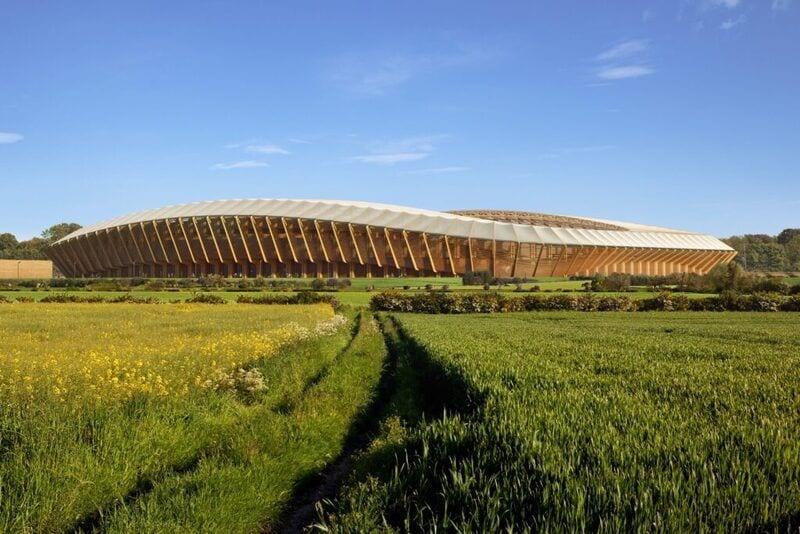
The Forest Green Rovers Eco Park stadium is Crafted from Wood
The construction industry can take advantage of ethically sourced wood and other green technologies to reduce carbon emissions and promote more sustainable building practices.
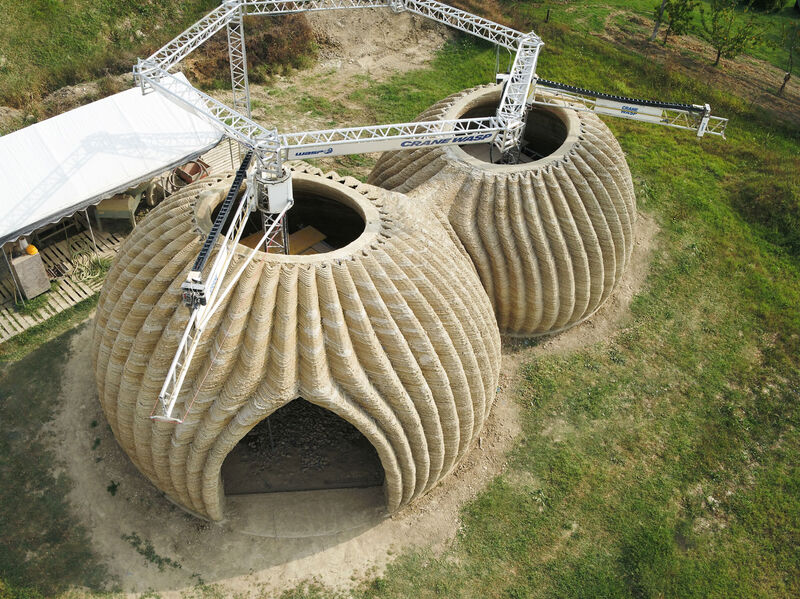
WASP Debuts TECLA, a New Circular Model of Housing
The construction industry can adopt new techniques and materials to create sustainable, 3D-printed homes like the WASP TECLA, reducing waste and improving end-of-life consideratio…
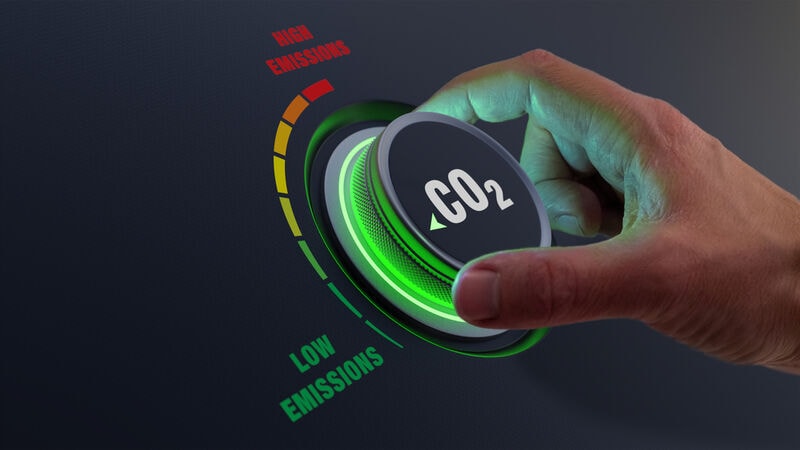
The Structural Carbon Tool Calculates & Compares Embodied Carbon
The construction industry can use open-source embodied carbon apps and rating systems to promote sustainable building practices and reduce environmental impact.
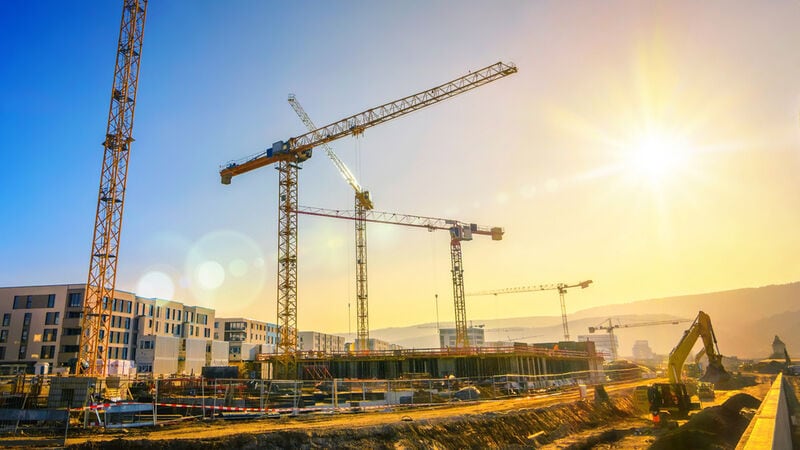
The Decarbonise Construction Campaign Tackles Construction Emissions
The construction industry can benefit from implementing embodied carbon tracking and other carbon-reducing measures that can save them significant costs and prevent unnecessary wa…






