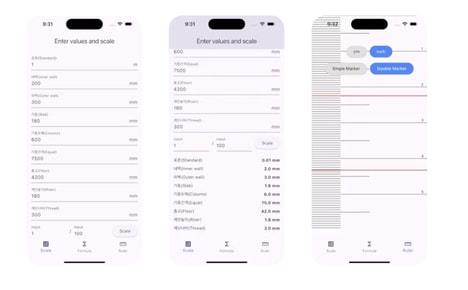
As more information comes to light about the importance of understanding the embodied carbon of a building (in short, all the CO2 emitted in producing and disposing building materials), a new open-sourcd app has emerged to support the industry, called the Structural Carbon Tool.
The free app was designed to "enables users to quickly estimate the embodied carbon in their structure and allows comparison of up to six options at once." The Structural Carbon Tool leverages IStructE’s "How to calculate embodied carbon" publication and is aligned with the Structural Carbon Rating System (SCORS) proposed in 2020 by the Institution’s Climate Emergency Task Group and includes the London Energy Transformation Initiative and Royal Institute of British Architects benchmarks.
Image Credit: Shutterstock
What Makes This Trend Stand Out
- Open-source Carbon Calculators
- The availability of open-source carbon calculators will increase, making it easier and more affordable for individuals and organizations to measure their environmental impact.
- Embodied Carbon Awareness
- The growing awareness of embodied carbon in buildings highlights the need for innovation in sustainable construction practices and materials.
- Structural Carbon Rating Systems
- Adopting structural carbon rating systems like SCORS can help drive industry standards for more sustainable construction practices.
Sectors Adopting This
- Construction
- The construction industry can use open-source embodied carbon apps and rating systems to promote sustainable building practices and reduce environmental impact.
- Architecture
- Architects and designers can leverage open-source embodied carbon calculators to make informed decisions about construction materials and methods.
- Technology
- Technology companies can develop and provide open-source embodied carbon calculators and tools for the construction industry to create competitive advantage and contribute to sustainable practices.