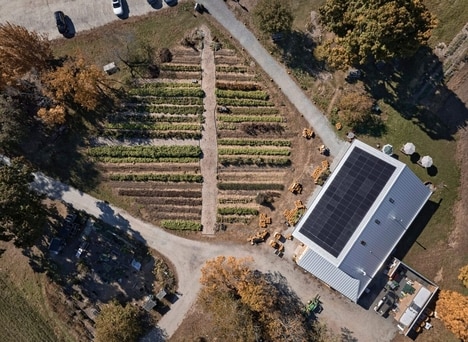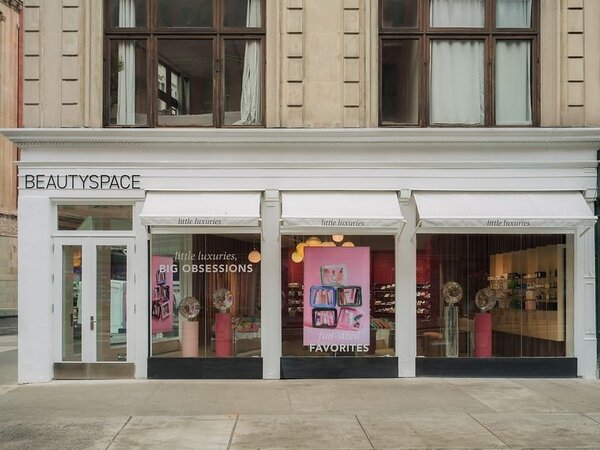
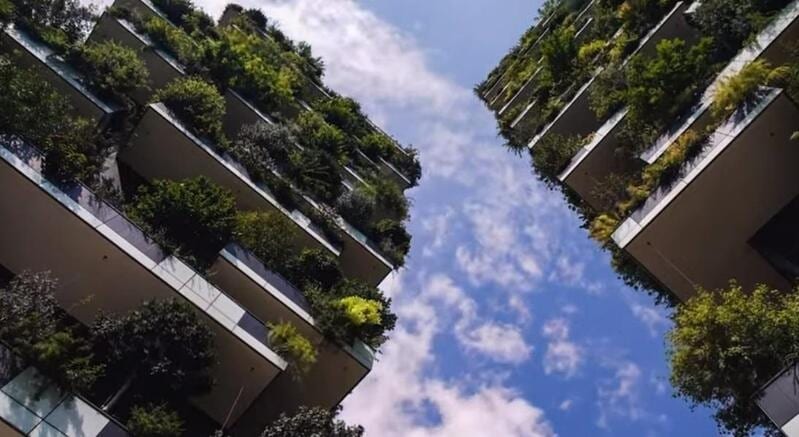
The U.S. Green Building Council (USGBC) has officially unveiled LEED v5, the latest evolution of its renowned Leadership in Energy and Environmental Design (LEED) certification system—marking a significant leap forward in sustainable building standards. Developed through extensive collaboration with thousands of industry professionals, LEED v5 sets a bold new benchmark by placing a heightened emphasis on decarbonization, which now accounts for 50% of the total points required for certification.
This next-generation framework aims to accelerate the transition to ultra-low-carbon buildings by addressing emissions across the entire lifecycle—from day-to-day operations and embodied carbon in materials to refrigerant use and transportation impacts. LEED v5 also takes a holistic approach to sustainability, integrating criteria that advance human health, community well-being, and ecological resilience.
Image Credit: LEED v5
Why This Trend Is Growing
- Decarbonization Emphasis
- With decarbonization now accounting for half of the LEED certification points, there is a strong incentive for buildings to adopt new technologies and practices that significantly reduce carbon emissions.
- Lifecycle Emission Management
- Addressing emissions throughout a building's entire lifecycle, from materials to transportation impacts, opens pathways for innovation in reducing carbon footprints at every stage of construction and operation.
- Holistic Sustainability Criteria
- The integration of criteria that focus on human health, community well-being, and ecological resilience presents opportunities for innovations that align building practices with broader sustainability goals.
Industries Being Reshaped
- Green Building
- The introduction of LEED v5 sets new standards for the green building industry, encouraging innovations that prioritize decarbonization and integrate holistic sustainability elements.
- Construction Materials
- Innovating in construction materials that lower embodied carbon becomes crucial, as the industry faces increasing demands to meet stricter certification requirements focused on lifecycle emissions.
- Refrigeration and HVAC
- As LEED v5 incorporates refrigerant use in its criteria, the HVAC industry sees a growing need for disruptive innovations that minimize environmental impacts while maintaining energy efficiency.