



Category
Lifestyle
Assisted Choices
Meal kit brands are prioritizing eco-friendly packaging and/or production.
Trend
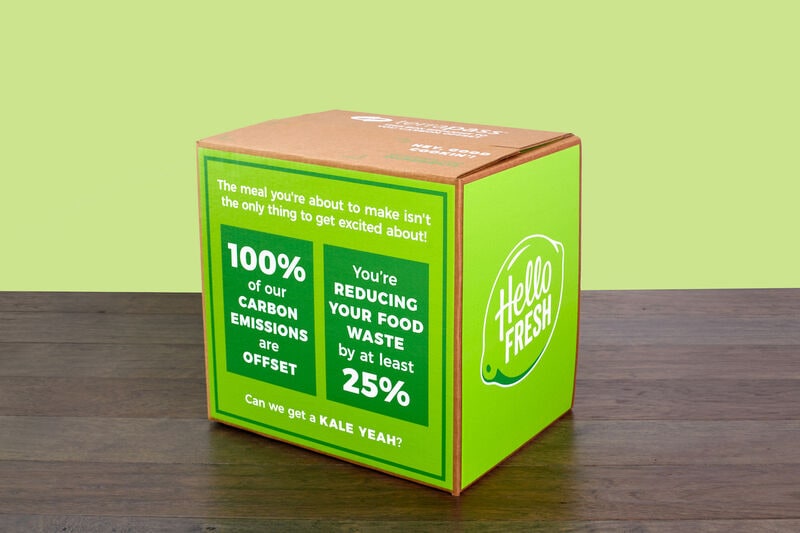
Eco Kit: The growing popularity of meal kits has made meal-planning easier for people, but contributes to waste and the release of carbon emissions into the environment. Brands in this space are aiming to reduce their environmental footprint with things like reusable packaging and carbon-offsetting initiatives.
Insight
With most consumers having at least some level of understanding for how the global consumption cycle contributes to environmental waste, harm and climate change, people are feeling increasingly guilty for the purchases they make that contribute to this cycle. Thus, brands that are able to mitigate even some of their impact are becoming more appealing to eco-conscious consumers.
Trend themes
Brands in the meal kit industry are prioritizing eco-friendly packaging and/or production methods, with a focus on initiatives including reusable packaging and carbon offsetting.
Meal kit delivery services are innovating to minimize packaging waste and reduce plastic by introducing zero-waste meal kits that use reusable containers.
Food kit suppliers are introducing climate-friendly food labeling initiatives to help consumers choose environmentally sustainable options.
Industry implications
Subscription-based meal kit brands can explore eco-friendly packaging and production methods to appeal to eco-conscious consumers and minimize environmental impact.
Meal kit delivery services can adopt zero-waste initiatives and introduce reusable containers to reduce plastic waste and carbon emissions.
Food kit suppliers can introduce climate-friendly food labeling initiatives and focus on eco-friendly production and packaging to minimize environmental impact and appeal to consumers seeking sustainable options.
Workshop question
Trend signals
Trend score 5.1 out of 10, from popularity 71%, activity 70%, freshness 11%.
Evidence
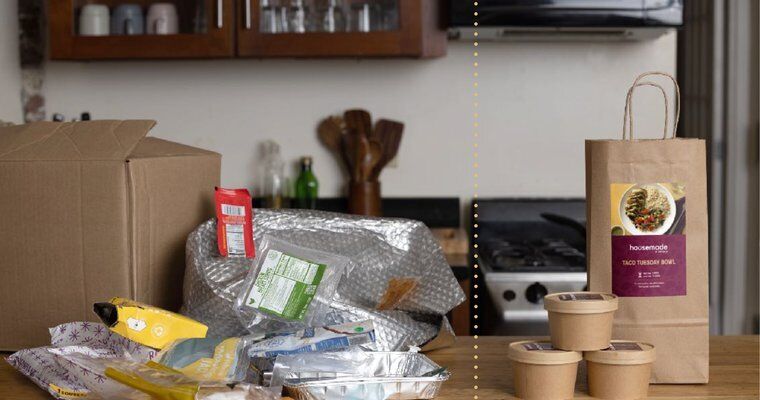
Housemade Offers Subscription-Free Meal Kits That Require No Prep
Existing meal kit companies can differentiate themselves by prioritizing eco-friendly materials and offering subscription-free models or prepared kits.
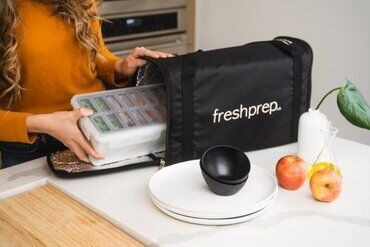
Fresh Prep's Zero Waste Kit is Packaged in a Reusable Container
Meal kit delivery services can tap into consumers' growing demand for sustainable and zero-waste products, offering innovative solutions like reusable containers.
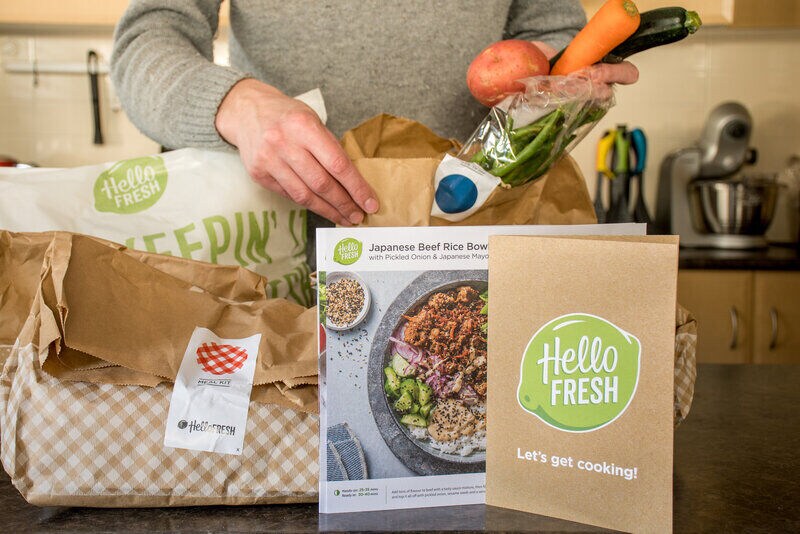
Hellofresh Launched a New Labeling Initiative Named 'Climate Hero'
Food delivery companies can explore implementing climate-friendly labeling initiatives and prioritizing sustainable practices in their supply chain and packaging.
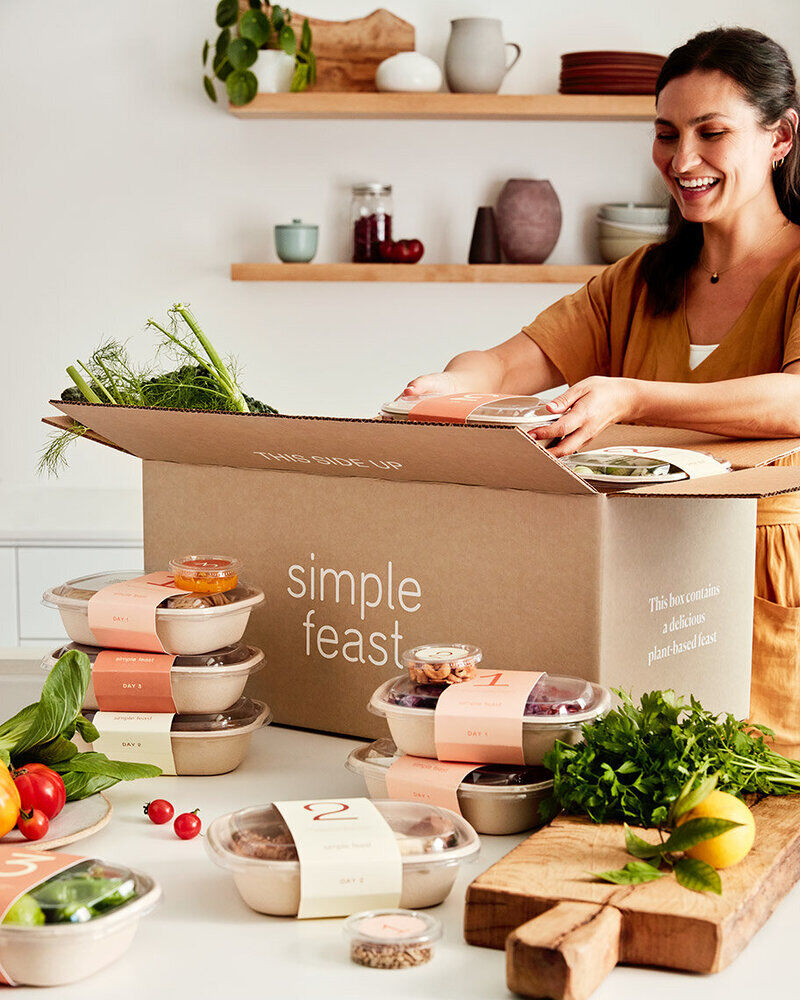
Simple Feast Delivers Plant-Based Meal Kits in Sustainable Packaging
Meal kit delivery companies can innovate by finding ways to reduce plastic waste and use more sustainable materials in packaging and insulation.
HelloFresh is Working with Terrapass to Reduce Environmental Impact
Meal kit delivery companies can adopt carbon-offsetting initiatives to reduce their carbon footprint and attract environmentally-conscious customers.






