Category
Fashion
Scaled Restraint
Customizing online expression, users blog about specific daily routines.
Trend
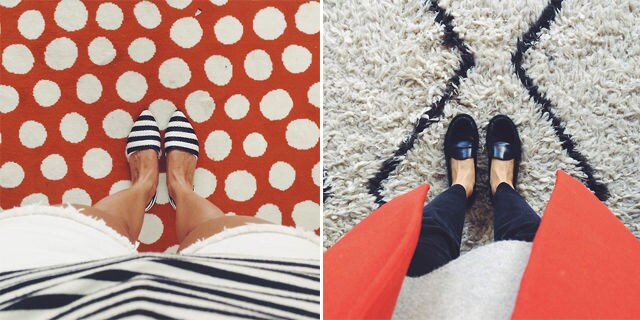
Conventional Blogging: Moving beyond the allure of travel and adventure, bloggers are documenting more mundane, everyday elements for mass appeal. Photographing traditionally lackluster features like shoes and mall mannequins, online users are able to express their unique style and humor in a more nuanced manner. Such down-to-earth tactics reflects a shift toward more personal, yet easygoing sources of digital expression.
Trend themes
Blogging has evolved from mass appeal to documenting mundane, everyday elements for personal expression.
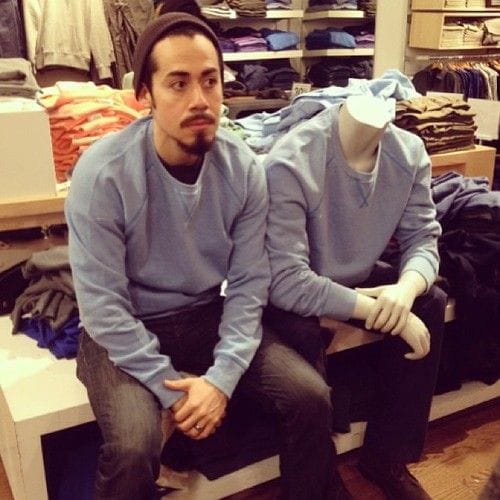
Photoblogs that showcase humor, matching, and outfit coordination by capturing photos of people dressed like dummies or mannequins.
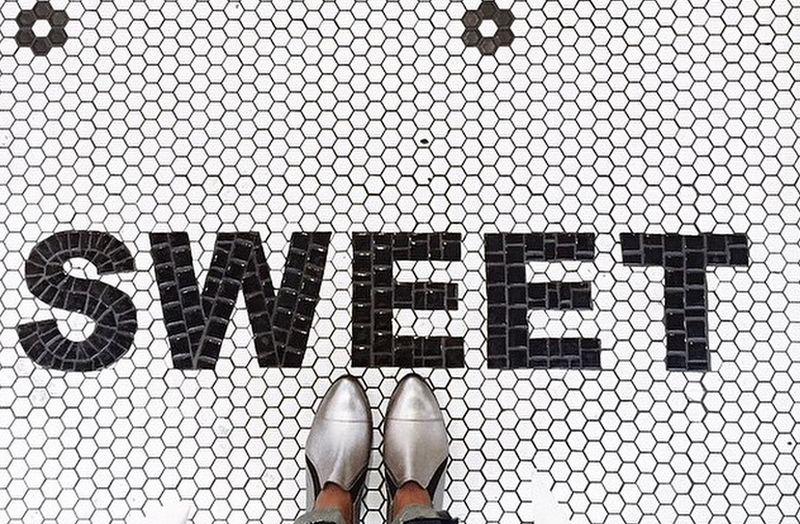
Photoblogs that encourage people to take a fresh perspective by looking down and showcasing artsy flooring or footwear.
Industry implications
Platforms like Instagram and Tumblr have created a space for personalized blogging and photoblogs.
Blogs and photoblogs have changed the way people perceive and consume fashion, influencing marketing strategies.
Changing perspectives and details like flooring and objects have led to innovative photo series and new visual themes.
Trend signals
Trend score 4.9 out of 10, from popularity 73%, activity 67%, freshness 8%.
Evidence
Steve Venegas Captures Himself in the Same Outfit as Mannequins
The fashion retail industry can leverage outfit-matching blogs to inspire customers, promote specific outfits, and drive sales.
The 'I Have This Thing With Floors' Instagram Inspires to Look Down
The industry of designing and creating aesthetically pleasing and functional spaces, which can leverage floor photography for inspiration.
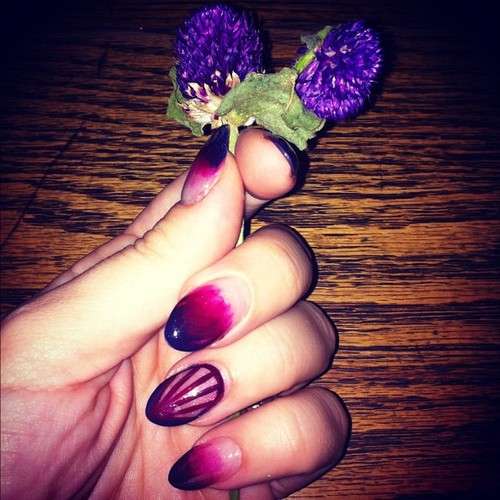
Christina Rinaldi's Prima Creative Tumblr Features Funky Designs
Beauty salons can capitalize on the growing popularity of nail art by offering more unique and intricate designs.
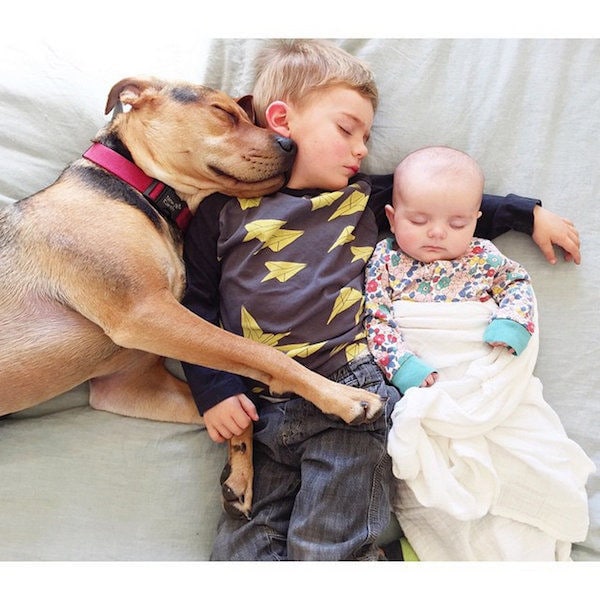
Jessica Shyba Captures Her Children and Dog in Adorable Repose
Opportunity to produce and distribute a visually appealing photo book series.
View from the Topp is an Instagram Account that Focuses on Footwear
Disruptive innovation opportunities in integrating technology, such as 3D printing, into footwear manufacturing processes.