Category
Life-Stages
Constructible Franchises
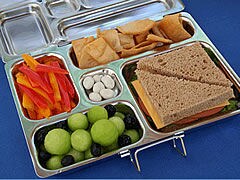
Lunch box designs are sectioned to encourage healthy eating.
Trend
Compartmentalized Nutrition: Nutrition and healthy eating habits have become a paramount concern for parents. In order to prepare healthy meals for children who are away at school, parents are turning to lunch boxes that are compartmentalized. This style not only allows for the easier preparation of balanced meals, it also encourages healthy portion sizes, ultimately promoting well-being.
Trend themes
Partitioned lunch boxes are becoming increasingly popular due to the convenience and promotion of healthy eating habits in both children and adults.
The inclusion of an insulated section in lunch boxes allows for versatility and convenience in meal preparation, by keeping hot and cold foods separate.
Lunch boxes that allow personalization through unique designs and accompanying accessories provide a fun and creative outlet for both children and adults.
Industry implications
Goods used within the kitchen such as containers, plates and utensils.
The food and drink products consumed by children at educational institutions such as schools and day care centers.
The retail of products via digital platforms, whereby new and unique lunch box designs can be easily accessible to potential consumers across the globe.
Trend signals
Trend score 4.1 out of 10, from popularity 62%, activity 55%, freshness 8%.
Evidence
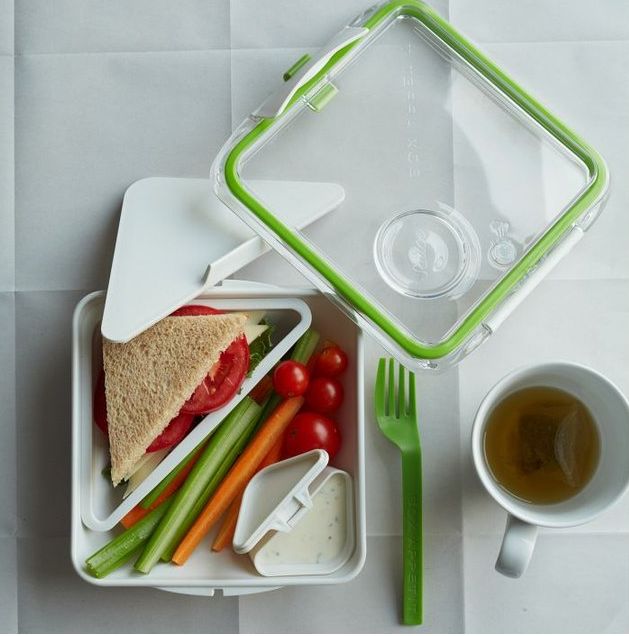
Black + Blum's Bento Box Container Fits Food Essentials
The Household and Kitchenware industry can take advantage of the trend of compartmentalized containers and create various containers that cater to the specific needs of customers.
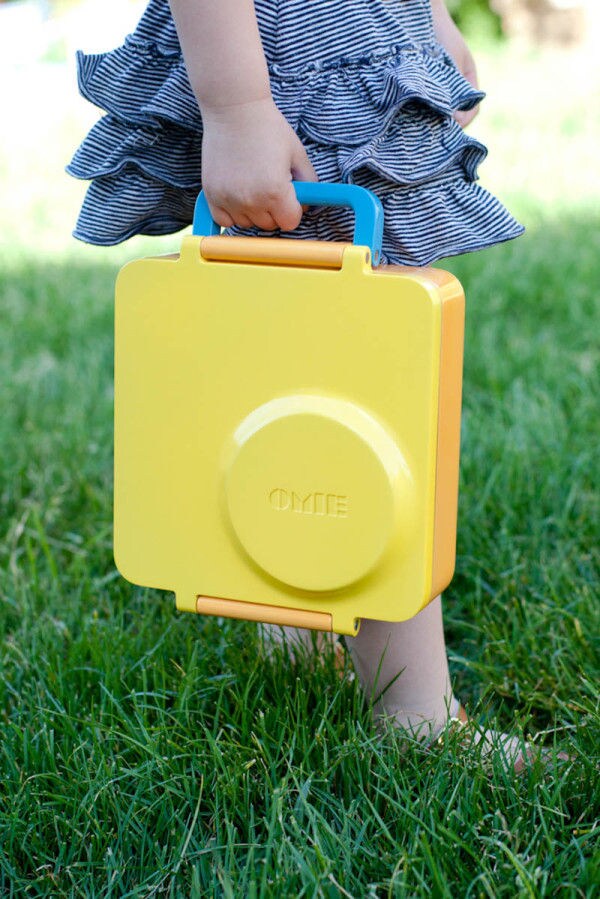
The OmieBox Holds Hot and Cold Food in One Colorful Container
Incorporating technology/materials for insulation and multi-compartmentalization of food in lunch boxes can bring about disruptive innovation opportunities in the food packaging a…
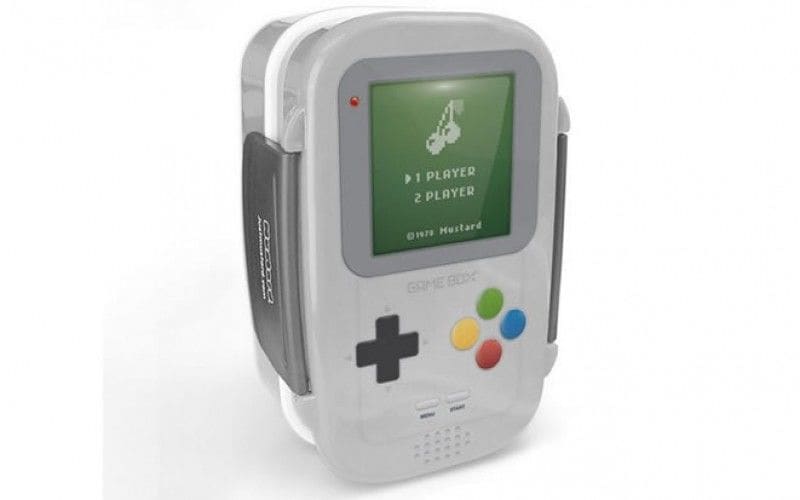
This Bento Lunch Box is the Perfect Geeky Accessory for Back to School
Consumer goods companies can explore partnerships with tech and entertainment brands to create innovative lunch boxes that cater to geeky consumers.
The PlanetBox Lunch Kit Helps Kids Create Personalized Meal Storage
Opportunity to create innovative, eco-friendly and customizable containers for children's lunches