Category
Fashion
Scaled Restraint
Fashion brands find unique ways to use the eco-friendly material.
Trend
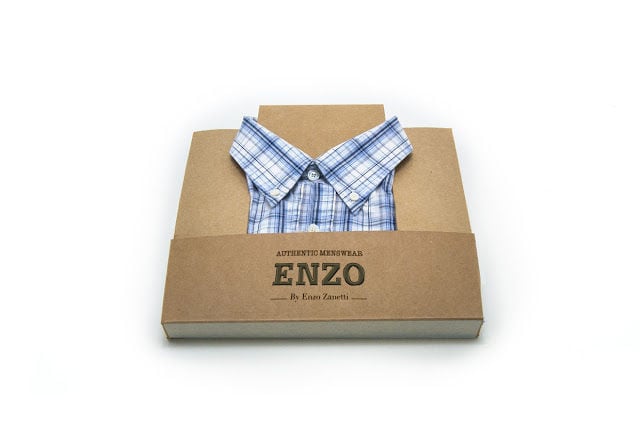
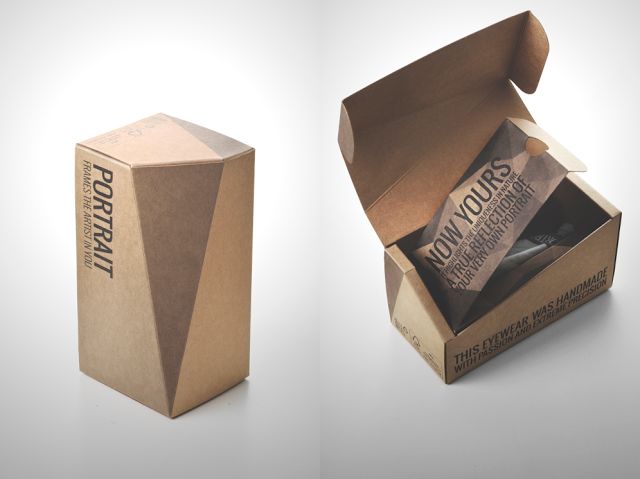
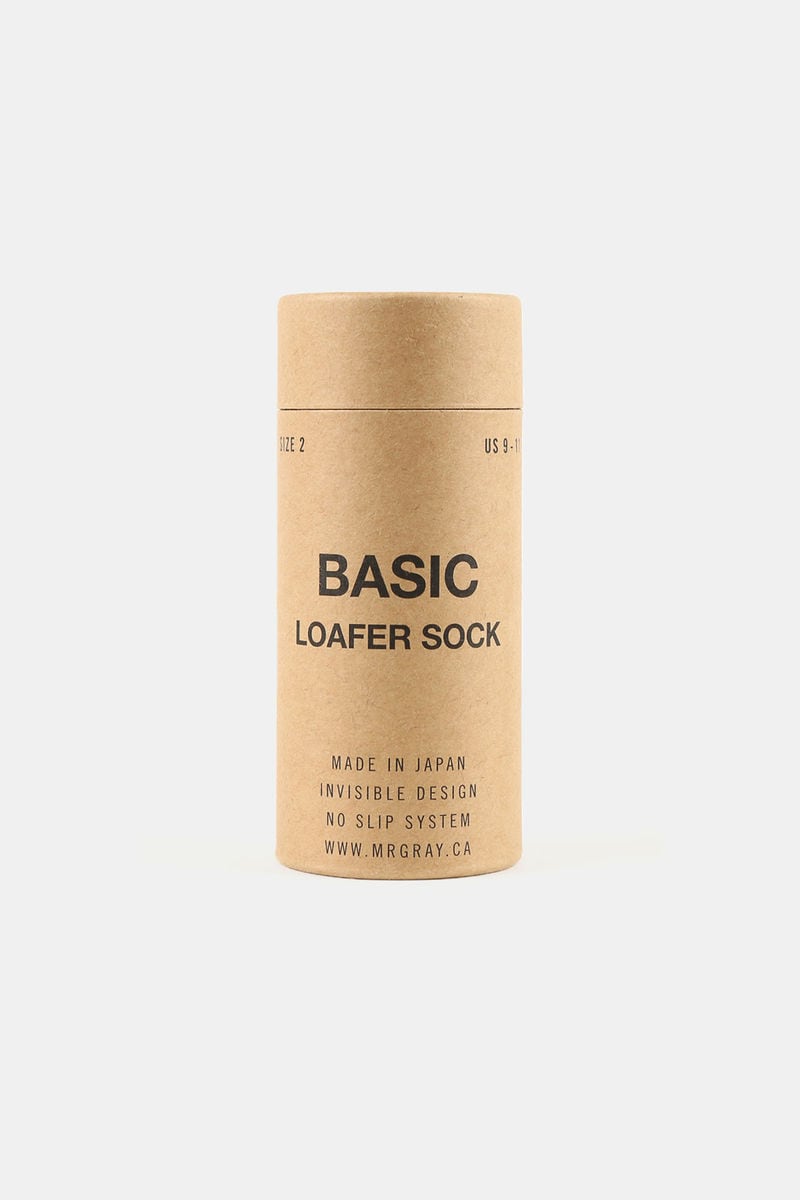
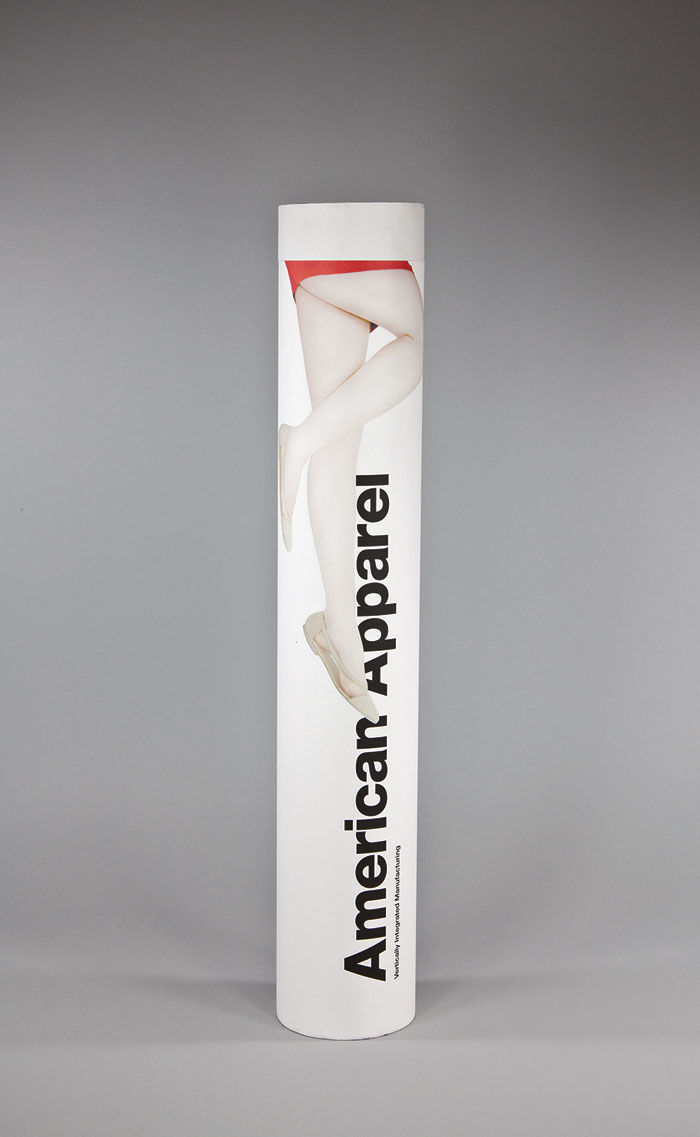
Cardboard Couture: Many fashion brands are taking advantage of cardboard's status as an eco-friendly material by finding unique ways to use it in their packaging. Not only is cardboard immediately obvious for its eco properties; it's also malleable enough for creative packaging solutions. This shift illustrates that brands are able to leave their creative mark, even while continuing to be sustainable.
Trend themes
Fashion brands are using eco-friendly packaging solutions to address the problem of waste in the fashion industry.
Designers are using cardboard as a malleable material to create inventive packaging solutions.
Brands are using simple, streamlined packaging designs that focus on the product and its features, promoting a more minimalistic approach.
Industry implications
Fashion brands are leading the way in sustainable packaging innovation, setting an example for other industries.
The retail industry can benefit from adopting eco-friendly packaging solutions to reduce waste and promote sustainability.
The use of malleable materials like cardboard allows designers to create inventive and sustainable packaging solutions for a variety of industries.
Workshop question
Trend signals
Trend score 5.1 out of 10, from popularity 65%, activity 79%, freshness 8%.
Evidence
This Shirt Packaging Design Changes into a Clothing Hanger
Disruptive packaging innovations that address waste reduction in the fashion industry can be explored and implemented.
Portrait Eyewear's Sunglasses Packaging System Embraces Simplicity
Incorporating innovative and sustainable packaging solutions to enhance the customer experience and elevate the brand image in the fashion industry.
Mr Gray's Packaging Reiterates Its Straightforward Product Features
The ease of worldwide shipping offered by Mr Gray's e-retail business indicates disruptive innovation opportunities in the e-commerce industry.
This American Apparel Packaging Uses Eco-Friendly Materials
Disruptive innovation opportunity: Integrate sustainable and eco-friendly packaging concepts into the fashion retail industry to enhance brand image and appeal to eco-conscious co…