



Category
Lifestyle
Assisted Choices
Architects conceptualize the future of sustainable building.
Trend
Carbon-Negative Architecture: Carbon-negative materials, structures and concepts related to architecture are being thought out and in some cases, created in response to the growing need for architecture that benefits the environment instead of taking away from it.
Insight
As industries look to the future, they're increasingly forecasting that sustainability will be a crucial aspect of their business models. The need for infrastructure, products and services that benefit the environment is growing as climate change worsens, and consumers and institutions alike are putting a greater focus on sustainability.
Trend themes
As industries look to the future, they're increasingly forecasting that sustainability will be a crucial aspect of their business models.
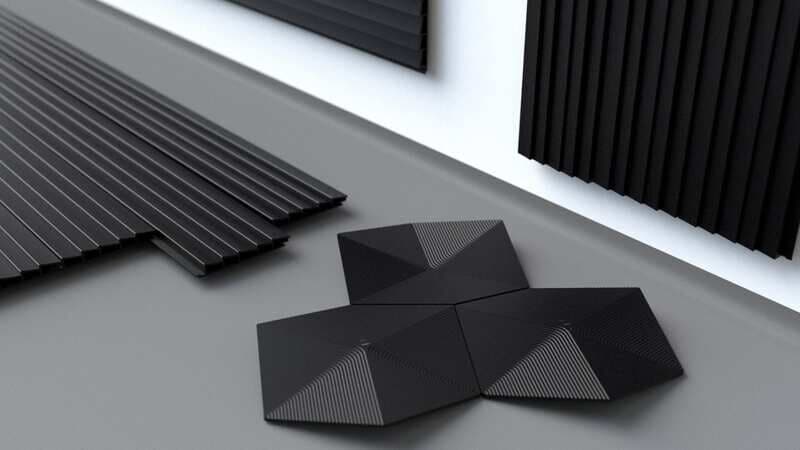
Made of Air's use of the innovative carbon-sequestering quality of biochar creates opportunities for other businesses to explore biobased materials as an alternative to traditional plastics.
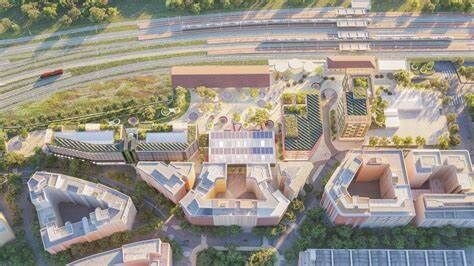
Campo Urbano's low-carbon neighborhood design presents an ideal opportunity for businesses to invest in sustainable urban planning and develop net-zero communities.
Industry implications
Carbon-negative materials, structures, and concepts related to architecture are being created in response to the growing need for architecture that benefits the environment.
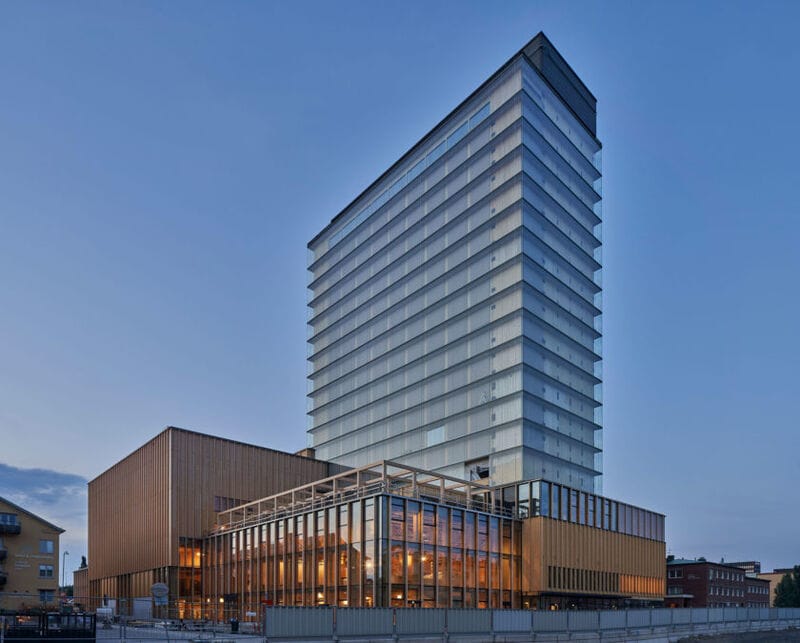
The use of bio-based materials like Made of Air's bioplastic and the avoidance of concrete in White Arkitekter's timber building present innovative opportunities to invest in sustainable materials development.
Net-zero communities like Campo Urbano offer opportunities for businesses to invest in sustainable urban planning and help reduce the impact of carbon emissions on the environment.
Workshop question
Trend signals
Trend score 4.1 out of 10, from popularity 54%, activity 60%, freshness 10%.
Evidence
Made of Air is an Innovative Carbon-Negative Material
By creating carbon-negative bioplastics and utilizing biochar-based materials, the packaging industry can reduce its environmental impact and offer more sustainable solutions for…
White Arkitekter Opened its Sustainable Cultural Center in Sweden
The construction industry can capitalize on the trend of carbon-negative timber buildings by adopting sustainable building practices and exploring new timber-based technologies.
Arney Fender Katsalidis Designed an Eco-Conscious Neighborhood in Rome
The design and construction of zero-carbon neighborhoods like Campo Urbano has the potential to revolutionize the architecture industry.
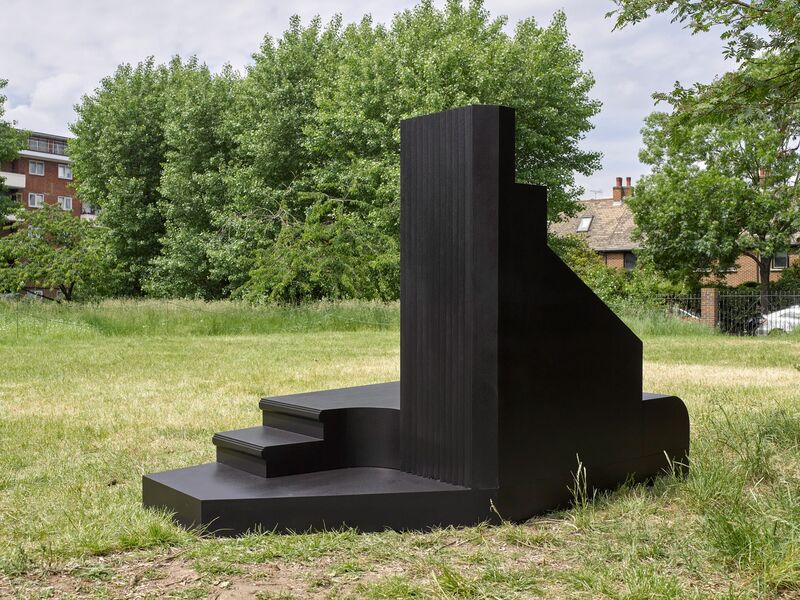
Counterspace Contributed with Sustainable Serpentine Pavilion This Year
The construction industry can capitalize on the trend of designing sustainable, carbon-negative structures to combat climate change.






