



Category
Lifestyle
Assisted Choices
A prompt for convenience sees consumers turn to apps for pleasure.

Trend
App-Connected Intimacy: While apps like Tinder have dominated the market for dating, a shift towards apps and products that aid intimacy in an on-demand fashion are on the rise. The connected consumer is accustom to instant gratification, which is being capitalized on with apps that deliver excitement at any moment.
Trend themes
Apps and products that aid intimacy in an on-demand fashion are on the rise.
Activity trackers and sex toys with Bluetooth are gaining popularity, allowing users to track and share intimate statistics with their partner through smartphone apps.
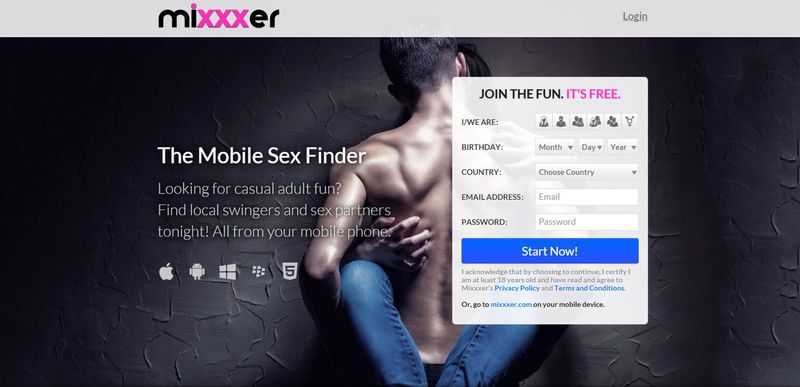
Apps that abandon all pretense and market themselves as strictly for hook-ups and casual sex are gaining user attention.
Industry implications
Manufacturers can develop Bluetooth-enabled sex toys and narrative-focused pleasure devices to provide hands-free and personalized experiences for customers.
Developers can create highly specialized apps like Mixxxer and 3nder to cater to specific user interests with the help of mobile functionality and geolocation features.
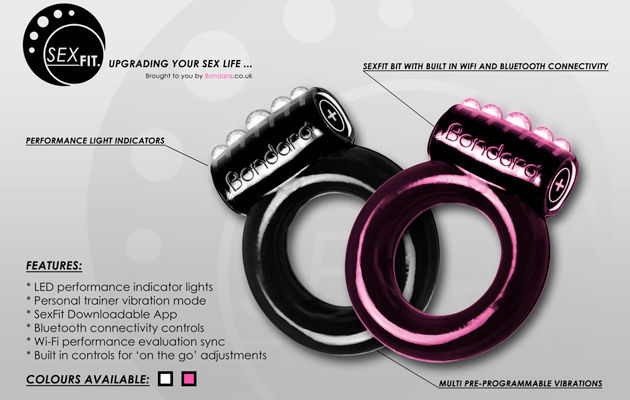
Companies can create intimacy gadgets like the Sexfit by Bondara that track intimate statistics and enhance pleasure with added features like LED lights and vibrations.
Trend signals
Trend score 3.1 out of 10, from popularity 35%, activity 49%, freshness 8%.
Evidence
The Glance App Allows You To Enjoy Dual Experiences Through Video
The adult entertainment industry can capitalize on the rise in digital intimacy apps and offer new and innovative experiences to their consumers.
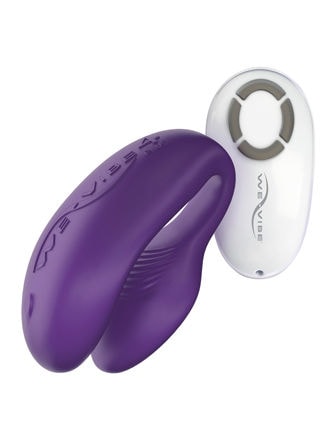
The We-Vibe 4 Plus is an App-Controlled Intimacy Toy
The adult toy manufacturing industry can explore the potential of incorporating app-controlled features and creating toys that provide dual stimulation for enhanced pleasure.
The Mixxxer App Doesn't Beat Around the Bush
Disruptive innovation opportunity: Redefining the dating industry by creating exclusive platforms for casual encounters.
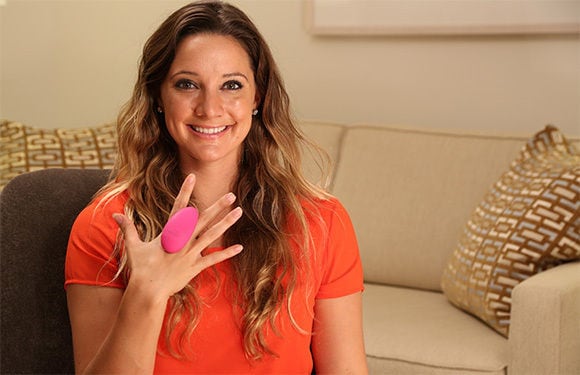
The Vibease Vibrator for Women Follows a Storyline Fantasy
The adult entertainment industry can benefit from Narrative-focused pleasure devices by offering unique and immersive experiences for users.
The 'SexFit' By Bondara is a Pedometer for Men's Sexual Organs
As the demand for connected and data-driven intimate gadgets grows, the sex toy industry has opportunities to innovate and expand their offerings.
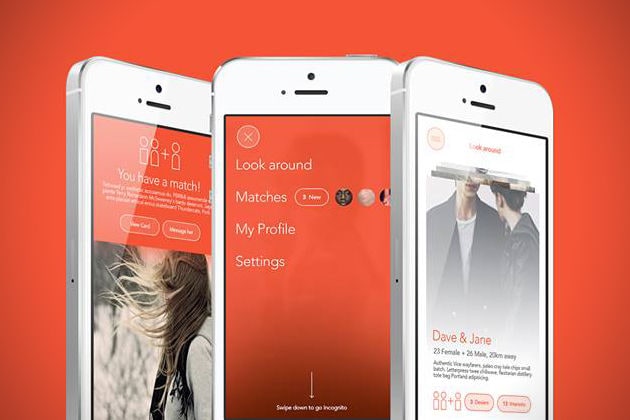
Three’s Company When it Comes to the 3nder App
Opportunity to create dating apps that cater to specific audiences and preferences.


