Category
Fashion
Scaled Restraint
Combining novelty and function, brands turn to unique outerwear materials.
Trend
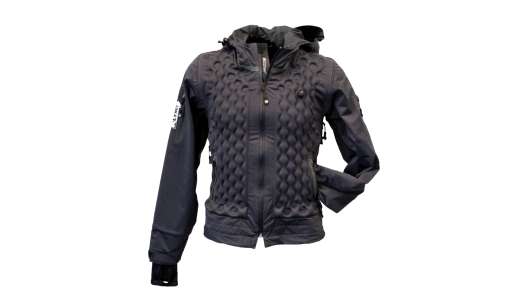
Alternative Insulation: Enhancing traditional winter wear products, brands are turning to material innovations to enhance consumer allure. Levering unexpected elements like gas and electricity to provide warmth, brands are seeking to offer function without added aesthetic fuss. This reflects a turn toward more tech-advanced versions of even the most mundane goods.
Trend themes
Brands are leveraging unexpected elements like gas and electricity to provide warmth and offer function without added aesthetic fuss.
There is a turn toward more tech-advanced versions of even the most mundane goods to enhance consumer allure.
Designers are creating garments made from special fabrics that trap thermal energy from the sun to insulate the wearer.
Industry implications
Companies can explore tech-advanced options to enhance their products and stand out in the market by providing added functionality.
Fashion designers can experiment with material innovations to create practical but stylish garments like electrically insulated outerwear.
Sun-absorbent materials can be a disruptive innovation opportunity for brands looking to create sustainable garments that rely on renewable energy sources.
Trend signals
Trend score 3.8 out of 10, from popularity 66%, activity 40%, freshness 8%.
Evidence
The Solar Charge Suit Absorbs and Traps the Sun's Heat to Keep You Warm
Disruptive innovation opportunity for companies to invest in the production of solar charge suits and thermal energy trapping fabrics.
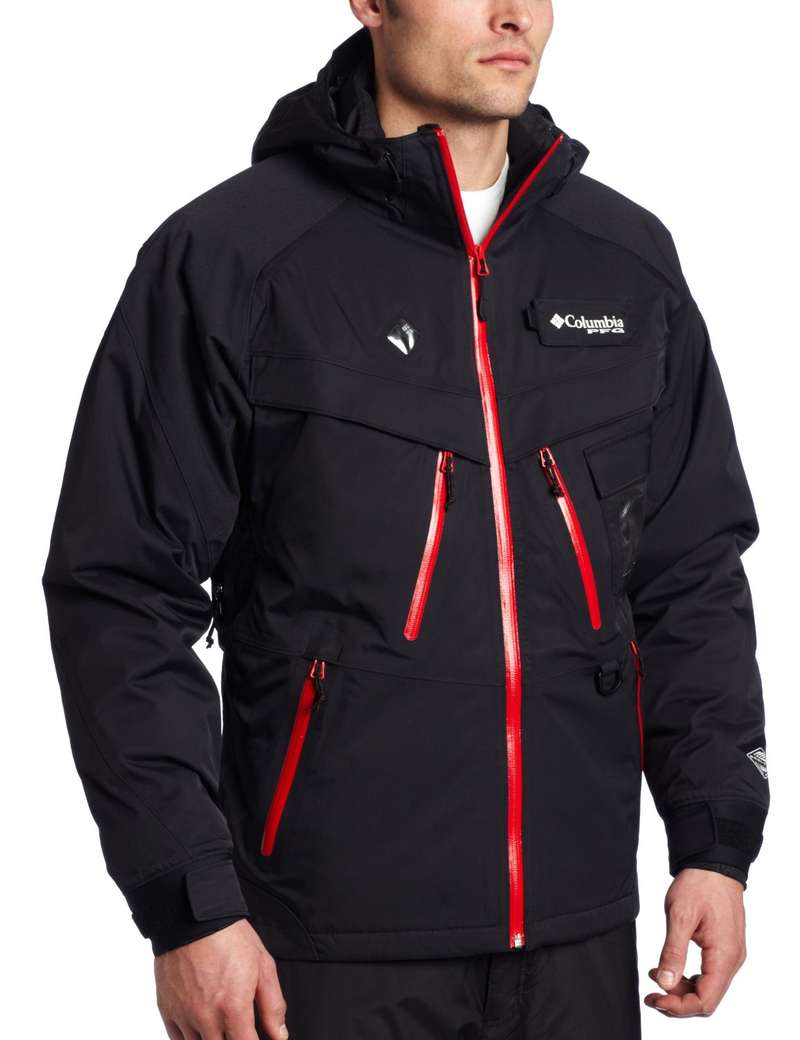
Stay Outdoors Longer with the Omni-Heat Electric Squall Jacket
Disruptive innovation opportunity to create electrically insulated jackets and outerwear for prolonged outdoor activities.
This Klymit Ulaar Jacket Keeps the Cold Out Without Being Big and Bulky
Outdoor apparel companies can explore the use of gas insulation technology and NobleTek technology to create lightweight and adaptable coats for all weather conditions.