Category
Tech
Embedded Intelligence
Companies are using AI to enhance audio translation and localization.



Trend
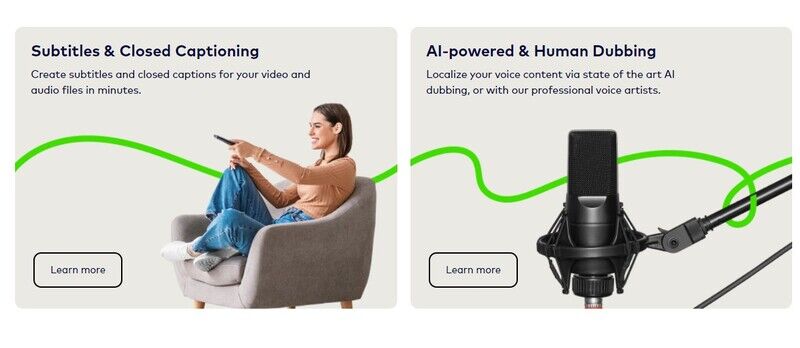
AI Dubbing: Tech companies are using artificial intelligence (AI) to create advanced dubbing software to help with translation and localization. AI dubbing goes beyond simple translation and text-to-speech, offering services that use the original actors' voices, dub in real-time, or maintain emotions.
Insight
Pandemic-induced lockdowns led to an influx of content and media consumption around the world. Many consumers began experimenting with international forms of content, having to enjoy this content with subtitles or poor translations, leading to a desire for improved content accessibility. AI solves this issue by providing curated dubbing services for each type of content, such as real-time dubbing for news broadcasts, or emotion-retaining, original-voice dubbing for television media.
Trend themes
AI dubbing services are on the rise to enhance audio translation and localization, using real-time dubs and original voices.
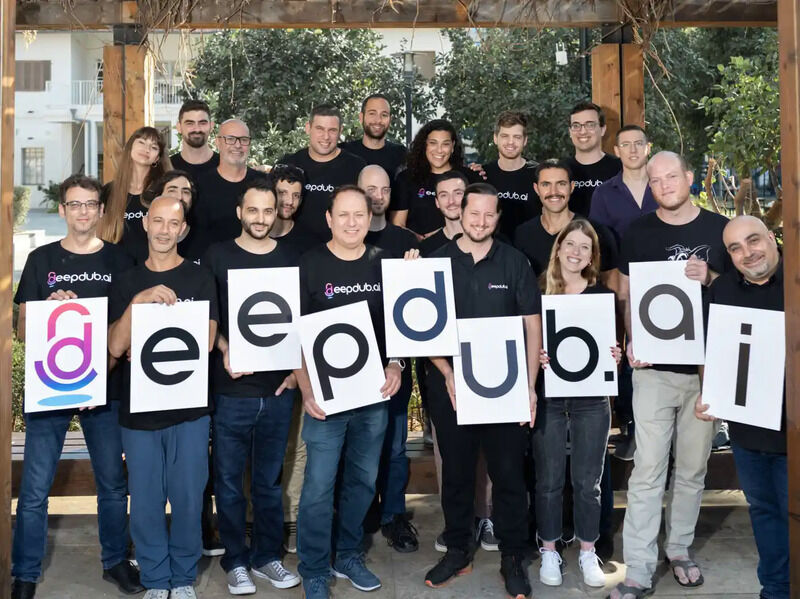
Startups like Papercup and Deepdub are harnessing the emotional capacity of AI to provide enhanced, human-like dubbing services.
Dubverse is a unique AI service that offers real-time dubbing, with crucial implications for live streaming and live television industries.
Industry implications
Film industries that require accurate and quality dubbing services can benefit from AI dubbing services that offer original voices and emotional accuracy using human-like sounds.
Television broadcasters can benefit from AI dubbing services that provide immediate translations and real-time dubbing in several languages.
Entertainment industries that value original voice dubbing for actors and celebrities can successfully align with Deepdub's unique service, which uses the original voice in the video rather than creating a new artificial voice.
Workshop question
Trend signals
Trend score 3.8 out of 10, from popularity 61%, activity 39%, freshness 14%.
Evidence
Dubverse.AI Offers a Real-Time Dubbing Service with Tonal Accuracy
Television broadcasting companies can use the real-time dubbing service to provide accessibility to their content for non-native speakers.
'Ollang' Provides End-to-End Audio Dubbing with Advanced AI
The media localization industry can benefit from Ollang's AI-powered solutions to provide accurate, authentic audio and subtitle translation to reach broader audiences globally.
Papercup Raised $20M to Enhance its AI with Human-Like Emotions
AI-powered dubbing services are disrupting the entertainment and media industry by breaking down language barriers and making content more accessible to a global audience.
Deepdub Raised $20 M to Develop its Original Voice Dubbing Service
Deepdub's focus on original voice localization and its end-to-end platform make it a valuable innovation for the entertainment industry.
Flawless AI's TrueSync is a Game Changer for the Film Industry
Flawless AI's TrueSync technology offers a new solution for film and television production which increases accessibility for non-English speaking audiences.