
Category
Business
Category Mashups
As more offices adopt a hybrid model more flexibility is needed.
Trend
Agile Workplace: The post-pandemic workplace demands more flexibility than before. The average office worker knows how to be productive from home, making the idea of being in the office full-time harder to justify. Thus, hybrid workplaces are more common than ever; however, these come with a unique set of challenges that organizations in the industry aim to solve.
Insight
The pandemic represented an era of compounded stress. Consumers weighed the emotional distress of living through a global pandemic, political unrest, and general uncertainty alongside the responsibilities they already had (such as busy work schedules) and learned to re-prioritize. As a result, the necessity of the conventional workweek was called into question. Many consumers see this as a positive result of the pandemic and a move toward a more equitable relationship with their professional lives.
Trend themes
The shift towards hybrid workspaces is demanding more flexible solutions, like office management platforms, mapping tools, and scheduling apps.
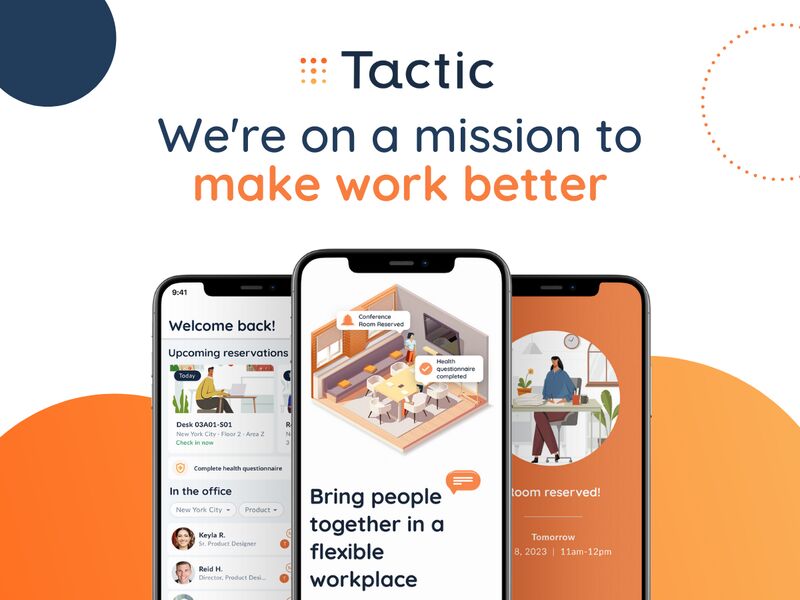
Office management platforms like 'Tactic' are positioning themselves as people-centric solutions that empower employees to manage their own workplace experience.
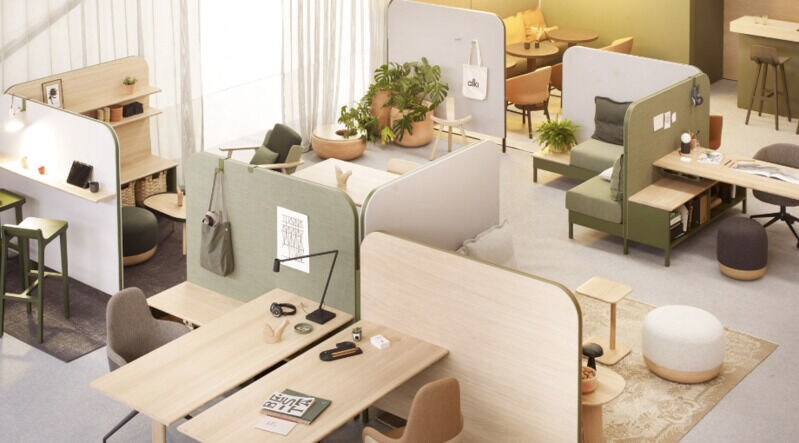
Designs like Zuzulu are streamlining the contemporary state of office space, creating modular layouts that are both private for individual work and collaborative for team strategies.
Industry implications
The rise of hybrid workspaces is creating a new demand for workplace management solutions like 'Tactic' that promote a people-centric experience.
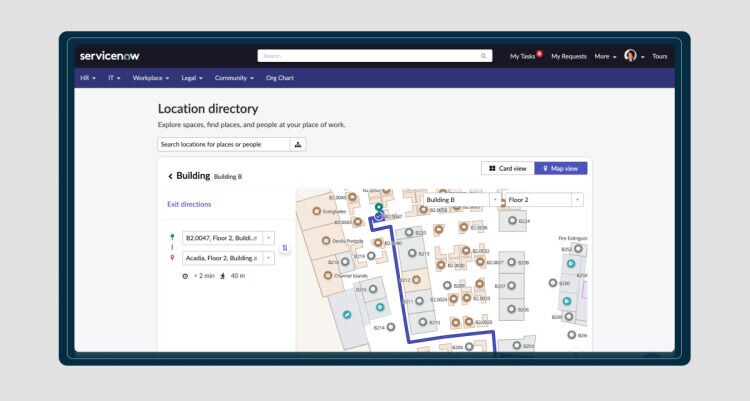
Indoor mapping tools like ServiceNow's 'Workplace Indoor Mapping' solve the challenges of a hybrid work environment by providing detailed information about usage and capacity.
Modular design solutions like Zuzulu are disrupting the office design industry by offering flexible layouts that cater to both individual private work and team collaboration.
Workshop question
Trend signals
Trend score 2.9 out of 10, from popularity 36%, activity 37%, freshness 15%.
Evidence
Alki and Iratzoki Lizaso Create Zuzulu for the Modern Office Setting
The office furniture design industry can benefit from providing modular hybrid work layouts that are not only functional, but aesthetically pleasing.
The 'Tactic' Platform is for Flexible Workspaces
The 'Tactic' Platform is positioning itself as a tool for office management, providing opportunities for new players in this industry.
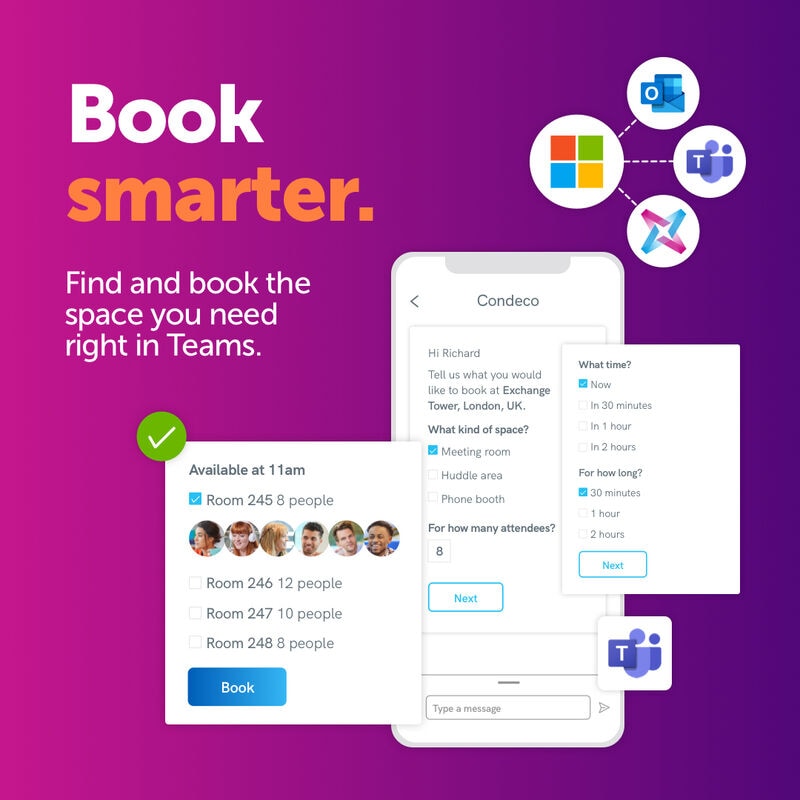
Condeco Launches a New Microsoft Teams App Dedicated to Hybrid Work
The new scheduling app by Condeco for Microsoft Teams, shows opportunities for innovation and growth in the workplace scheduling and management niche.
ServiceNow Added Workplace Indoor Mapping to the Now Platform
Indoor mapping solutions can assist facility managers in optimizing the layout of offices and enhancing occupant experience.