
Category
Tech
Automated Upkeep
Teaching management, finance apps offer youth insight via digital interaction.
Trend
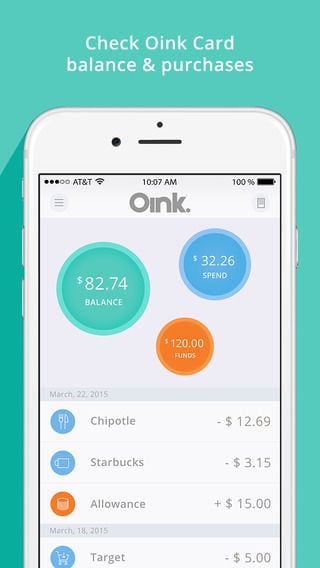
Adolescent Banking: Going beyond traditional piggy banks, parents are turning to apps and online features to encourage management skills and financial literacy. Using social media and smartphone usage to combine lessons about finance with entertainment, these digitized techniques speak to a desire to introduce responsibility early on.
Trend themes
Parents are turning to apps and online features to encourage management skills and financial literacy in teenagers and preteens.
Mobile platforms are designed to empower young consumers to make their own spending decisions, but within certain parental boundaries.
Finance apps are designed to have a game-like experience with the option to add varying degrees of monetary rewards based on certain chores or activities.
Industry implications
Online platforms and apps can be used to teach financial literacy, money management, and other life skills to children and teens.
The rise of digital banking is fueling the development of child-friendly banking apps, mobile platforms, and prepaid debit cards.
New fintech apps designed for younger audiences are being created to monitor spending, promote financial responsibility, and encourage healthy saving habits.
Trend signals
Trend score 3.1 out of 10, from popularity 54%, activity 32%, freshness 8%.
Evidence
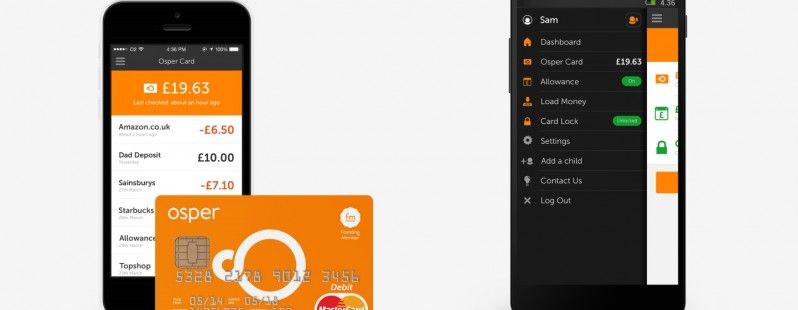
Osper Allows Parents to Empower Children with a Sense of Financial Freedom
Osper's mobile-only banking service for kids presents a disruptive opportunity in the banking industry, particularly for traditional brick-and-mortar banks.
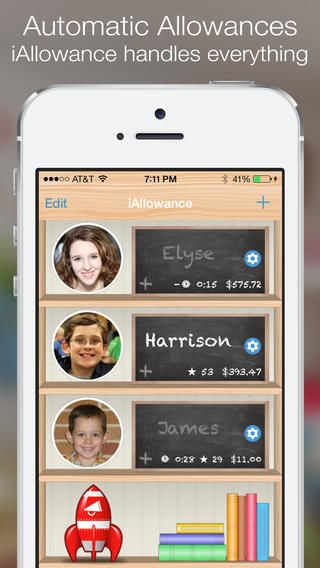
The iAllowance Personal Finance App is Made for Tweens and Teens
Disruptive innovation opportunity: Innovate within the personal finance industry by creating tools and apps specifically designed for families to manage their finances.
This New Finance App Facilitates Peer-to-Peer Money Transfers
Banks will need to adapt to changing consumer preferences and expectations for more mobile and peer-to-peer banking in order to remain competitive and relevant.
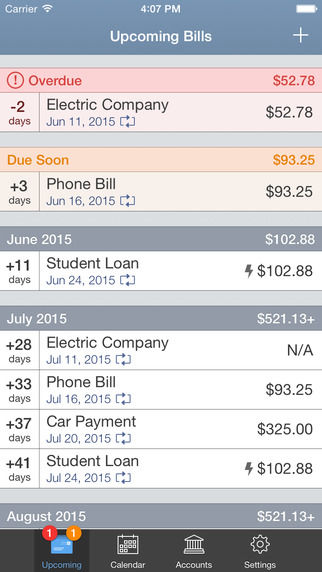
BillTracker is a Bill Management App That Puts Everything in One Place
The rise of bill management apps presents a significant opportunity for developers to create innovative solutions for personal finance management.