
Category
Marketing
Fan Immersion
Tongue-in-cheek wordplay is adopted by brands to convey character.
Trend
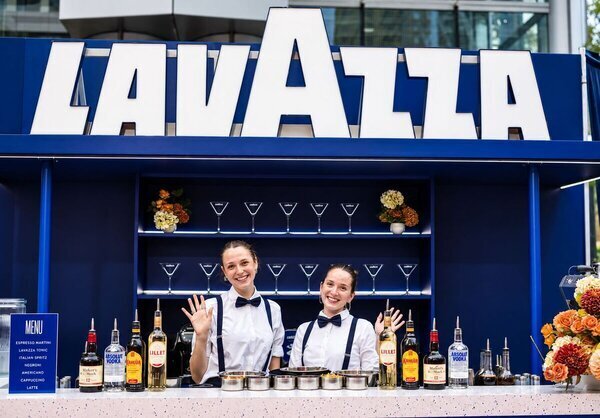
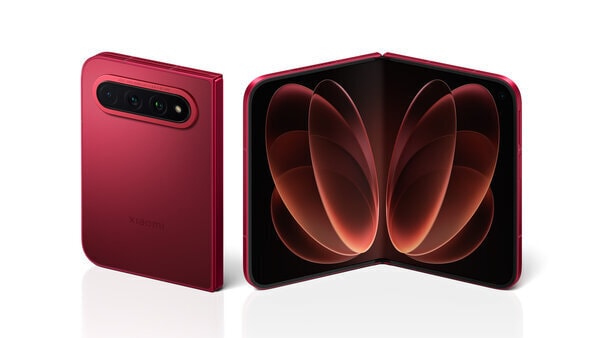
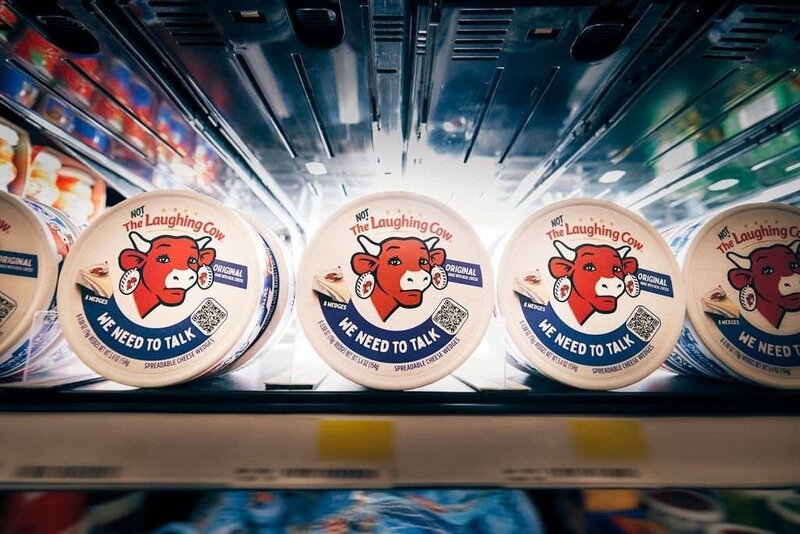
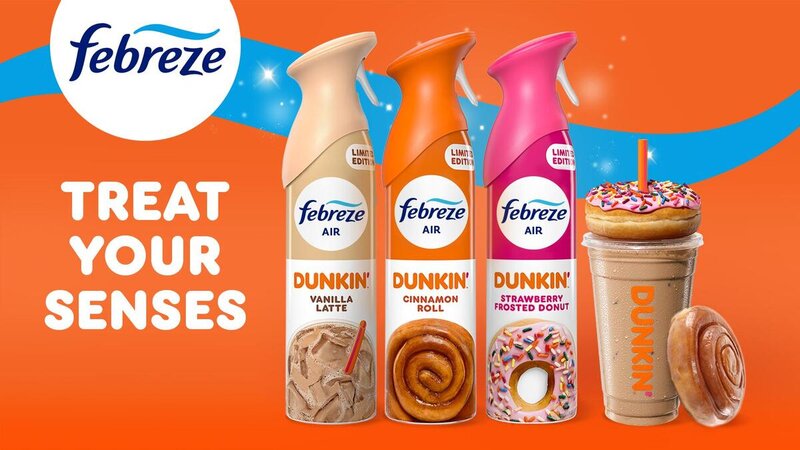
Punny Branding: Packing elements of character and bragging into product marketing, the utilization of wordplay is catching attention for being off the cuff and personable. This laid back, carefree approach relates to consumers on more human level, and makes brand interactions more conversational rather than one-sided.
Trend themes
Brands are adopting tongue-in-cheek wordplay for product marketing, resulting in a more conversational approach with customers.
Designers are developing humorous packaging concepts that allow consumers to have a more engaging interaction with food products.
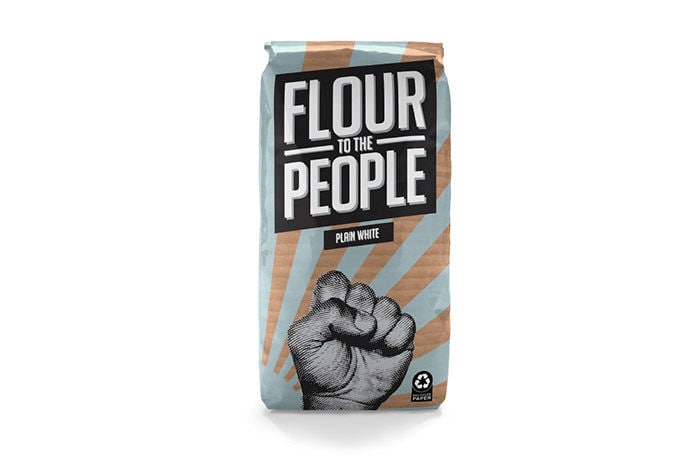
Products like flour are being rebranded with packaging that features a new take on popular phrases or symbols, allowing consumers to identify with a sense of strength and power.
Industry implications
These trends offer great opportunities for food and beverage companies to create a unique brand image and expand their customer base.
Design and packaging professionals can use these trends to create fun, playful, and engaging designs that stand out in the marketplace.
Marketing and advertising professionals can use these trends to develop more conversational and humorous approaches to brand storytelling.
Trend signals
Trend score 2.5 out of 10, from popularity 37%, activity 31%, freshness 8%.
Evidence
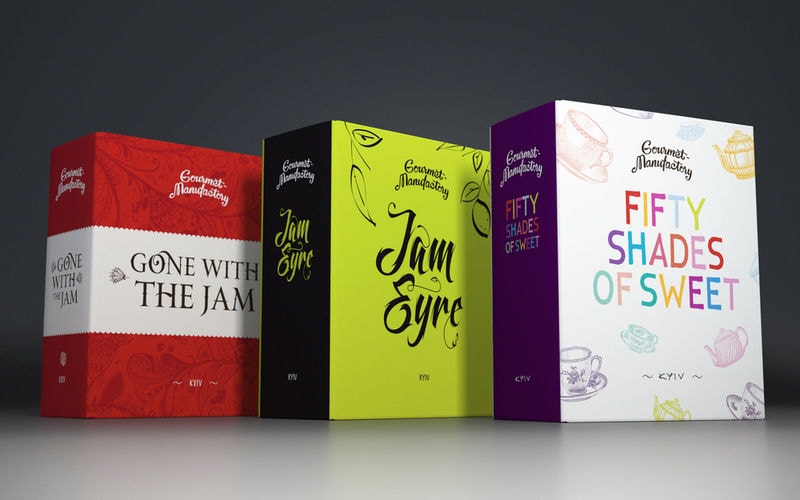
Gastromasterskaya's Jam Jar Packaging Was Inspired by Popular Books
Brands in the food and beverage industry can take inspiration from Gastromasterskaya's creative branding and unique flavor combinations.
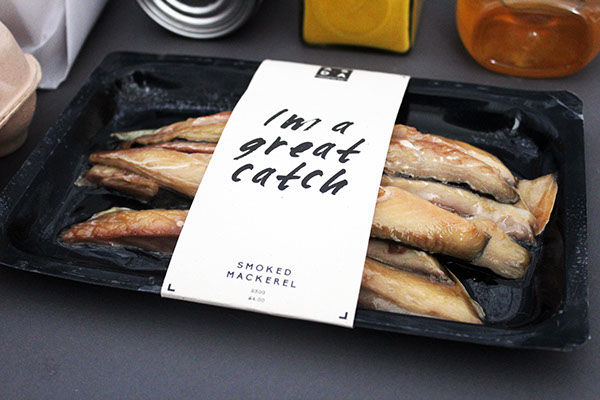
Beth Fox-Fuller Developed a Funny Food Packaging Concept for ASDA
Opportunity for food packaging companies to incorporate humor and personalization into their packaging designs, appealing to consumers and standing out in the market.
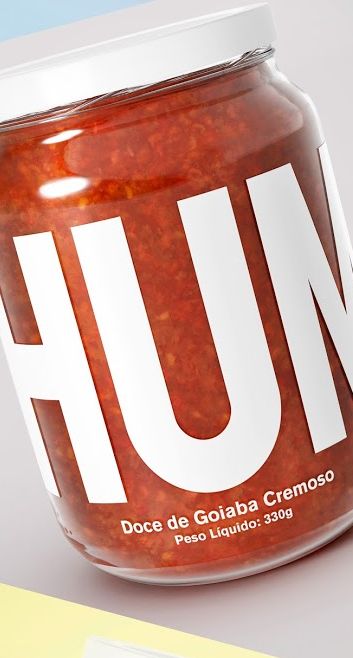
The Concept Branding for HUMMM Shows Off Four Delicious Jam Flavors
Exploring inventive packaging concepts and designs can revolutionize the way food and beverage products are presented and perceived in the market.
'Flour to the People' is a Pun on a Popular Saying
The packaging design industry can explore disruptive innovation opportunities by incorporating power-based aesthetics in various product categories.