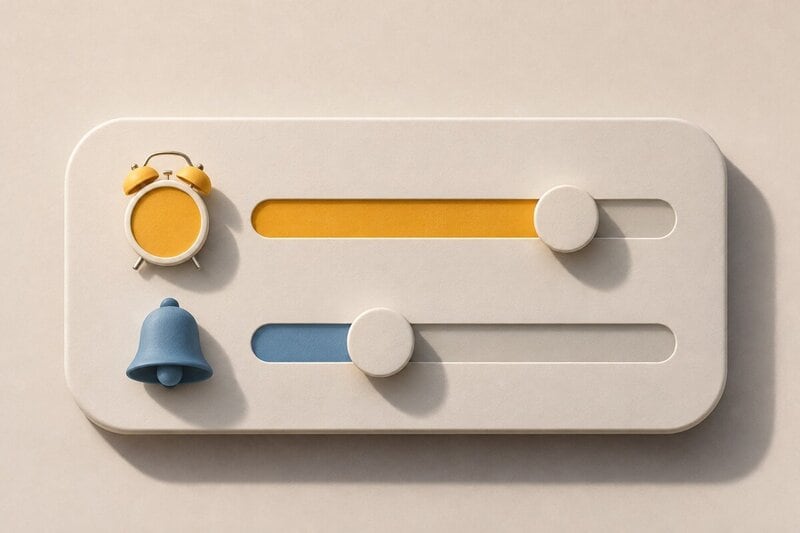
iOS 27 is adding a dedicated volume control for iPhone alarms, allowing users to adjust wake-up sounds without changing the volume of ringtones and system alerts. The option is available in the iPhone’s Sounds & Haptics settings, giving alarms a separate level from the phone’s other sounds.
The feature is initially linked to the main ringtone volume through a setting called Match Ringtone Volume. Turning this option off for Alarms and Timers reveals a separate slider, letting users keep calls and notifications quieter while setting alarms to a louder level.
The change gives iPhone owners more control over how their device sounds throughout the day. It also means adjusting an alarm no longer requires changing the volume used for incoming calls and other alerts, which can be useful for anyone who prefers different levels for waking up and everyday notifications.
Image Credit: AI-generated
What Makes This Trend Stand Out
- Granular Audio Personalization
- Separate alarm controls reflect rising demand for device settings that adapt to distinct daily contexts without disrupting broader notification preferences.
- Context-aware Notification Design
- Sound management is evolving toward more situational interfaces where users can fine-tune alerts based on purpose, urgency, and time of day.
- Sleep-friendly Device Controls
- Personal technology features increasingly support healthier wake routines by separating morning alarms from daytime communication sounds.
Sectors Adopting This
- Mobile Operating Systems
- Platform updates that isolate core settings create differentiation through everyday usability improvements rather than major hardware changes.
- Consumer Electronics
- Connected devices can gain value from more precise sensory controls that align sound, haptics, and timing with individual lifestyle patterns.
- Digital Wellness
- Wellbeing-focused tools are expanding beyond screen time into ambient device behaviors that influence rest, routines, and attention.
Featured Reports

Creatine Is Leaving the Gym. The Beverage Industry Should Pay Attention.
American Dream Fatigue