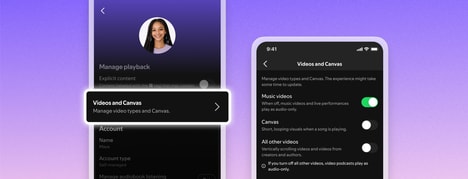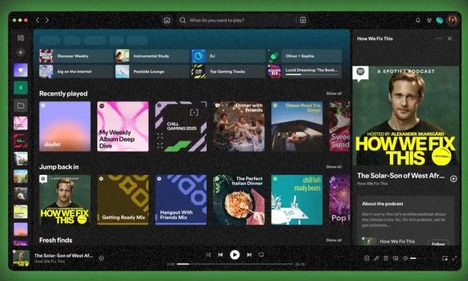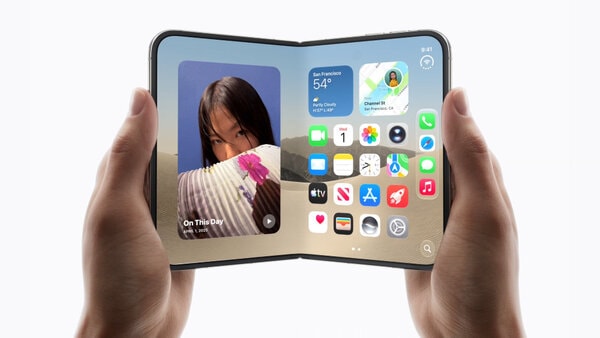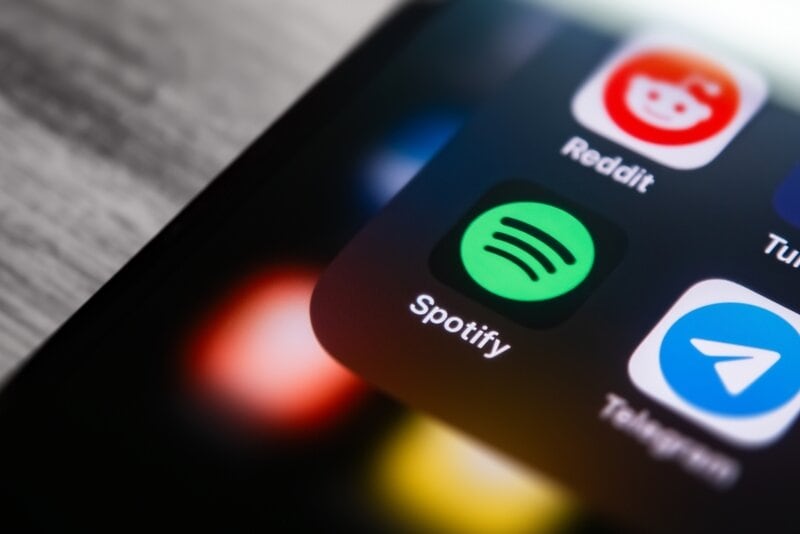
Spotify on iOS 27 now works with Siri without the extra app callout, so iPhone users can ask for what they want to hear and get Spotify playback automatically. The change also supports broader spoken prompts, turning hands-free listening into a one-step request rather than a phrase that must include the app name.
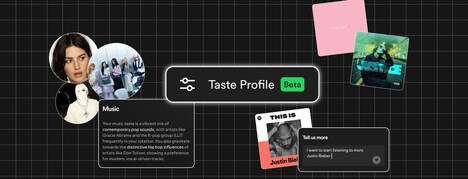
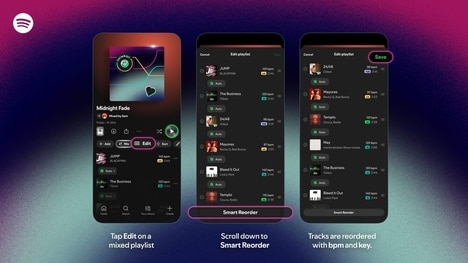
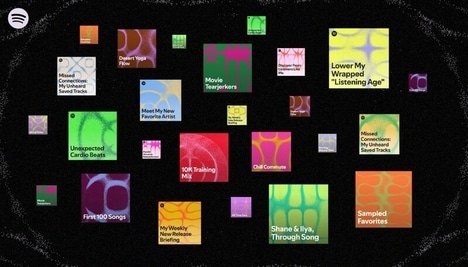
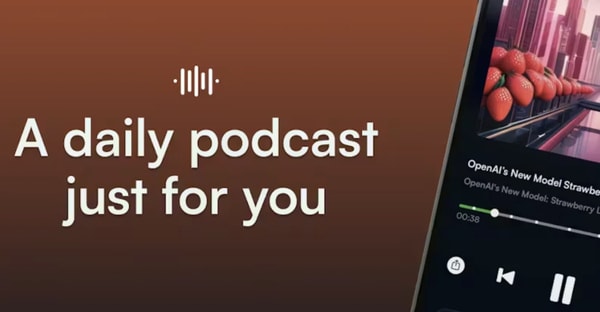
Siri can also trigger 'Spotify DJ' and build a 'Prompted Playlist' with AI, while learning which music app a listener uses most often. The update is available globally, beyond the EU, for iPhone 15 Pro and later, with Apple Intelligence enabled in Settings.
Siri learning a preferred music app moves voice control closer to a real default setting, reducing friction for listeners who spend most of their time in Spotify. The iOS 27 requirement also makes Apple Intelligence a more visible gatekeeper for third-party audio experiences on the iPhone.
Image Credit: Shutterstock/Jess Rodriguez
What Makes This Trend Stand Out
- Implicit App Defaults
- Voice assistants that infer preferred services reduce command friction and create openings for third-party platforms to compete inside native device experiences.
- Conversational Audio Control
- Broader spoken prompts for music playback point to more natural hands-free interfaces where user intent replaces rigid app-specific phrasing.
- AI-generated Listening
- Prompted playlists and AI DJ features make music discovery more adaptive, turning casual voice requests into personalized audio programming moments.
Sectors Adopting This
- Music Streaming
- Default-like Siri routing strengthens the role of streaming services as embedded entertainment layers across mobile operating systems.
- Voice Assistants
- Preference learning reshapes assistant utility by making service selection feel automatic while expanding the value of conversational commands.
- Mobile Operating Systems
- Apple Intelligence requirements position the OS as a gatekeeper for advanced third-party integrations and next-generation app accessibility.