Apple is rolling out iOS 27 with refinements to its Liquid Glass interface and a revamped Siri AI experience launching in beta. The update aims to make common interactions feel smoother while keeping the familiar iPhone experience.
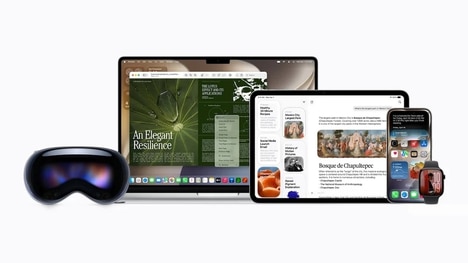
Apple says the release delivers up to 30% faster app loading and updated search tools across Spotlight, Photos and Mail. Siri AI initially supports English and will not be available in the European Union at launch. French, Japanese, Korean, Portuguese and Spanish support is scheduled for October. Apple is also rolling out iPadOS 27, macOS 27, watchOS 27 and visionOS 27.
For owners, iOS 27 provides faster app access, deeper search tools and early access to Apple’s updated assistant. It supports the same devices as iOS 26, including iPhones dating back to the iPhone 11 series and 2020 iPhone SE. This broad compatibility keeps older devices in Apple’s software ecosystem, while the staged Siri rollout gives the company a controlled path to expand its AI experience.
Image Credit: Apple
Key Themes Behind This Trend
- Performance-first Software
- Faster app loading and smoother interface refinements signal opportunities for platforms that extend device longevity through optimization rather than hardware replacement.
- Staged AI Assistants
- Controlled regional and language rollouts create space for localized AI services that bridge availability gaps while major ecosystems scale cautiously.
- Cross-device Search
- Deeper search across apps and operating systems highlights demand for unified discovery layers that make personal data easier to access across connected devices.
Where This Applies
- Mobile Operating Systems
- Broad device compatibility reinforces the value of software ecosystems that retain older users while introducing premium AI and performance upgrades.
- Consumer Electronics
- Extended support for legacy smartphones points to new competitive pressure around durability, lifecycle value and software-driven differentiation.
- Artificial Intelligence
- Beta assistant launches with limited language coverage reveal room for multilingual, region-specific AI experiences tailored to diverse user expectations.