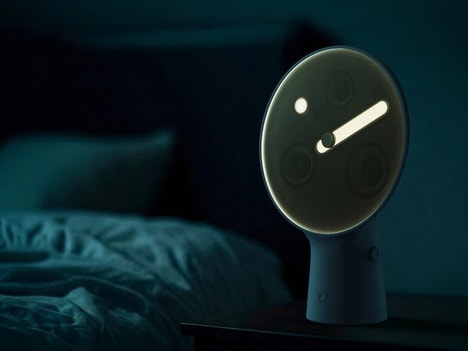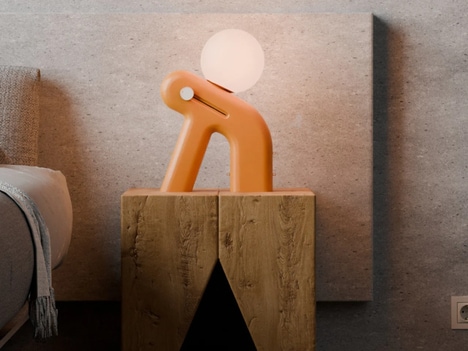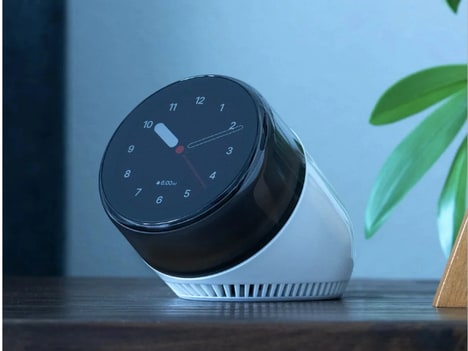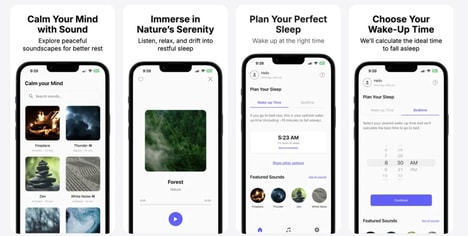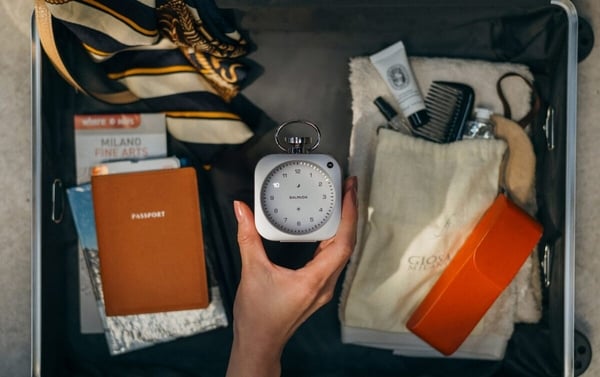

Many people rely on smartphone alarms but struggle with repeatedly snoozing notifications without fully waking up, which is why Lasso Alarm Clock is a hardware-assisted alarm system designed to encourage users to physically leave their bed before an alarm can be dismissed.
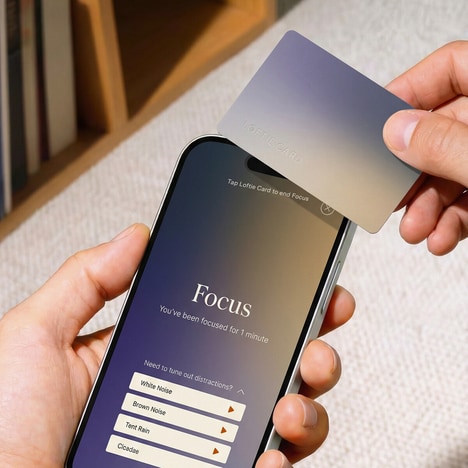
The system pairs a smartphone alarm with a separate physical device placed elsewhere in a room. To stop the alarm, the user must walk to the device and interact with it rather than silencing the alarm directly from their phone.
By introducing a physical action into the wake-up process, the product aims to make alarm dismissal more intentional and reduce the likelihood of immediately returning to sleep. The approach combines mobile software with a dedicated hardware accessory.
Image Credit: Lasso Alarm
Key Themes Behind This Trend
- Hardware-assisted Habits
- Physical accessories paired with everyday apps create new behavior-change systems that make digital routines harder to ignore and more measurable.
- Intentional Wake-up Design
- Alarm experiences that require movement, confirmation, or environmental interaction open space for products focused on reducing passive phone use and improving morning consistency.
- App-connected Room Devices
- Small connected objects placed around the home can extend smartphone functions into the physical environment, creating hybrid interfaces for wellness, productivity, and habit formation.
Where This Applies
- Sleep Technology
- Device-led alarm systems expand sleep solutions beyond tracking and coaching into active intervention tools that influence how users transition from rest to wakefulness.
- Consumer Electronics
- Compact companion hardware for smartphones introduces a category of purpose-built accessories that solve behavioral pain points not easily addressed through software alone.
- Digital Wellness
- Products that add friction to compulsive phone behaviors reflect growing demand for technology that supports healthier routines while limiting low-intention interactions.