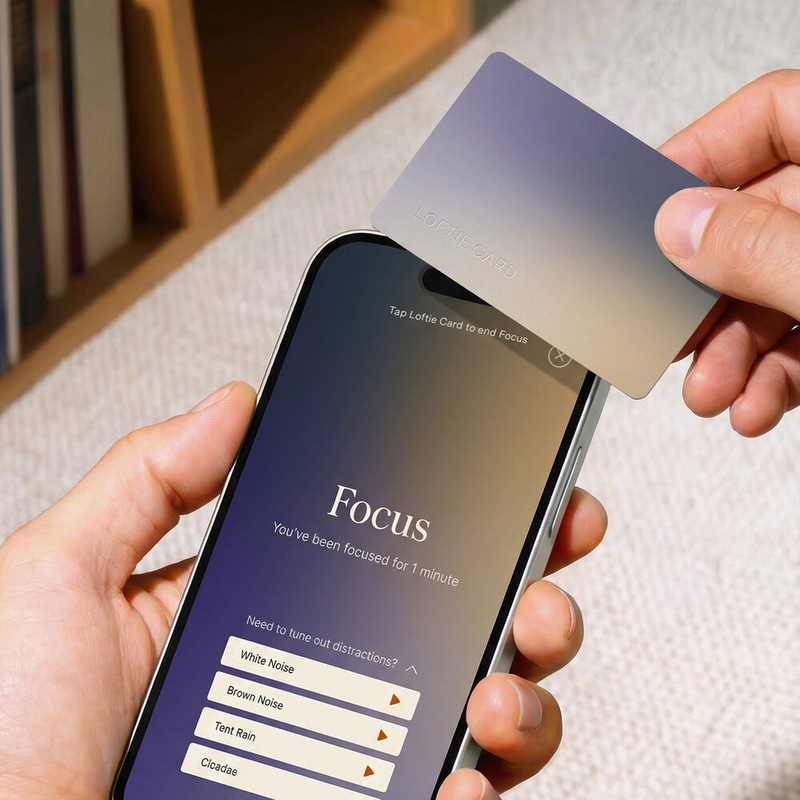
Loftie has launched the Loftie+ Habit System, a mobile app and accompanying tools designed to help users reduce smartphone use at night and improve focus during the day. This new release moves beyond the company’s original hardware-based alarm clock into a broader behaviour-change platform.
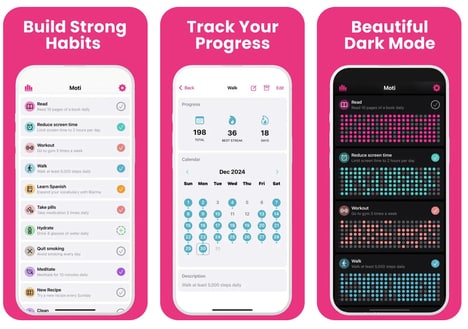
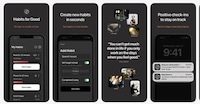
The Loftie+ Habit System includes a subscription-based app priced at $9.99 a month or $59.99 annually. The platform features nightly app blocking organized into Relax, Sleep, and Rise phases that run automatically after a one-time setup, as well as daytime focus tools and screen-time challenges. A key component of the Habit System is the Loftie Card, a credit card-sized NFC device meant to be carried in a wallet, which triggers Focus mode with a single tap when a user sits down to work, enters a meeting, or needs to concentrate in any location. Additionally, a free home screen widget called Flip replaces the standard app grid with a minimalist text-only launcher showing only the apps a user chooses.
Image Credit: Loftie
Key Themes Behind This Trend
- Behavioral-design Habit Platforms
- Products that integrate subscription apps with routine-based scheduling and micro-habits present the potential to redefine how users outsource willpower and regulate device-driven behaviors.
- Contextual Hardware Triggers
- Small NFC accessories and tactile tokens that toggle digital states in physical contexts suggest a shift toward embodied interfaces that mediate attention and presence.
- Minimalist Interface Launchers
- Text-only home screen overlays and curated app grids imply new opportunities for reducing cognitive load by limiting choice architecture at the OS layer.
Where This Applies
- Digital Wellness Subscriptions
- Subscription pricing for habit systems indicates a recurring-revenue model that could disrupt one-time hardware sales by bundling ongoing behavioral coaching and content.
- Workplace Productivity Tools
- Focus modes triggered by personal tokens point to enterprise opportunities for embedding attention-management features into collaboration suites and meeting workflows.
- Mobile Device Manufacturers
- Integration of minimalist launchers and hardware triggers hints at device-level differentiation strategies that prioritize psychological ergonomics over raw feature counts.