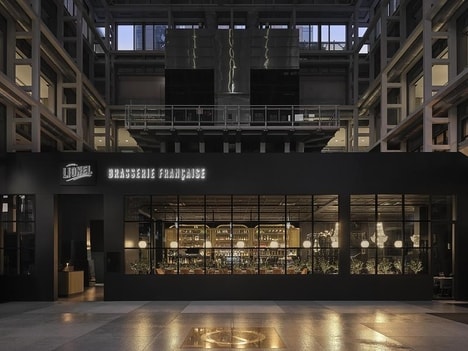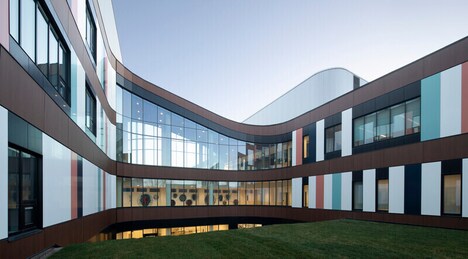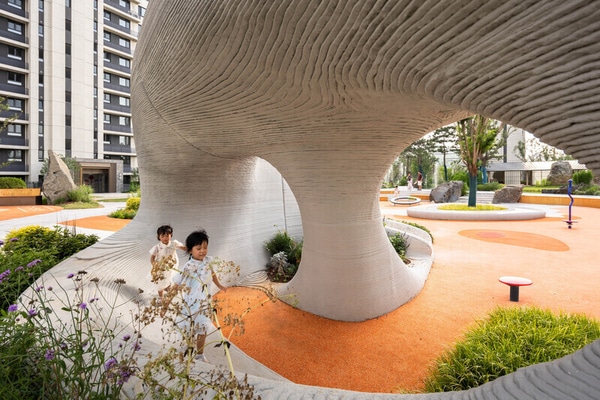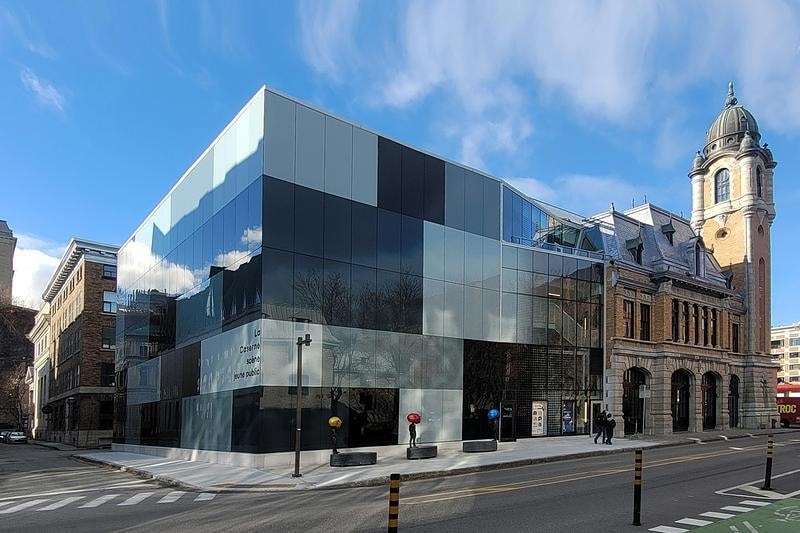
Saia Barbarese Topouzanov Architectes, in consortium with Delort et Brochu architectes, have completed La Caserne – The Theatre for Young Audiences in Quebec City. This project transforms a historic 1912 fire station and its 1996 expansion into a vibrant cultural venue for the youth theatre company Les Gros Becs, while adding a new 350-seat theatre and multifunctional hall.
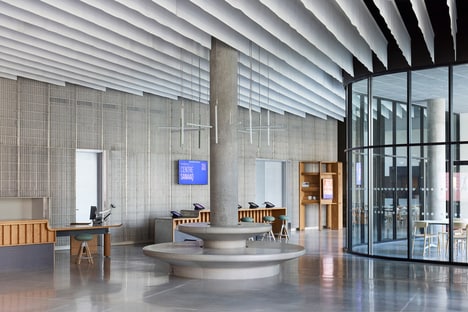
Saia Barbarese Topouzanov Architectes' design approach for La Caserne – The Theatre for Young Audience embraces a dialogue between the historic city and contemporary intervention by preserving the landmark granite-clad black box and its distinctive tower while introducing a fully glazed, highly energy-efficient addition that incorporates thermal breaks for enhanced durability and performance. A strategic breach running from Dalhousie to Bell Street creates a foyer connecting two entrances, one serving the general public and the other dedicated to school groups arriving by bus.
Image Credit: Vladimir Topouzanov
Key Themes Behind This Trend
- Adaptive Cultural Reuse
- Historic civic structures are becoming platforms for youth-focused arts programming, creating room for preservation-led design models that combine heritage value with contemporary audience needs.
- Transparent Performance Spaces
- Glazed, energy-efficient additions to traditional venues signal a shift toward more open cultural architecture, where visibility, sustainability, and public engagement reshape theatre design.
- School-integrated Venues
- Dedicated entrances and circulation strategies for student groups reflect emerging demand for cultural spaces built around educational logistics, accessibility, and high-volume youth participation.
Where This Applies
- Architecture
- Firms can differentiate through hybrid projects that merge conservation, high-performance building envelopes, and civic placemaking for next-generation public venues.
- Performing Arts
- Youth theatre organizations gain new possibilities from purpose-built venues that support flexible programming, larger audiences, and deeper school-community partnerships.
- Urban Development
- Cultural renovations of landmark infrastructure contribute to downtown revitalization by converting underused heritage assets into active, multi-entry public destinations.