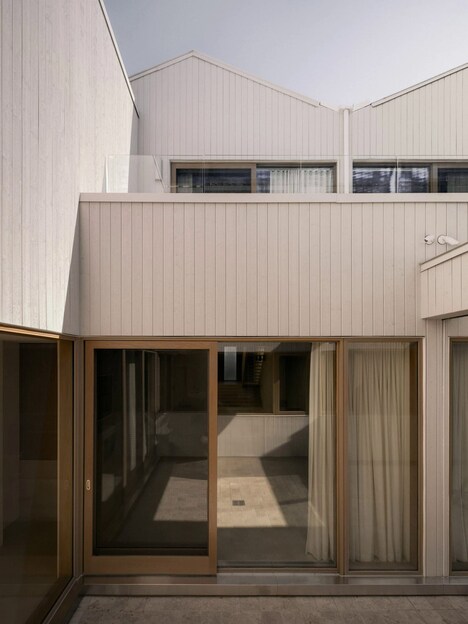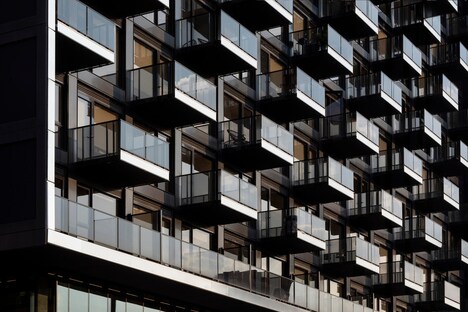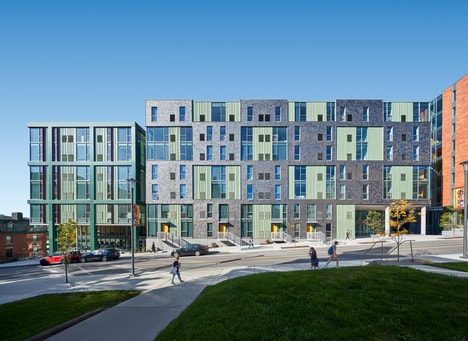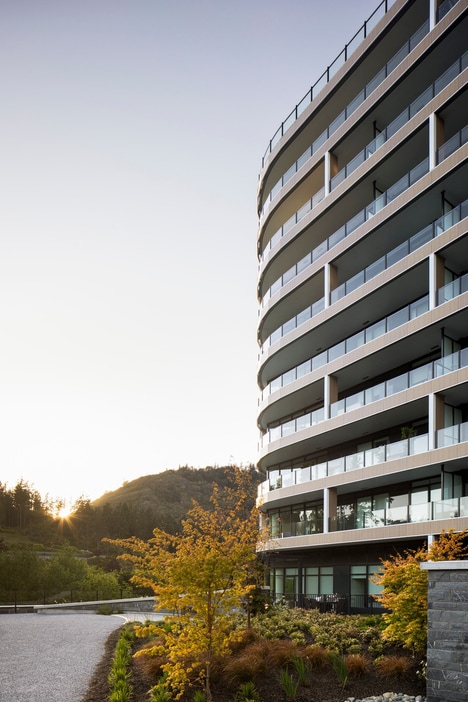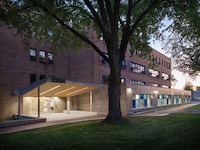
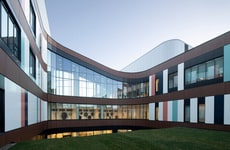
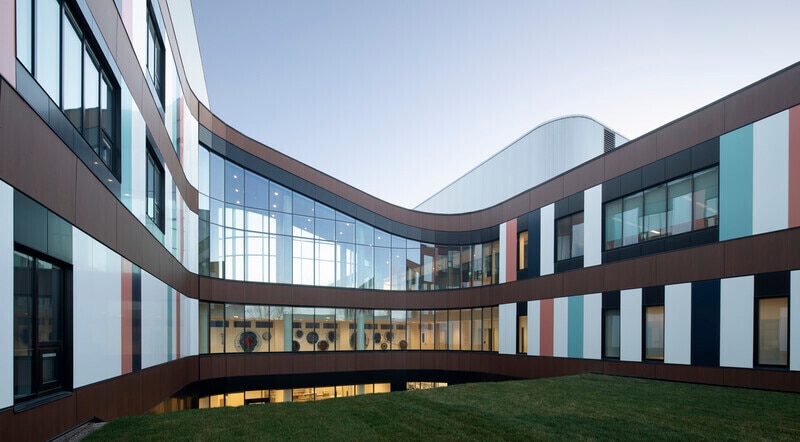
ACDF Architecture headed the design philosophy and architectural execution of a youth rehabilitation center in Sainte-Thérèse, Canada. Dubbed the CRJDA Sainte-Thérèse, the project's fundamental objective was to transcend the typically rigid and institutional character of such facilities by implementing a human-centric design strategy.
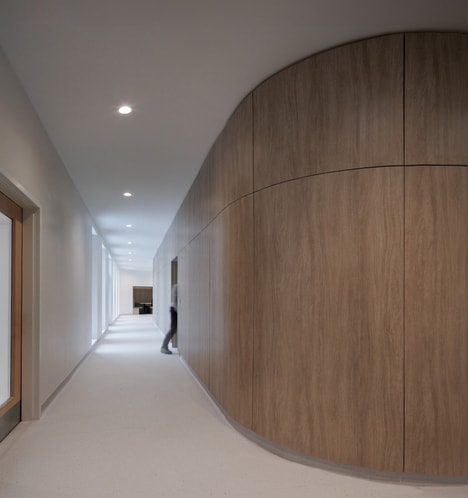
ACDF Architecture manifested its vision through the deliberate use of warm, residential-style materials — like wood, a color palette of soft pastels — as well as architectural forms dominated by curves and horizontal lines to foster a calming and non-threatening atmosphere. The interior layout is organized into distinct wings for education and residential living. These are connected by a central passageway intended to serve as a psychological and physical transition space. Within learning environments, design elements such as color-coded thresholds and secluded alcoves aim to reduce anxiety and support diverse learning needs.
Image Credit: Adrien Williams
What's Driving This Trend
- Human-centric Architecture
- The use of residential-style materials and calming design elements highlights the shift towards architectural practices that prioritize well-being and psychological comfort.
- Therapeutic Learning Environments
- Design features such as color-coded thresholds and secluded alcoves illustrate a growing trend in creating educational spaces tailored to mental health and individualized learning requirements.
- Integrated Facility Design
- Combining residential, educational, and transitional spaces into a cohesive layout marks a trend in comprehensive facility design aimed at supporting holistic rehabilitation.
Who This Affects Most
- Architecture and Design
- Innovative designs that incorporate warm materials and human-centric elements signal a transformation within the architecture industry towards spaces that promote mental and emotional well-being.
- Youth Rehabilitation
- The integration of therapeutic and educational design strategies within rehabilitation centers indicates a shift in the industry towards more supportive and adaptive environments for youth.
- Educational Facilities
- Adaptations in educational spaces featuring elements like color coding and alcoves point to opportunities for innovation in creating environments that cater to diverse learning needs.