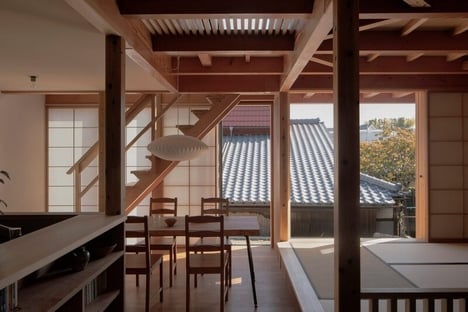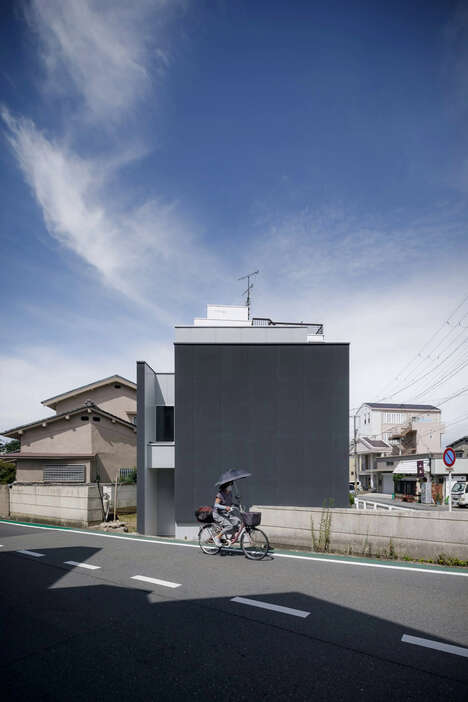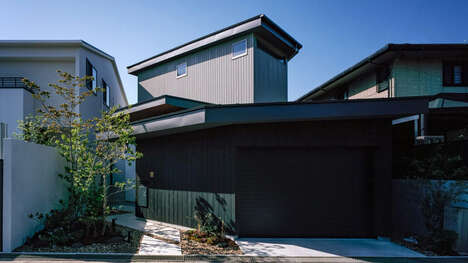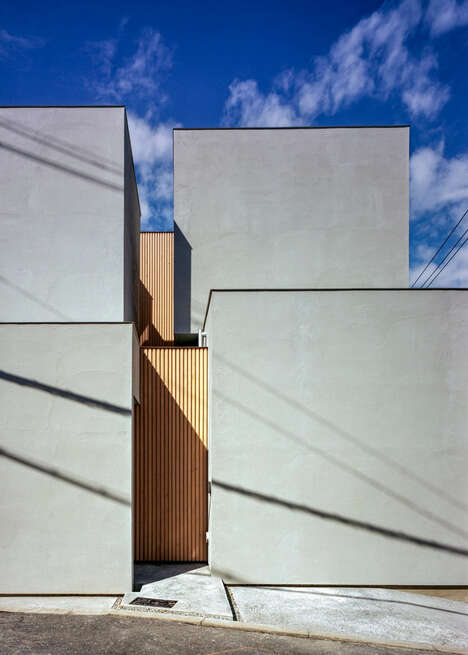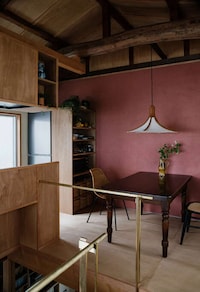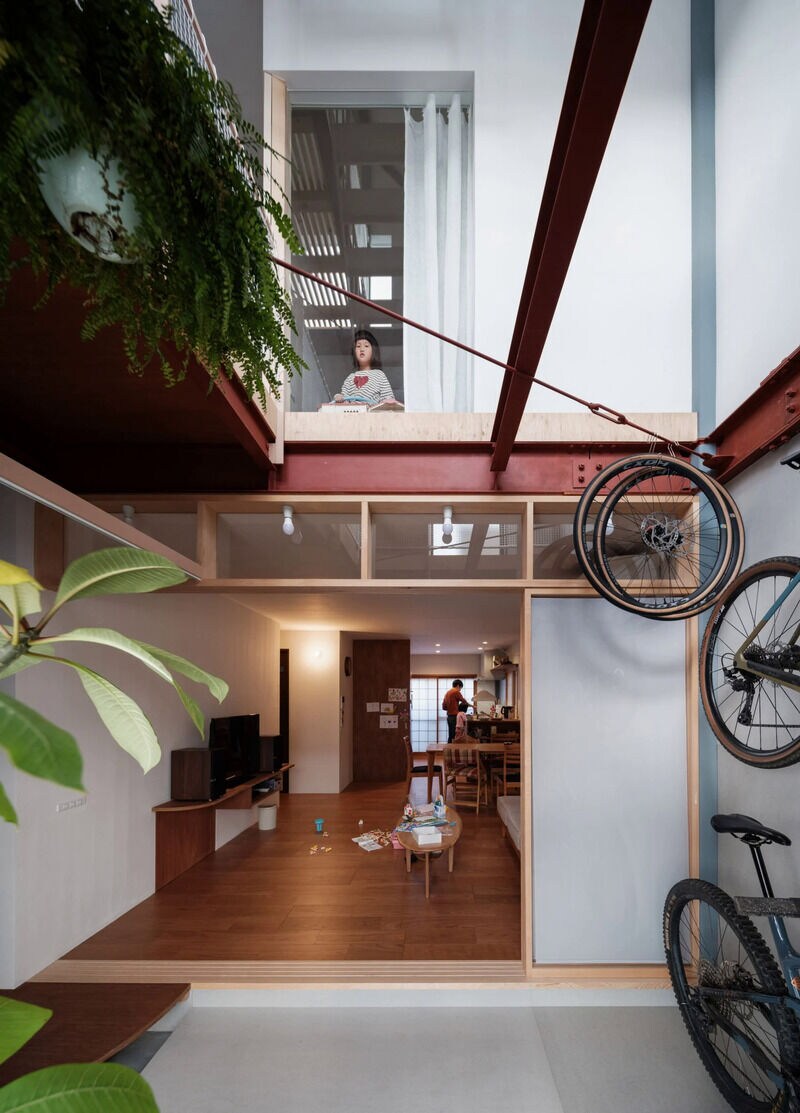
Japanese design studio Akio Isshiki Architects updated the House in Hattori-Tenjin, which is located in Osaka. It is renovated with various levels in order to maximize light and encourage a more playful design. The home is located on a busy residential street and the team worked with a tight budget. The goal was to simply bring more life into the home whilst keeping most of the building's structure, unveiling a void at the front section.
Studio founder Akio Isshiki speaks to Dezeen about the design process, noting "The existing house had a two-dimensional impression, with a standardized facade and floor plan. By inserting a blank space, we thought of transforming the space into an unrestricted residential space that goes beyond a two-dimensional drawing. The inspiration came from watching the client's children play with toy houses. I felt that the way children perceive space may be unrestricted by floor plans or facades
Image Credit: Yosuke Ohtake
Key Themes Behind This Trend
- Multi-level Living Spaces
- Design studios are exploring new ways to create dynamic residential spaces that maximize light and encourage playful design.
- Innovative Spatial Transformations
- Architects are rethinking traditional residential structures by incorporating blank spaces to create unrestricted living environments inspired by playful interactions.
- Interactive Architecture Design
- The integration of void spaces in residential architecture is redefining the concept of interactive and engaging living spaces.
Where This Applies
- Architecture & Interior Design
- The architecture and interior design industries are ripe for disruptive innovation opportunities in creating multi-level living spaces that prioritize light and playful design.
- Residential Construction
- In the residential construction sector, there is potential for disruptive innovation in transforming traditional structures into interactive living environments through innovative spatial transformations.
- Real Estate Development
- Real estate development companies can capitalize on the trend of interactive architecture design by incorporating void spaces to attract customers seeking unique and engaging living experiences.