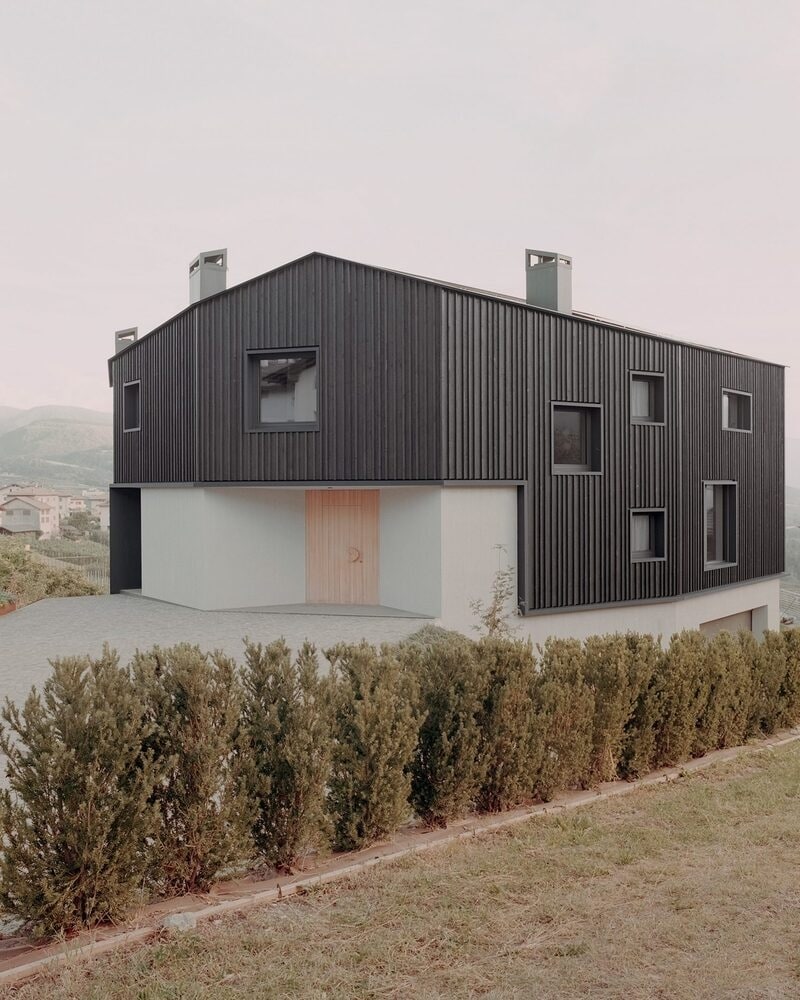
Hometown House is a residential project by MoDus Architects that transforms a constrained corner plot in a Japanese city into a layered family home with optimized light and spatial flow. The design uses a folded plan that wraps the program around a central void, allowing daylight to penetrate deep into interior zones and creating a visual connection between living spaces on different levels. Large openings and corner glazing maximize exposure to the street and internal courtyard, striking a balance between privacy and openness.
Interior spaces are articulated through subtle shifts in level, with shared areas positioned to take advantage of both natural light and efficient circulation. Materials such as warm wood finishes and smooth plaster surfaces emphasize tactile quality, while structural expression remains clean and minimal. The house accommodates private and communal functions within a compact footprint by defining zones through section rather than full partitions.
Image Credit: Simone Bossi
Key Themes Behind This Trend
- Optimized Urban Living Spaces
- The transformation of constrained plots in urban settings into functional and well-lit residences represents a shift towards maximizing living quality in dense environments.
- Multi-level Open-plan Designs
- Adopting open-plan designs with varying levels creates seamless visual and physical connections within compact spaces, enhancing residential interaction and light distribution.
- Daylight-driven Architecture
- Innovative architectural designs prioritize daylight penetration through strategic placement of voids and glazing, promoting energy-efficient urban living.
Where This Applies
- Architecture and Urban Design
- The integration of compact, multifunctional homes into urban landscapes showcases new approaches and materials in addressing the needs of city living.
- Construction and Building Materials
- As designs favor clean, minimal structural expressions, the demand for versatile and sustainable building materials rises.
- Smart Building Technologies
- Implementing advanced glazing and lighting solutions that maximize natural light input is becoming increasingly vital in modern building.