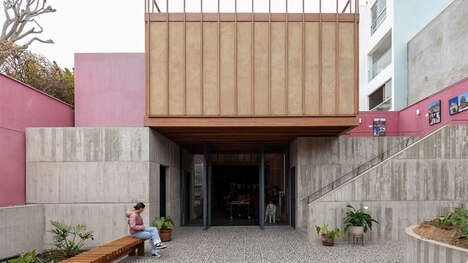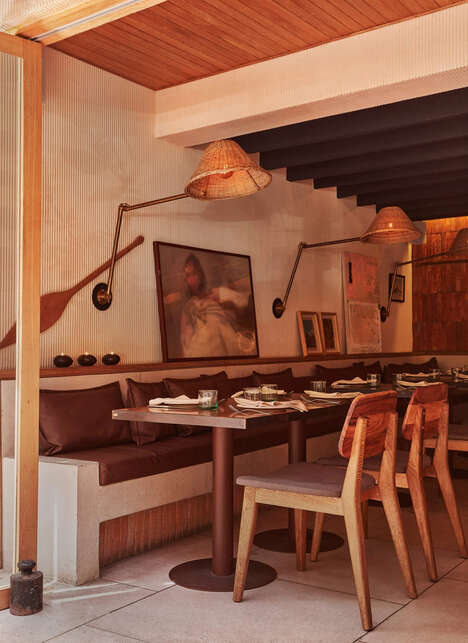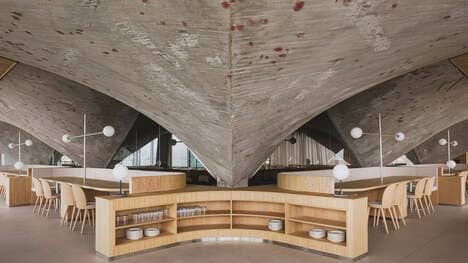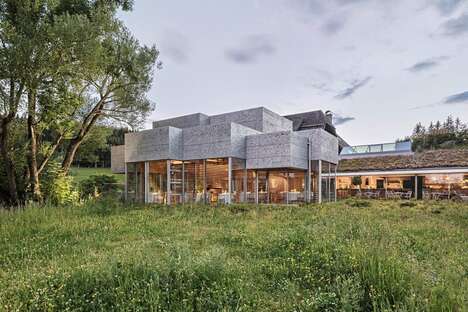
This authentic Peruvian restaurant is a must-visit. Located in the historic Sacred Valley of the Incas, the architectural concept was developed by Lima-based Estudio Rafael Freyre.
The appeal of the dining experience can be traced to a few things. For one, the 'Mil Centro' has been defined as "a laboratory and hub for experiments in local gastronomy." Secondly, the location of the eating establishment is incredibly alluring -- the building is absolutely secluded in the Andean highlands, boasting breathtaking views and chances for mindful contemplation. Lastly, the architectural arrangement by Estudio Rafael Freyre boldly embraces the region's traditions. The roof of the authentic Peruvian restaurant is made with grass. Moreover, the square-shaped floorplan forms a small courtyard where an endangered Andean queñua tree is growing.
Photo Credits: Gustavo Vivanco
What's Driving This Trend
- Authentic Peruvian Cuisine
- Opportunity to create unique dining experiences for customers by introducing the flavors of Peruvian cuisine and incorporating local ingredients into their menus.
- Sustainable Architecture
- Innovative opportunities to design buildings that are sustainable in both construction and daily use, while also blending in with natural surroundings and showcasing local culture.
- Local Gastronomy Experiments
- Opportunity for chefs and restaurants to be creative in experimenting with local ingredients in their cooking, while also supporting the preservation of traditional recipes and food culture.
Who This Affects Most
- Hospitality
- Hotels and restaurants can incorporate sustainable and traditional elements into their design and menu offerings to attract customers seeking unique and immersive dining experiences.
- Architecture
- Architects can explore innovative and sustainable design solutions that incorporate local culture and materials, while minimizing environmental impact.
- Food and Beverage
- Manufacturers and suppliers can broaden their product offerings to cater to the demand for unique ingredients and traditional cooking methods, while also supporting local farmers and producers.