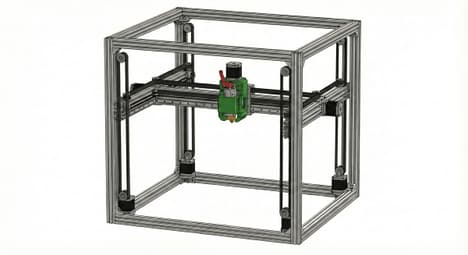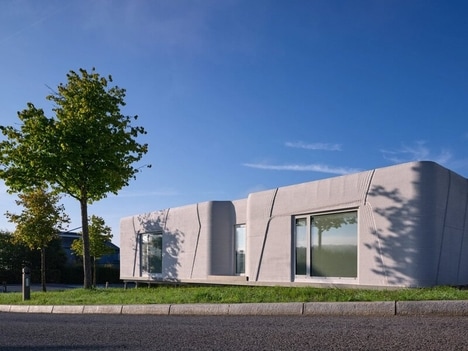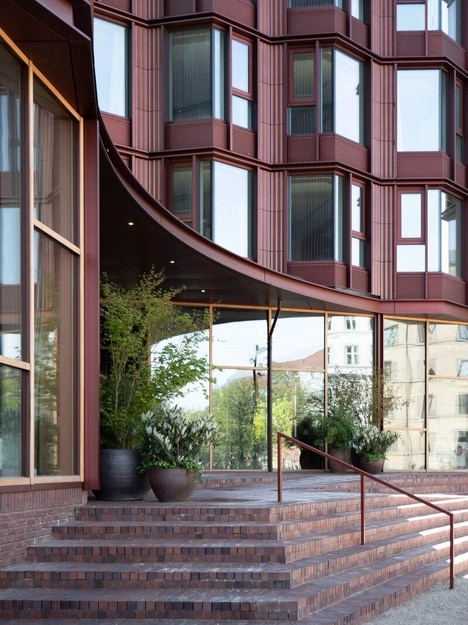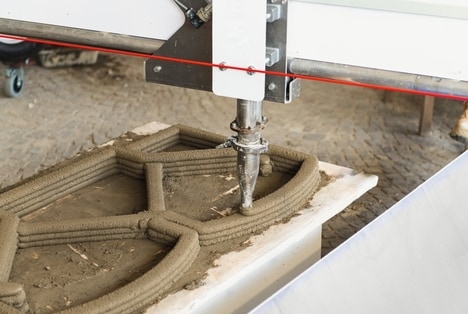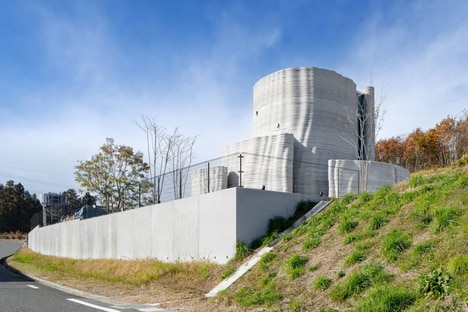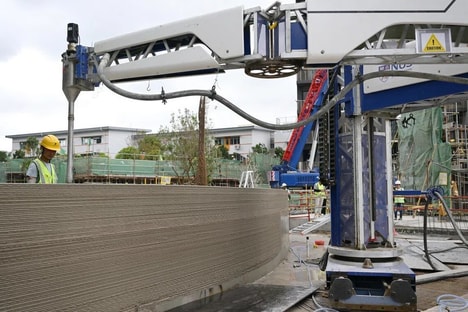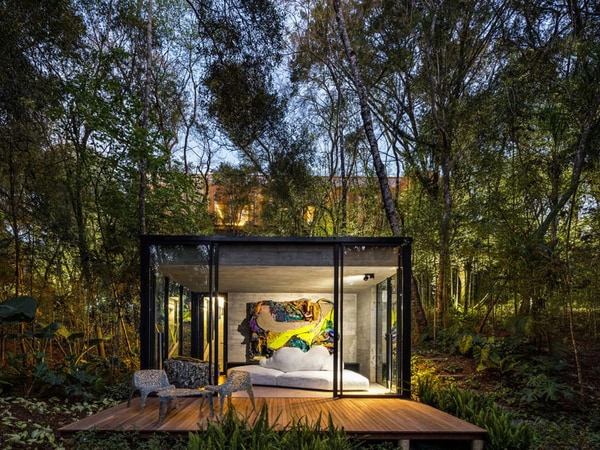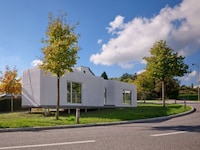
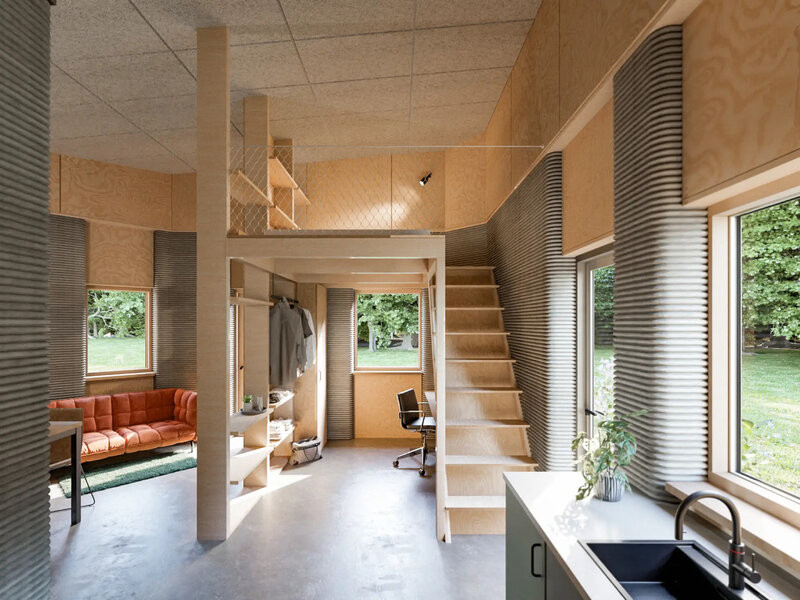
3DCP Group completed the Skovsporet student housing project in Holstebro, Denmark, delivering 36 single-story 3D-printed apartments designed by SAGA Space Architects and MS+. The homes were printed with a COBOD BOD3 and include a kitchen, study area, lounge, bathroom, and sleeping area, with large roof windows and slanted ceilings to bring daylight into each unit.
The development covers 1,650 m², with individual apartments ranging from 39 to 50 square meters, and the total build took one year. Exterior and interior finishes combine 3D-printed concrete with cork panels, glass, and conventional roof structures. The concrete mix included FUTURECEM by Aalborg Portland and D.fab.
For students, the result is compact, daylight-filled homes that meet Danish subsidized housing targets and local construction regulations. The repeated-print workflow across six clusters demonstrates a scalable production approach, offering an efficient model for affordable, community-focused housing.
Image Credit: 3DCP Group
What's Driving This Trend
- 3d-printed Housing
- Layer-by-layer concrete construction introduces faster, repeatable building methods that can reduce labor constraints and expand scalable affordable housing models.
- Compact Student Living
- Small-format apartments with integrated study, lounge, and sleeping areas reflect demand for space-efficient residences tailored to education-focused communities.
- Low-carbon Concrete Materials
- Cement blends such as FUTURECEM signal a shift toward lower-emission construction inputs that support more sustainable large-scale housing production.
Who This Affects Most
- Construction Technology
- Robotic printing systems and standardized digital workflows create new possibilities for automated residential construction across repeatable building typologies.
- Affordable Housing
- Subsidized housing providers can benefit from scalable production models that balance regulatory compliance, cost control, and livable design quality.
- Architecture and Design
- Hybrid material palettes combining printed concrete, cork, glass, and conventional structures expand creative approaches to durable, daylight-oriented residential spaces.