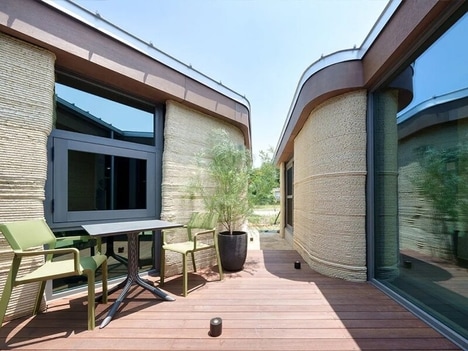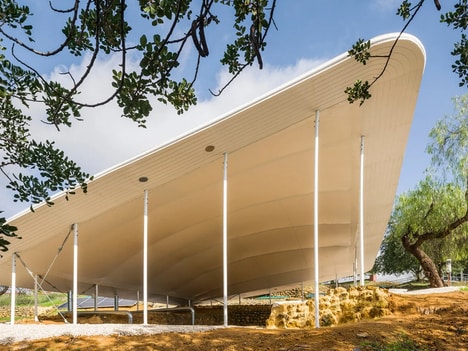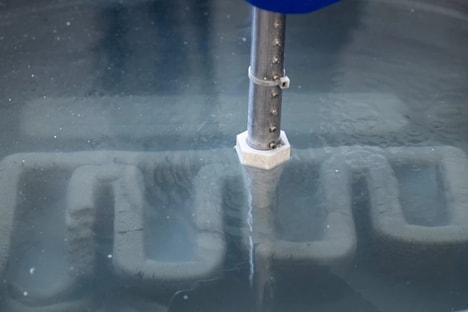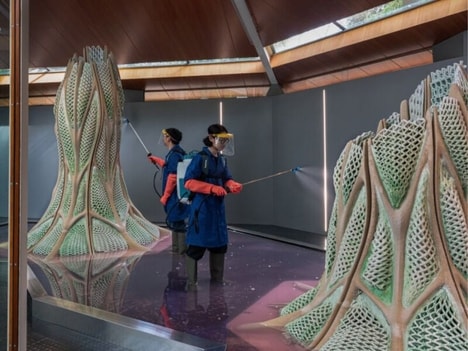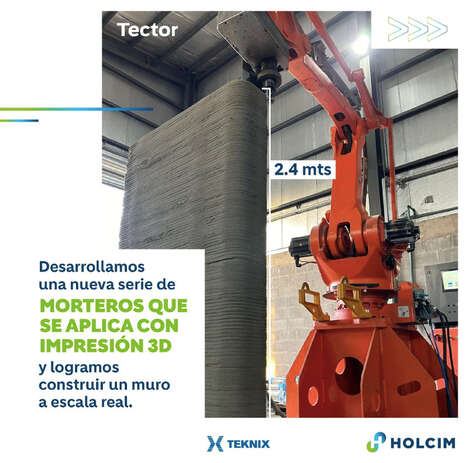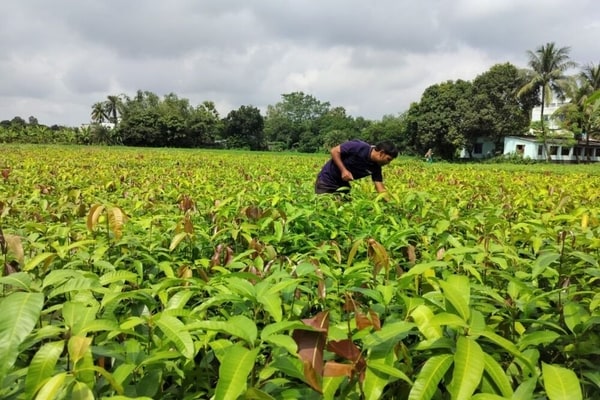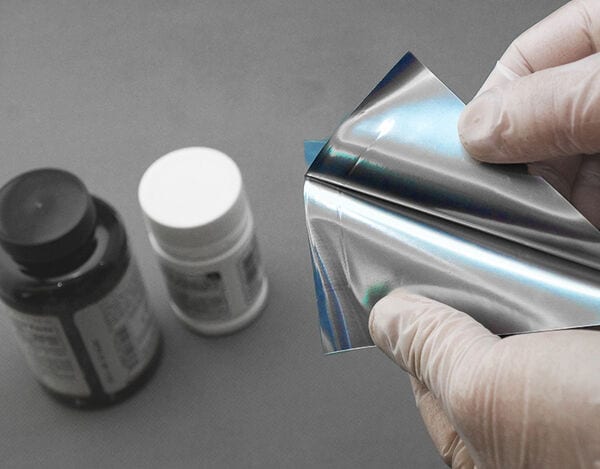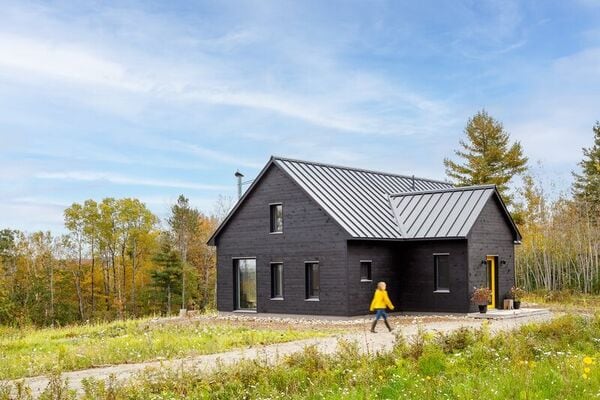
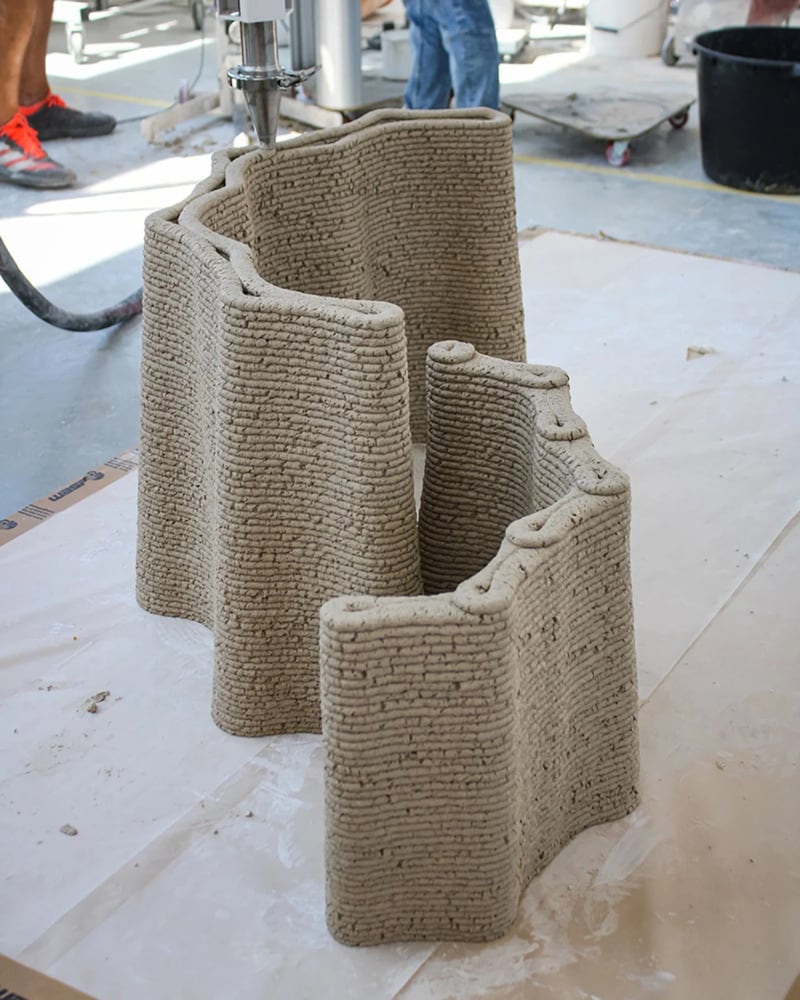
The MANUFACTURA CORNCRETL project is a bio-based construction initiative that takes an unexpected approach to building materials for an organic touch. The project sees limestone aggregate blended with dried corn residues and recycled nejayote, which boasts salvaged waste materials that would otherwise be discarded. The project then sees the material used in a WASP Concrete HD Continuous Feeding System with a KUKA robotic arm to use it as a building material for 3D printing.
The MANUFACTURA CORNCRETL project is rated to achieve up to a 70% reduction in carbon emissions when compared to concrete simply by using the waste materials. The project identifies how organic waste could be salvaged in Mexico and transformed into an effective, versatile building material for fabrication purposes.
Key Themes Behind This Trend
- Bio-based Construction Materials
- Blending agricultural residues with mineral aggregates creates low-carbon composites that could displace conventional Portland cement in mid-rise structures.
- Waste-to-building Feedstock
- Transforming food-processing effluents and crop residues into stable, printable material streams introduces new supply chains for circular-material sourcing in construction.
- Robotic 3d-printing for Low-carbon Fabrication
- Integrating continuous-feed extrusion systems with industrial robotic arms enables precise deposition of heterogeneous bio-composite mixes for on-site, form-flexible construction.
Where This Applies
- Commercial Construction
- Adoption of bio-composite printable materials could shift project specifications toward prefabricated, low-embodied-carbon building components.
- Agricultural Processing
- Processors of corn and other crops could evolve into upstream suppliers of engineered feedstocks by valorizing residues and wastewater streams.
- Robotics and Automation
- Manufacturers of robotic manipulators and continuous-feed extrusion platforms may expand into integrated systems optimized for heterogeneous, bio-based material handling.