
Category
Eco
Ownership Ease
Zero-waste delivery services help consumers reduce their personal impact.

What's Happening
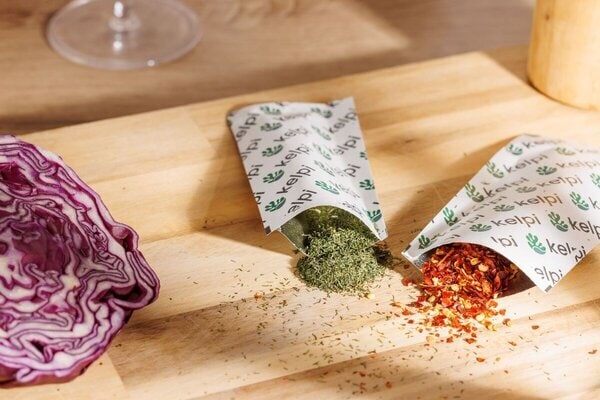
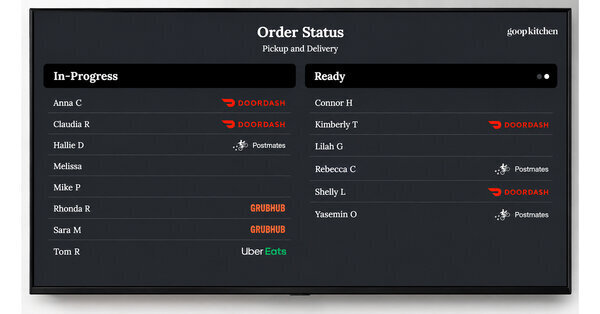
Zero-Waste Delivery: Most of consumers' purchase decisions affect the environment, especially when delivery is involved--with additional transportation and packaging raising the impact of these services. Now, zero-waste delivery services are helping customers reduce the impact of some of their purchases.
Insight
Living in a way that's actually sustainable can be difficult, since many modern conveniences that consumers are accustomed to have a negative impact on the environment. Some eco-conscious consumers are beginning to understand that in order to truly reduce their impact, they'll have to make some sacrifices when it comes to convenience. These consumers are turning to brands that prioritize effective forms of sustainability, even if it means a little more effort on their end.
Evidence
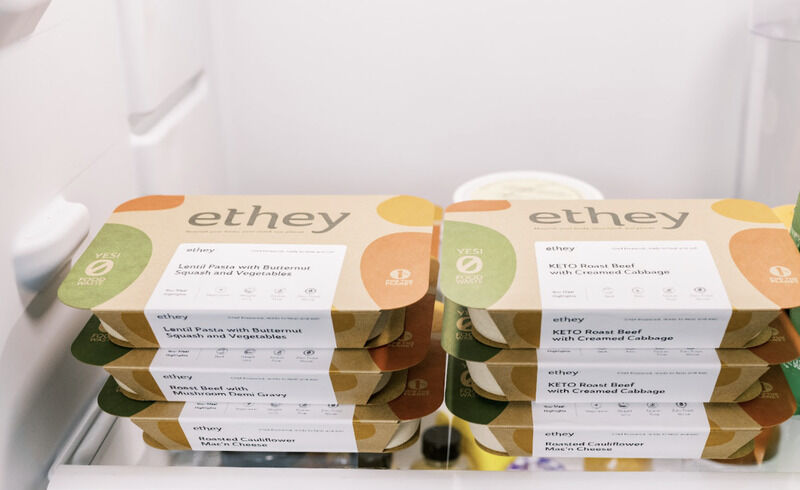
'Ethey' is a Home Delivery Service for Meals That are 100% Zero-Waste
The food delivery service industry can improve its sustainability by implementing closed-loop services and zero-waste packaging solutions.
Just Eat Takeaway Favors Seaweed Instead of Plastic for To-Go Boxes
Food delivery services can differentiate themselves in the market by offering eco-friendly, seaweed-based packaging for their takeout orders.
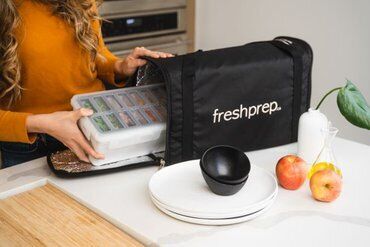
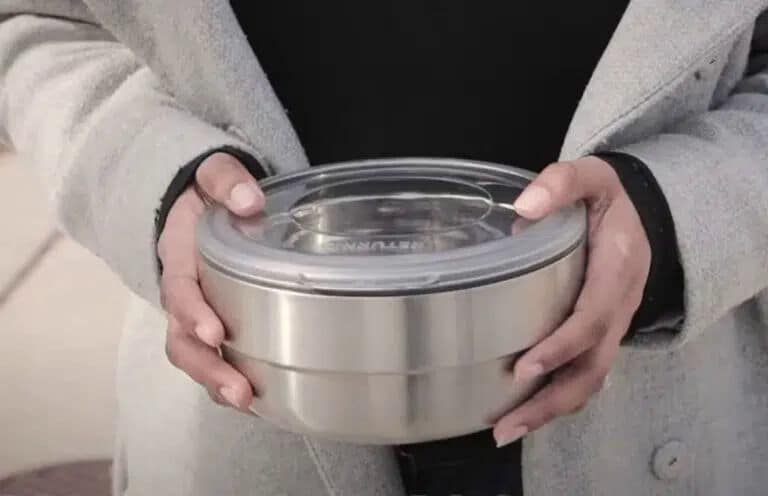
Fresh Prep's Zero Waste Kit is Packaged in a Reusable Container
Meal kit delivery services can tap into consumers' growing demand for sustainable and zero-waste products, offering innovative solutions like reusable containers.
Inwit Minimizes Waste with NFC-Equipped Containers
Inwit's model could disrupt the food delivery industry as more customers become accustomed to reusable containers and demand eco-friendly options from their favorite restaurants a…
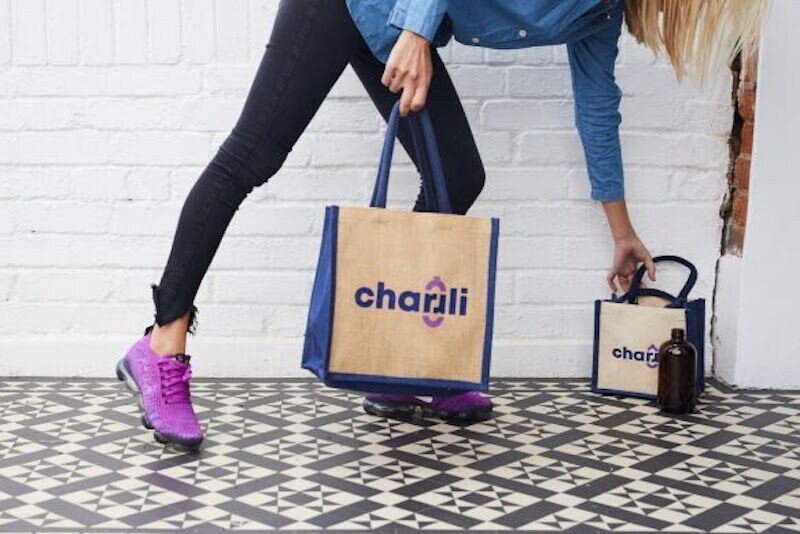
charrli Revives the Milkman Model for Modern Life
Providing innovative solutions for reducing packaging waste.
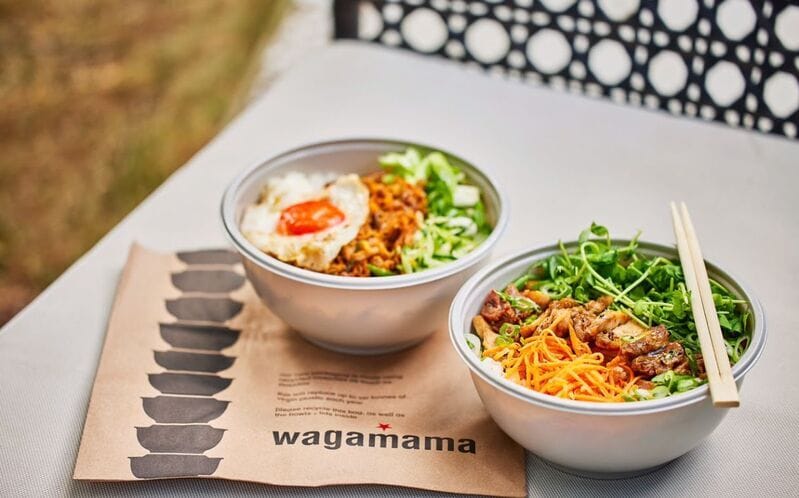
Wagamama is Introducing Recyclable Delivery Bowls
The food service industry should embrace sustainable packaging to reduce its environmental impact and meet the demands of consumers who are increasingly eco-conscious.
Workshop question
How could your brand more effectively tackle sustainability?
Trend signals
Trend score 5.3 out of 10, from popularity 77%, activity 70%, freshness 12%.
Trend themes
The zero-waste delivery trend is gaining momentum as consumers become more environmentally conscious, creating opportunities for companies to develop more sustainable delivery models.
Companies like charrli and Fresh Prep are introducing reusable packaging solutions, offering a scalable alternative to single-use plastics and other environmentally harmful materials.
Ethey's closed-loop delivery model, featuring an on-site worm farm that turns food and packaging waste into fertilizer, shows the potential for a more sustainable food system that prioritizes circularity.
Industry implications
As consumers shift towards more sustainable consumption habits, companies that offer zero-waste meal kits, closed-loop delivery models, and reusable packaging solutions have an opportunity to capture market share in the food delivery industry.
Restaurants and catering companies that prioritize environmentally friendly practices, such as using compostable packaging and reducing food waste, can appeal to a growing customer base that values sustainability.
The rise of zero-waste delivery services presents an opportunity for logistics and transportation companies to develop more sustainable delivery models that reduce emissions and waste.