Category
Fashion
Code Switching
Hair care devices are combining multiple functions and vibration-based features.
What's Happening
Tool Convergence: Brands are reframing familiar hair tools like brushes and flat irons as upgraded performance products. Hair styling devices are moving beyond single-purpose formats through features such as vibration, ionic output and multi-use attachments. The category is shifting from basic appliances to feature-stacked devices that aim to do more in one pass.
Why It's Happening
The personal care category has matured to an extent where tech-led upgrades and more targeted treatments are expected. Consumers are prioritizing performance-forward choices that do not compromise usability in everyday routines. Convenience, visible results, and practicality remain top of mind in the beauty maintenance category, as individuals are seeking multi-tasking functionality and performance-driven solutions that save time and energy while delivering strong results and helping them declutter.
Evidence
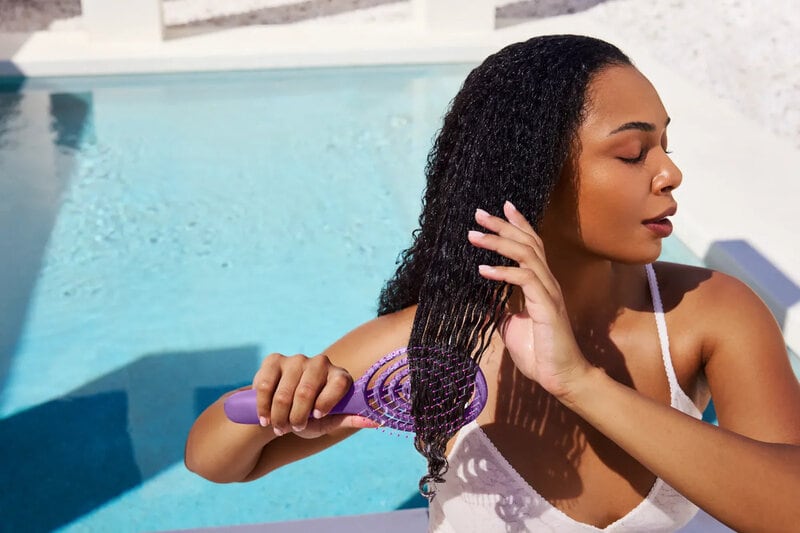
The OO!brush is the First and Only with Harmonic Resonance Technology
Advanced detangling tools can expand the category beyond formulas by pairing mechanical innovation with strand protection and shine enhancement.
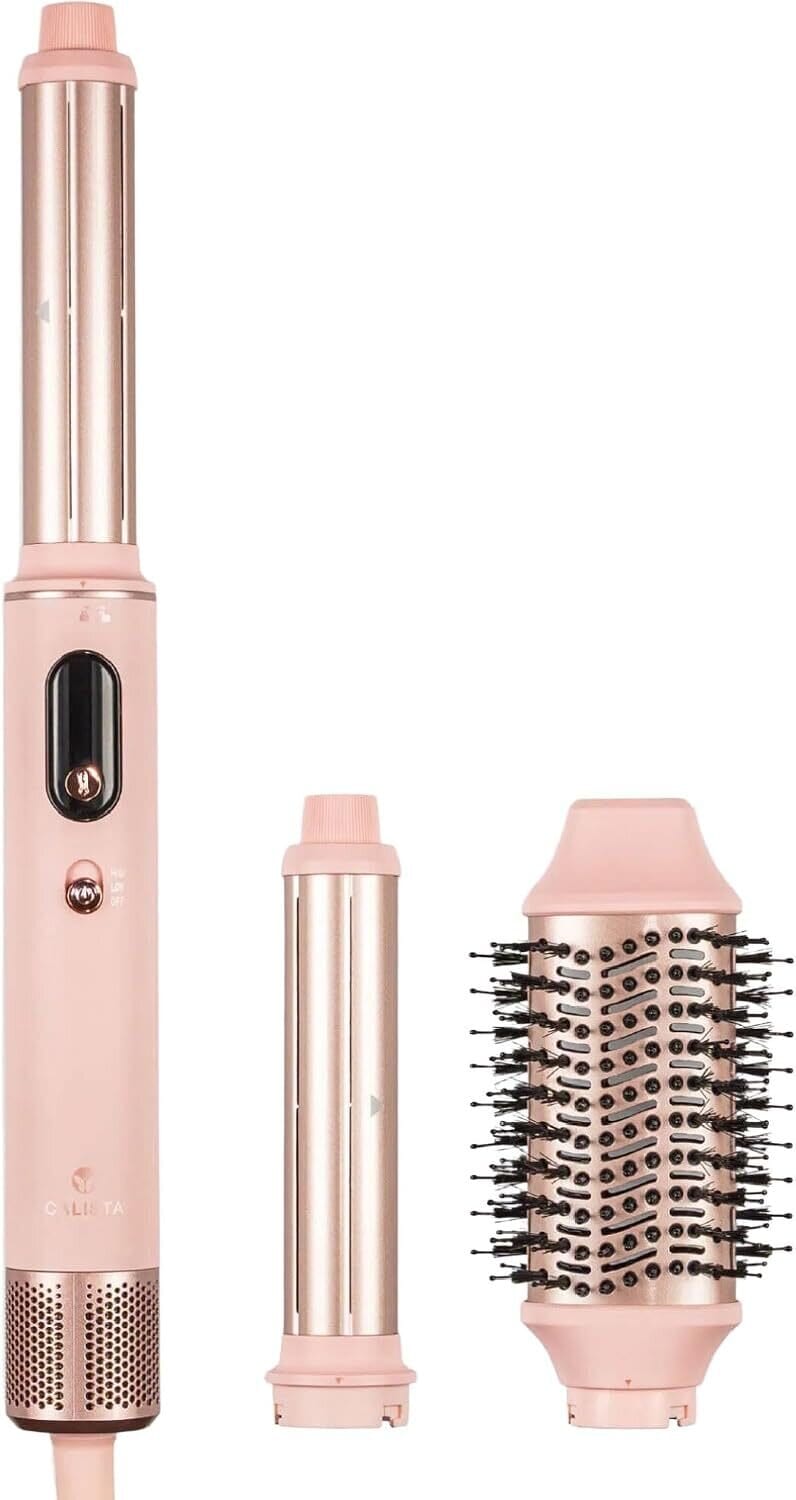
Calista's EliteAir Multi-Style Dryer Gen 2 is Versatile
The rise of versatile air stylers is reshaping hair care around device-led routines that merge product performance with at-home salon convenience.
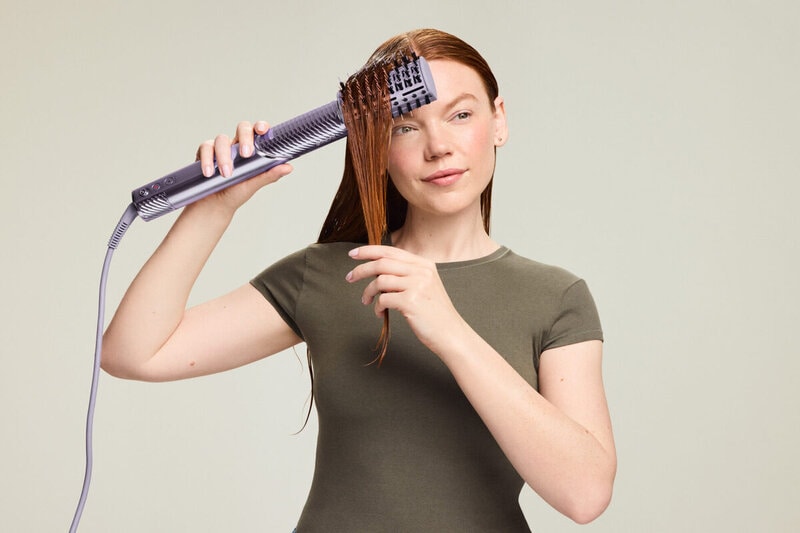
The Shark FlexStyle IonCurl Upgrades the Styling Platform with Improved Airflow
Connected performance improvements in at-home tools are expanding opportunities for brands to merge salon-quality results with consumer-friendly device design.
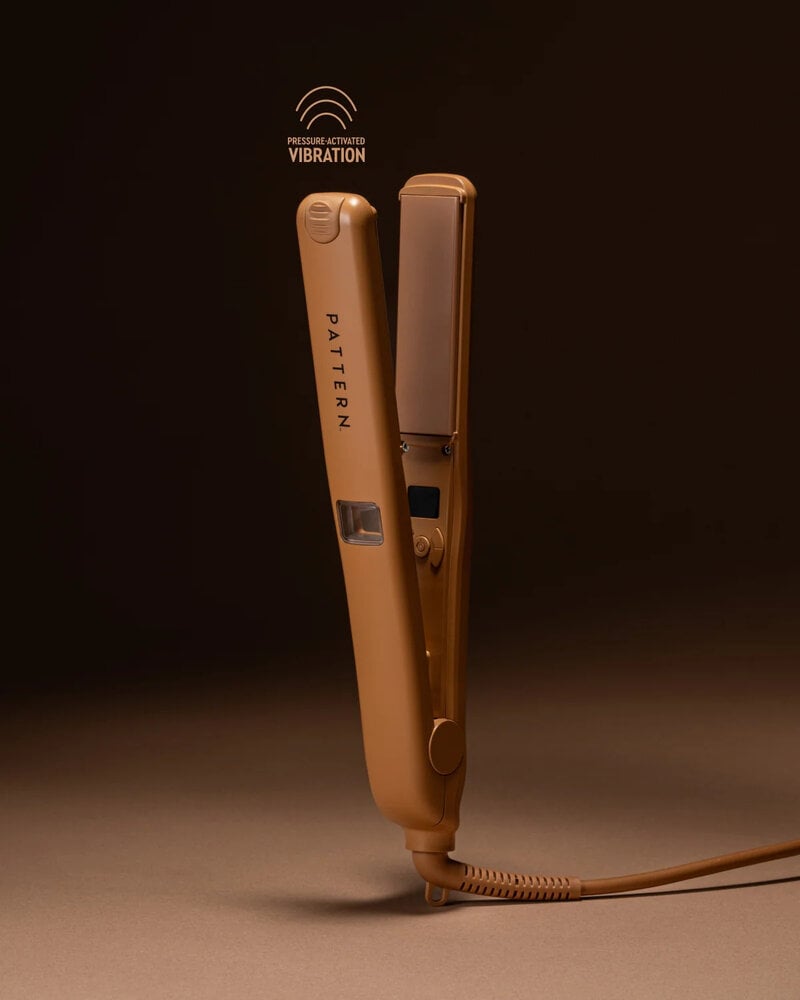
Pattern's New Heated Styler Helps Strands Slide Smoothly and Quickly
Advanced styling tools with friction-reducing technology create room for differentiated products that balance performance, speed, and reduced strand stress.
Workshop question
How could your brand combine multiple tasks into one offering without making the experience feel more complex?
Trend themes
Hair tools are evolving into modular systems that combine drying, curling, smoothing and brushing, creating space for adaptable devices that reduce routine steps while supporting future attachment-based upgrades.
Vibration technology is being applied to brushes and heated stylers to reduce friction, tugging and breakage, signaling potential for gentler performance tools designed around fragile, textured or sensitive hair needs.
Advanced features such as ionic output, airflow optimization and digital heat control are raising consumer expectations for everyday appliances, opening room for accessible devices that deliver salon-like outcomes at home.
Industry implications
The shift toward feature-stacked devices is expanding the appliance category beyond utility, with connected, modular and sensor-based formats reshaping how consumers evaluate value and performance.
Retailers can benefit from growing demand for demonstrable hair-tech benefits, as premium-yet-accessible tools create stronger merchandising opportunities around education, comparison and routine simplification.
Beauty devices are increasingly borrowing from electronics innovation, where compact motors, precision controls and ergonomic engineering can redefine personal grooming as a high-performance tech category.
Trajectory
Latest reading 9.0 for the week of Aug 17, 2026. Holding over the final 3 scored weeks (±0.0), at its peak of 9.0. Momentum 8.0/10, persistence 2.5/10.
4 featured from 4 articles in the wider cluster over 2 weeks. 4 evidence articles across 2 weeks, 2.0 a week on average. Busiest was Aug 10 with 2. Scores as of the week of Aug 17, 2026.