Category
Lifestyle
Baseline Support
Professionals take cues from the nerd world to enhance their skills.


What's Happening
Tech-Aided Training: Doctors, athletes and dentists are increasingly using technologies like RFID tags, Twitter and immersive video games to enhance their training. By embracing the same principles as military pilots and virtual reality simulators, these professionals can sharpen their skills at a faster, more cost-effective pace.
Evidence
Virtual Reality Used to Simulate Dental Implantations
Integrating virtual reality and gamified training solutions into dental education programs.
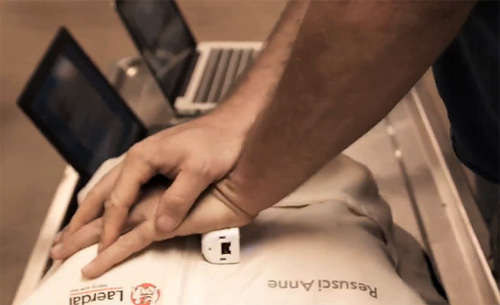
CPR Certification Taught by the Wii
Opportunity to incorporate gamification and VR training into healthcare education and training programs, improving patient care and outcomes.
Social Network-Savvy Doctors Share Step-by-Step With Students
Medical education stands to benefit from the integration of social media tools and real-time updates during procedures, providing students with a more immersive experience and mor…
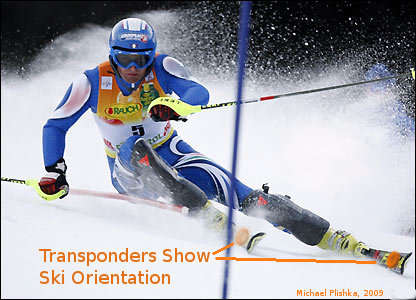
RFID Ski Position Feedback System
Development of advanced technology solutions to enhance athlete training and performance.
Trend signals
Trend score 2.6 out of 10, from popularity 48%, activity 21%, freshness 8%.
Trend themes
Professionals are turning to immersive technologies like virtual reality simulators and video games to enhance their skills at a faster, more cost-effective pace.
Sports coaches and medical professionals are using real-time feedback systems like RFID to improve performance and optimize techniques.
Virtual reality simulations and video games are being used to teach complex skills, such as dental implantations and CPR certification, in an engaging and effective way.
Industry implications
Virtual reality simulators and social media platforms can help medical professionals stay up to date with the latest techniques and share knowledge with their peers more effectively.
Real-time feedback systems like RFID can help athletes and coaches optimize techniques and measure performance more accurately.
Gamification and virtual reality simulations can provide a more engaging and effective way of teaching complex skills and concepts to students at all levels.