
Category
Lifestyle
Baseline Support
Artists use defensive tech to stop unauthorized AI training on their work.
What's Happening
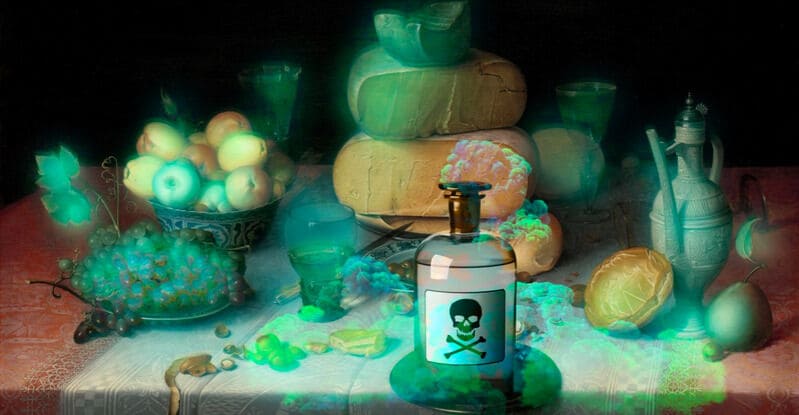
Protective Digital Art: As generative AI systems increasingly rely on scraping vast amounts of online content, artists are turning to new protective technologies to safeguard their intellectual property. Unlike traditional legal or cryptographic protections, these solutions intervene directly at the technical layer, making it harder for unauthorized AI models to exploit creative work.
Insight
As AI blurs the line between human creativity and machine output, consumers are growing uneasy about ownership, consent, and exploitation. Artists fear their work is repurposed without acknowledgment, echoing wider anxieties about data misuse. For brands, addressing these tensions directly is crucial -- showing respect for creative rights and transparency builds cultural credibility and strengthens trust in an increasingly skeptical market. Just as “organic” or “fair trade” labels became shorthand for consumer values in past decades, “artist-protected” may emerge as a new marker of integrity in the creative economy.
Evidence
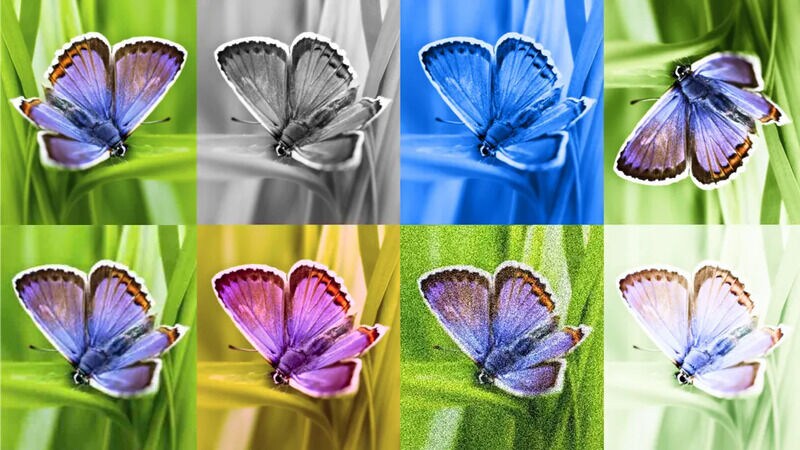
Nightshade Protects Digital Art from AI Theft
Nightshade addresses concerns of AI theft by providing a defense mechanism for digital artwork.
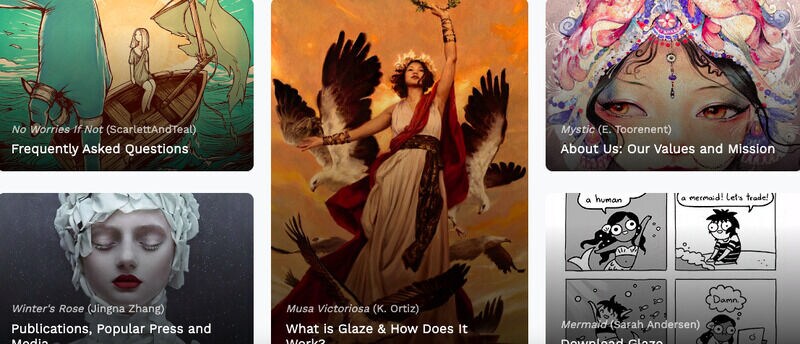
Glaze Protects Artists by Preventing AI from Mimicking Their Unique Styles
The development of tools like Glaze signifies innovative advancements in the intellectual property technology sector, aiming to shield artists' creations from AI infringement.
Google DeepMind Offers a New Way to Watermark AI-Generated Images
With the rise of AI-generated images, the artificial intelligence industry can benefit from developing watermarking tools to address the issues of authenticity and copyright infri…
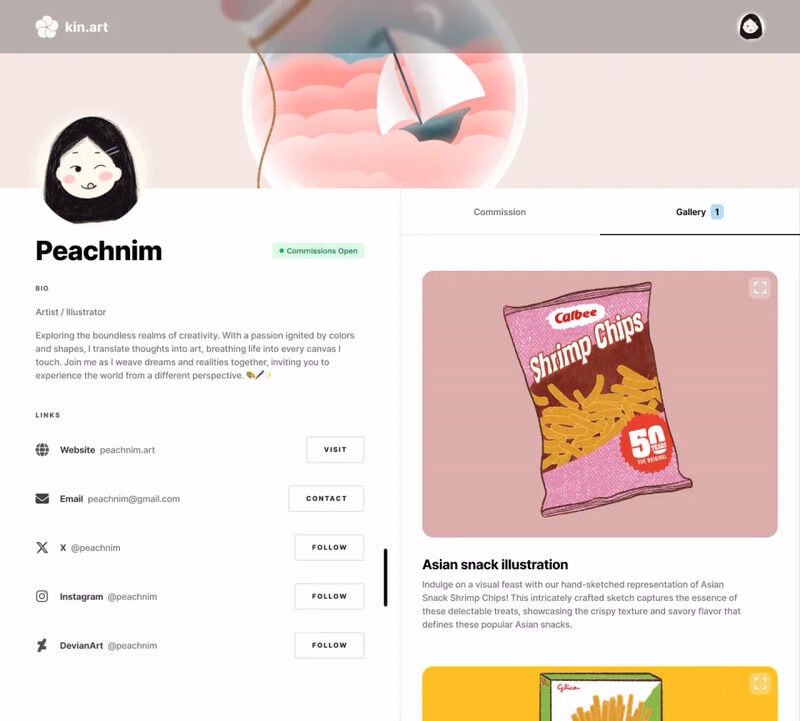
Kin.art Launches a Free Tool to Prevent AI Models from Training on Artwork
The AI art generation industry can benefit from Kin.art's tool to respect artists' rights and prevent unauthorized usage of their artwork in AI model training.
Workshop question
How might openly supporting creator protections shape public perception and strengthen trust in your brand?
Trend signals
Trend score 3.4 out of 10, from popularity 34%, activity 23%, freshness 45%.
Trend themes
As generative AI technologies become more pervasive, the demand for AI-resistant art tools that preserve the originality of artistic creations is surging.
The increasing call for ethical AI development focuses on tools that emphasize transparency and consent, aligning with consumer concerns about unauthorized data usage.
Digital rights management is evolving with a new wave of products designed to counteract unauthorized exploitation of creative works in the AI realm.
Industry implications
Innovations intersecting at art and technology aim to protect artists' rights amid the rise of AI-generated content and style replication.
The creative industry's intersection with cybersecurity presents opportunities for solutions that safeguard intellectual property from AI exploitation.
Industries focused on controlling generative AI outputs are pioneering mechanisms to maintain integrity and prevent unauthorized uses of digital content.