Category
Lifestyle
Bathroom Biometrics
Brands campaign for policies addressing women's concerns in the workplace.



What's Happening
Menstrual Campaigning: Brands and charitable orgs are addressing how women's health can impact their employment. These brands are raising awareness about how PMS and menopause symptoms can impact one's ability to work, and campaigning for policies (like paid leave) that address this concern.
Insight
Brands are addressing gender discrimination through updated hiring practices, maternity leave, education, and pay equity. However, some of the challenges women face in the workforce are less outwardly visible--but have a significant impact nonetheless. Menstruation and menopause symptoms can impact performance and cause unintended gender gaps at work. Brands that address these concerns with paid leave and extended benefits create more supportive and (therefore productive) workplaces.
Evidence
Intimina Launched Useless Spanish Lessons for Menstrual Hygiene Day
Advocacy for menstrual leave policies presents an opportunity for disruptive innovation in HR and benefits management.
Elektra Health Supports & Educates Women Experiencing Menopause
Women's healthcare providers can harness digital platforms to provide specialized menopause support and improve patient outcomes.
U by Kotex® Covers Workout Cancellation Fees for Menstrual Cramps
The fitness sector stands to benefit from implementing period-friendly policies, which can attract a broader clientele and improve member retention.
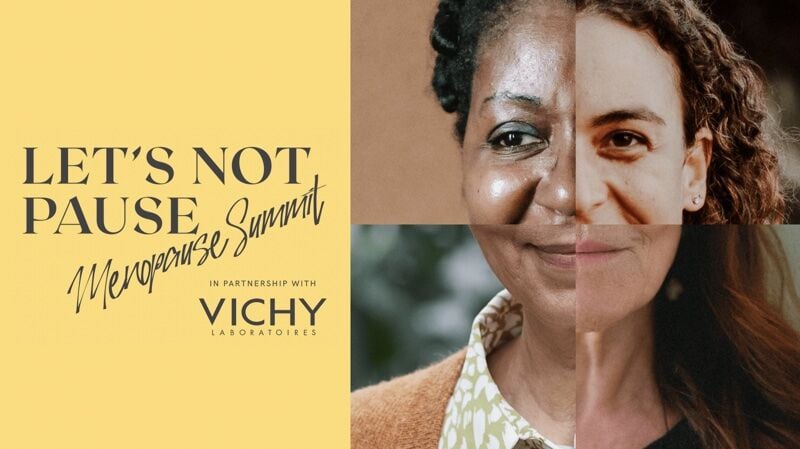
Vichy Teams with AllBright Network for its First Menopause Summit
Beauty industry players have the opportunity to create products and solutions that target menopausal women, including skincare, haircare, and supplements.
The UK Civil Service Signs a Menopause Workplace Pledge
Human resources departments have an opportunity to develop policies and initiatives that address the impact of menopause in the workplace and support employees going through this…
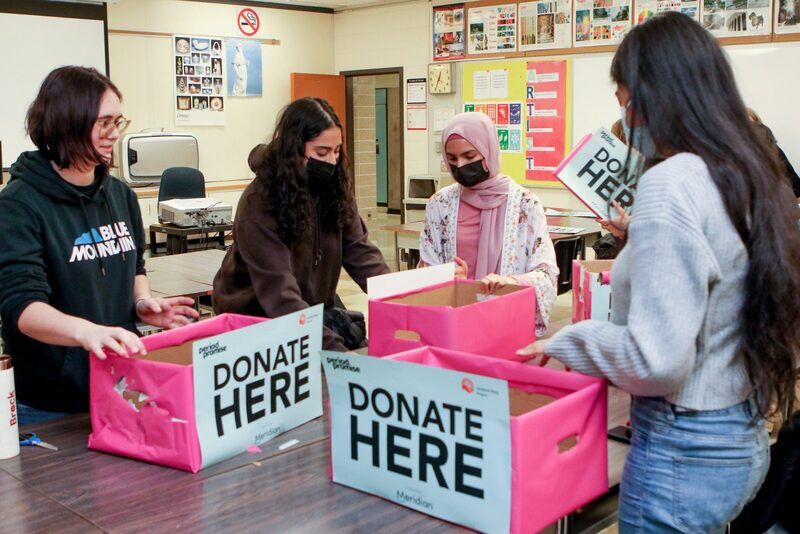
The Period Promise Campaign Makes Basic Hygiene Goods More Accessible
Develop a line of affordable menstrual products that can cater to different income groups, particularly those who belong in low-income communities.
Workshop question
How could your brand create a more supportive and equitable working environment?
Trend themes
Brands are raising awareness about how PMS and menopause symptoms can impact one's ability to work, and campaigning for policies (like paid leave) that address this concern.
Elektra Health is a next-gen women's health platform that provides evidence-based education, care, and community for women experiencing menopause.
The UK Civil Service has signed the Menopause Workplace pledge, reinforcing their commitment to acknowledge and address the impact of menopause and provide active support to affected women.
Industry implications
Beauty brands like Vichy collaborate with women's networks to host menopause summits, creating opportunities for education and support in the beauty industry.
Next-gen women's health platforms like Elektra Health disrupt the healthcare industry by offering evidence-based education, telemedicine care, and community support for women experiencing menopause.
The UK Civil Service's commitment to addressing menopause in the workplace sets an example for other government organizations to provide support and create open dialogue around this life stage.
Trend signals
Trend score 4.0 out of 10, from popularity 51%, activity 42%, freshness 26%.