Category
Tech
Automated Upkeep
As life goes online, showing your inner geek is the only way to stay ahead.
Trend
Mainstream Geekhood: Cool and intelligent used to imply two different categories, but as the world goes online, the geeks are set to rule the earth. Even those who aren’t nerds are getting in on the geek action (a former oxymoron). From fashion statements to elaborate Web page design, products that celebrate geek-hood and nerd-dom are in.
Trend themes
The rise of the internet and social media has allowed for geek culture to become mainstream, leading to the popularity of products catering to this demographic.
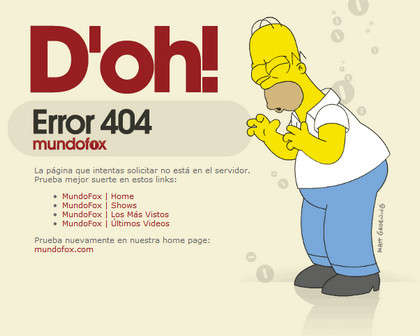
Incorporating humor into traditionally frustrating experiences, such as error messages, can create a positive and memorable user experience.
As social media continues to dominate today's methods of communication and information sharing, businesses can benefit by creating products that complement this lifestyle.
Industry implications
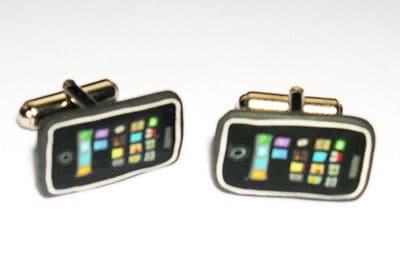
Fashion brands can create products that cater to the growing popularity of geek culture, such as iPhone cufflinks.
As websites and software develop, incorporating humorous and creative error messages can improve the user experience and lead to increased engagement with the product.
Social media lifestyles can be a valuable tool for marketing professionals, who can use these platforms to connect with a wide range of consumers.
Trend signals
Trend score 4.0 out of 10, from popularity 49%, activity 63%, freshness 8%.
Evidence
Websites Make Getting Lost Funny with Original 404 Pages
Web designers can offer innovative 404 page designs as a value-added service to their clients.
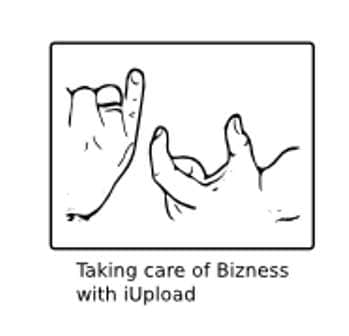
Geeky Hand Signals for Hardcore Bloggers
Opportunity for entertainment companies to create content that appeals to the geek culture, such as TV shows, movies, and video games.
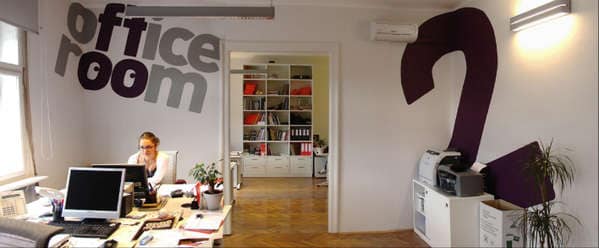
Branimir Sabljic's Decor is Perfect for Word Nerds
Interior designers can embrace the dictionary-based design trend to create unique and engaging spaces.
Apple Phones Go to a Whole New Fashionably Geeky Extreme
The fashion industry can partner with technology firms to create new lines of tech-inspired accessories to cater to the growing demand for geeky fashion accessories.