

Category
Lifestyle
Baseline Support
Consumers prioritize waste-reduction while cooking at home.
What's Happening
Low-Waste Cooking: Brands are helping consumers who are trying to limit the amount of food and packaging waste they use with products and services that empower them to reduce waste while they're cooking at home. Everything from cooking shows to cooking planner apps are helping consumers do this.
Insight
As the ecological consequences of waste, pollution and climate change are increasingly known by the average consumer, there is a growing demand for brands to help people reduce their personal impact. People are more likely to adjust their lifestyles with protecting the environment in mind, and brands are having to adapt to meet to this growing demand.
Evidence
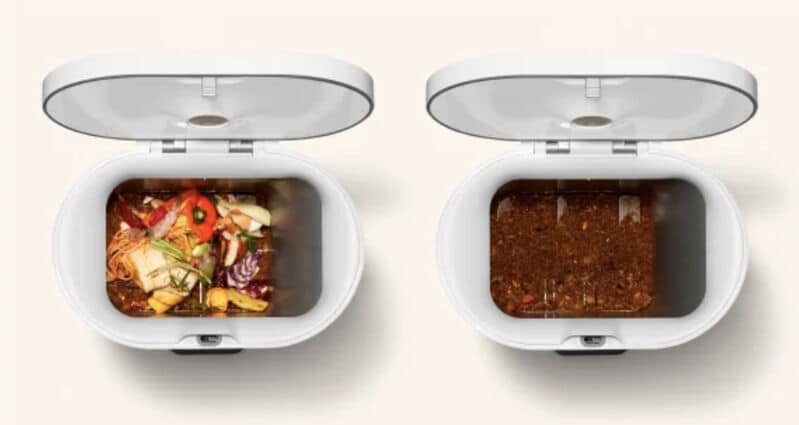
Mill is a New and Revolutionary Kitchen Food Scrap Bin
Automated food scrap management is a possible trend within the waste management industry, allowing for more efficient and sustainable waste disposal.
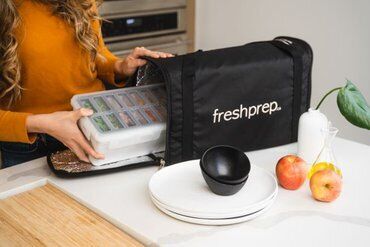
Fresh Prep's Zero Waste Kit is Packaged in a Reusable Container
Meal kit delivery services can tap into consumers' growing demand for sustainable and zero-waste products, offering innovative solutions like reusable containers.
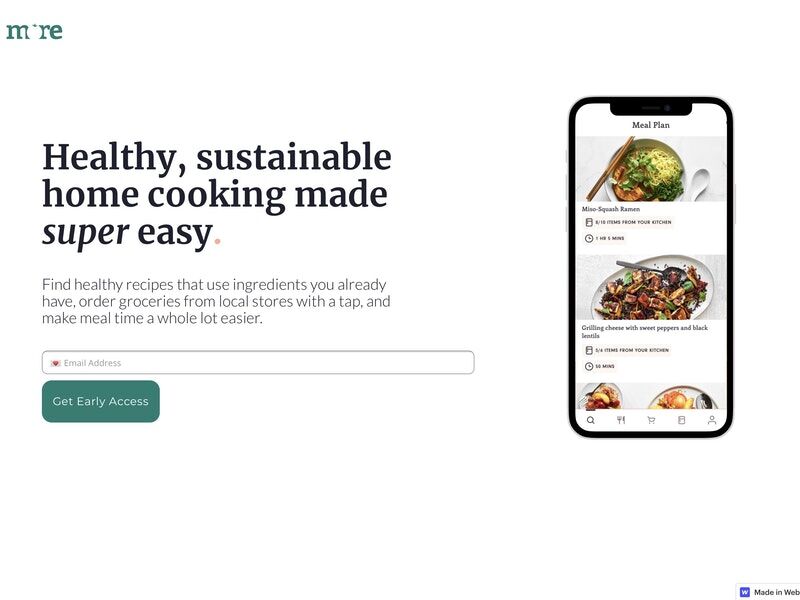
The 'More' Meal Planner App Makes it Easy to Find Great Recipes
Meal planner apps and recipe finders offer opportunities for food delivery services to integrate with their platforms and offer a one-stop-shop for meal planning and delivery serv…
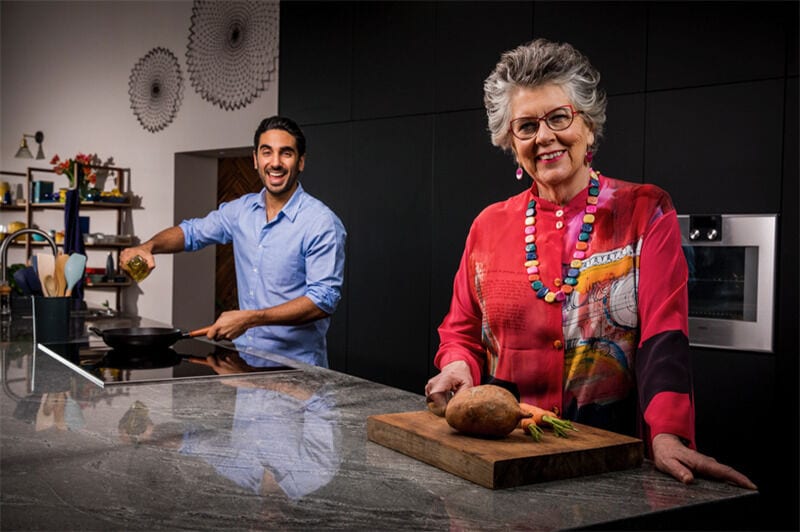
Cook Clever, Waste Less with Prue & Rupy Helps to Save Food & Money
The Cook Clever, Waste Less series presents opportunities for businesses in the sustainable kitchen tools and equipment market to offer efficient and eco-friendly solutions that e…
Tesco's Community Cookery School Repurposes Surplus Food
Supermarkets have an opportunity to develop waste reduction programs like the Tesco Community Cookery School to engage with customers and reduce their own food waste.
Workshop question
How is your brand empowering its customers to be more eco-friendly?
Trend signals
Trend score 5.1 out of 10, from popularity 76%, activity 64%, freshness 13%.
Trend themes
As people prioritize waste-reduction while cooking, brands are innovating with products and services that empower them to reduce waste and meet their demand.
As the demand for food delivery continues to grow, zero-waste meal kits and reusable containers can solve the issue of plastic waste and reduce the carbon footprint.
Next-gen kitchen food scrap bins with automated technology to shrink food scraps through dehydration and upcycle them into fertilizer for farms can address the global problem of food waste and global emissions.
Industry implications
Innovating with sustainable packaging and zero-waste meal kits can attract more customers from the eco-conscious market and reduce the carbon footprint of food delivery services.
Developing high-tech kitchen food scrap bins that can be used at home and create benefits for the environment creates opportunities for consumer electronics companies to offer more eco-friendly products.
Creating cooking shows and branded entertainment focused on sustainability and reducing food waste can engage and educate consumers about how to make the most of their food, saving them money and reducing their impact on the environment.