Category
Business
Visit Magnet
Literature-inspired fashion offers play on fantasy and reality.
What's Happening
Novel Style: Fashion designers and editors are inspired by numerous elements, but lately, the industry has seen a rise in designs and editorials influenced by literature. Offering stylish translations of classic tomes such as The Great Gatsby and Wuthering Heights, and even the modern-day cult favorite 50 Shades of Grey, these literary interpretations allow consumers to experience a piece of romantic fantasy while looking chic and stylish at the same time.
Evidence
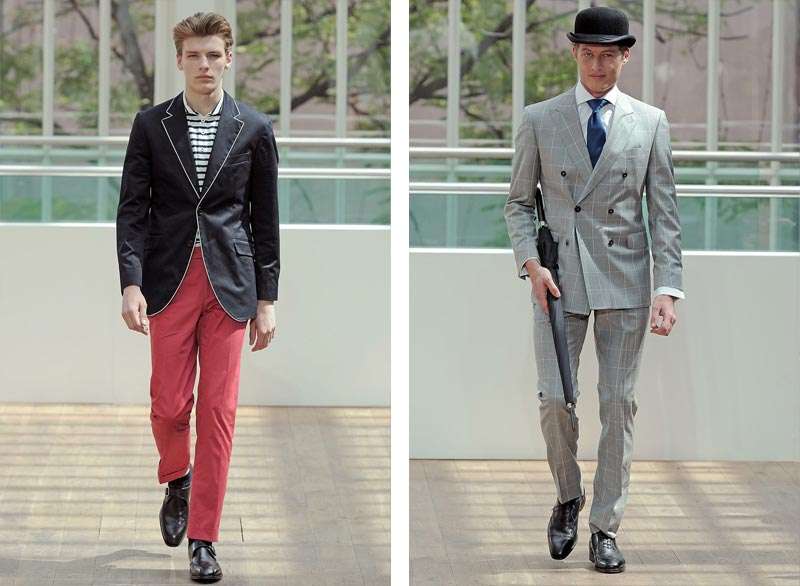
The Hackett London Spring/Summer 2013 Collection Shows Contemporary Classics
Luxury menswear brands can leverage the demand for classic and elegant styles, incorporating high-quality materials and precision tailoring techniques to cater to the modern gentl…
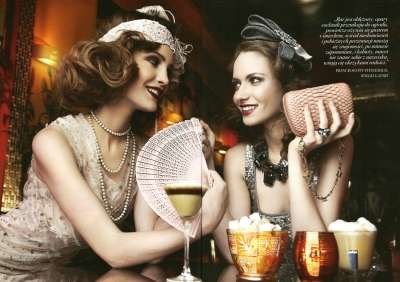
Maciej Bernas Snaps Fashion Magazine 'The Great Gatsby' Editorial
The fashion industry can leverage the interest in vintage fashion to create new collections that combine elements of the 1920s with contemporary designs, offering consumers a uniq…
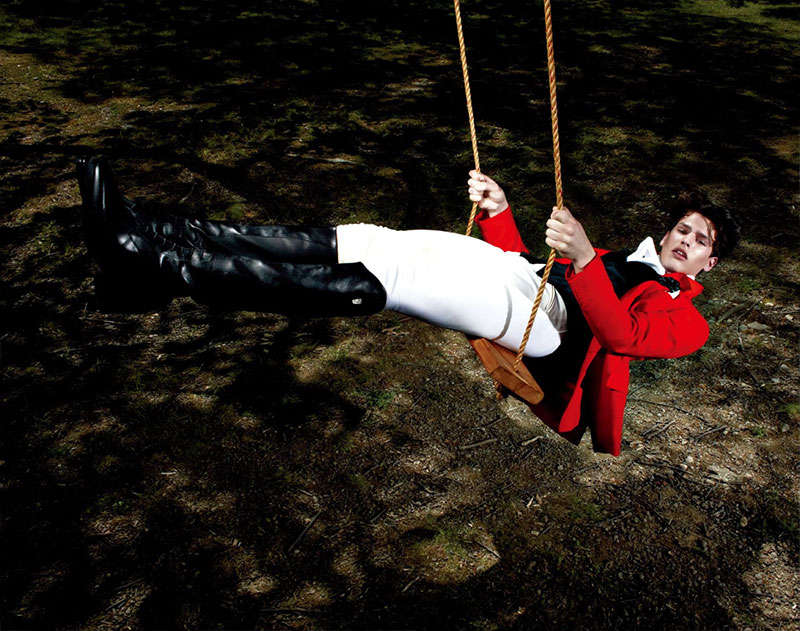
The Latest Issue of Numero Homme China Uses a Hedonistic Aristocrat
The luxury menswear fashion industry can capitalize on the brooding aristocratic edge similar to the Oscar Wilde-inspired look in the Autumn 2012 issue of Numero Homme China.
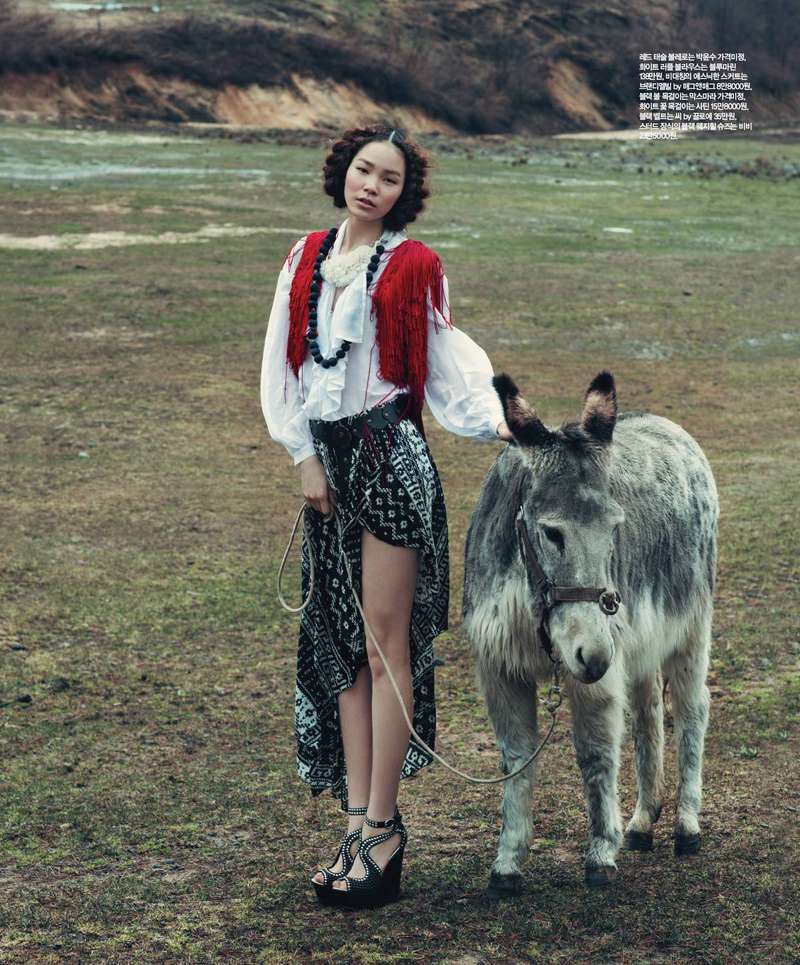
The Singles Korea May 2012 'Wuthering Heights' Editorial is Natural
Innovative photographers can explore new ways to showcase fashion by incorporating natural themes and animal interactions in their work.
Trend themes
Fashion designers are using elements from classic literature to create stunning designs that bring together a sense of romance and style.
Fashion brands are using literary classics to create timeless and elegant clothing collections.
Designers are creating menswear that is inspired by popular novels, such as Fifty Shades of Grey, to tap into consumer interest in the latest trends.
Industry implications
There is a growing trend of using literature as inspiration for fashion products and collections.
Luxury brands, such as Dolce & Gabbana, Givenchy, and Louis Vuitton, are taking inspiration from classic literature to create high-end designs.
Literature-inspired fashion presents a unique opportunity for publishers to collaborate with fashion designers and create complementary product lines.
Trend signals
Trend score 4.4 out of 10, from popularity 60%, activity 64%, freshness 8%.