Category
Art & Design
Sensory Packaging
Consumers strip experiences down to their core for an indie feel.
Trend
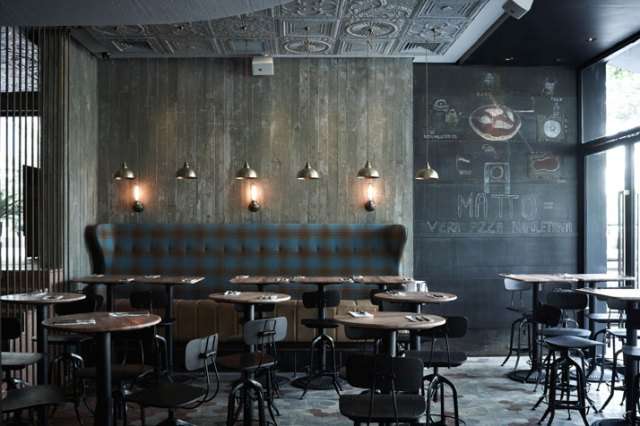
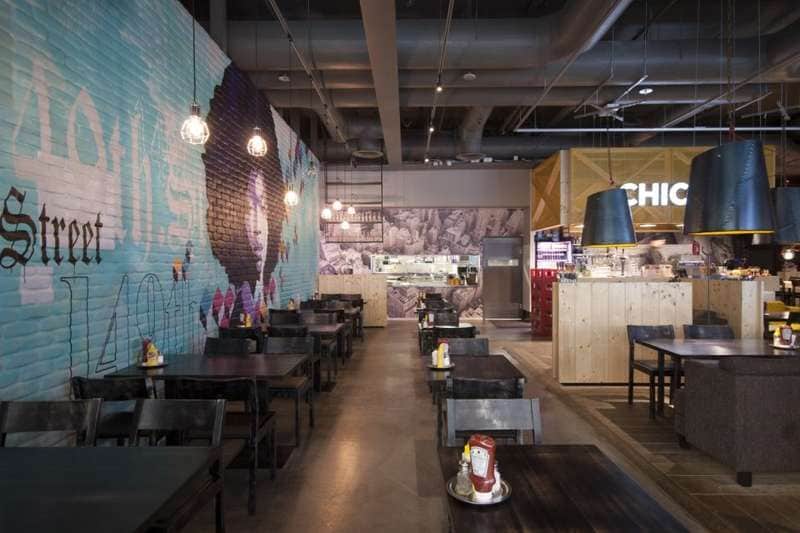
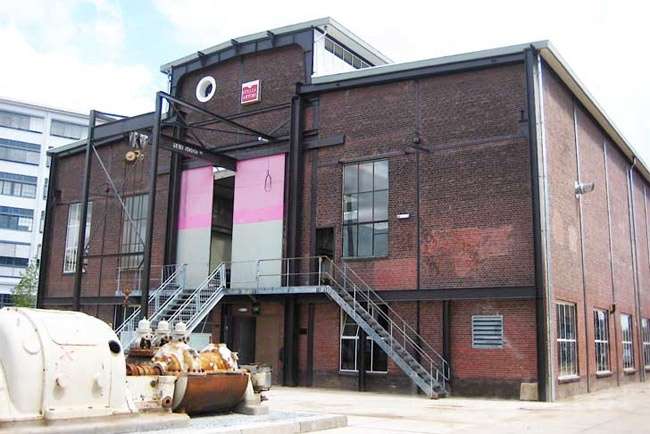
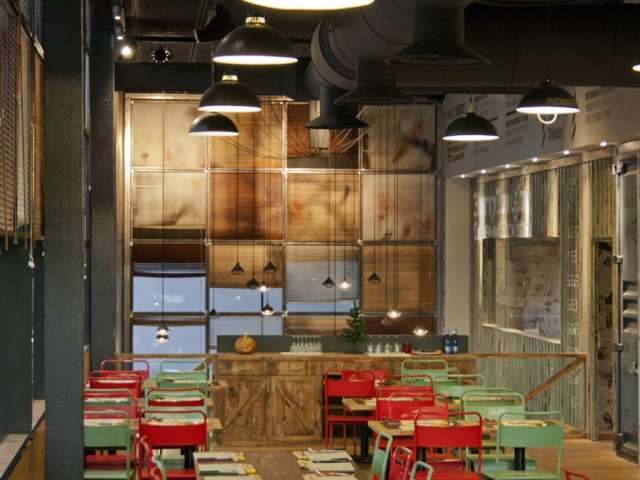
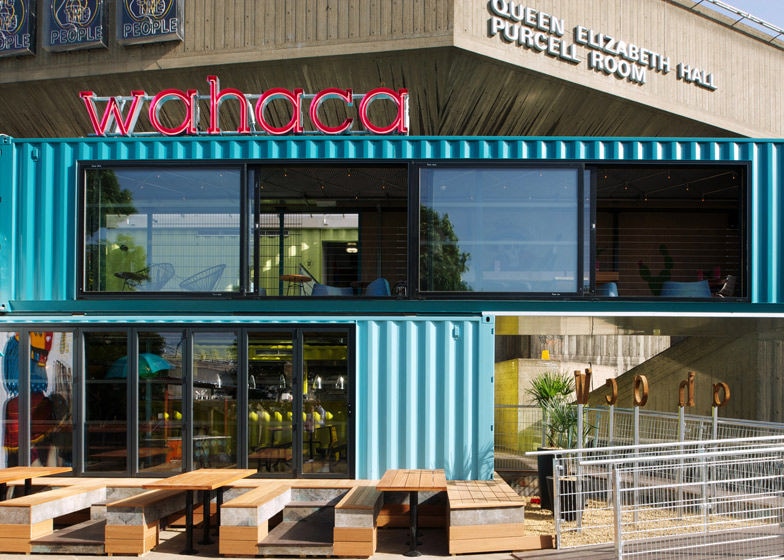
Industrial Dining: The recession hit many hard and continued to put large corporations in a negative light in the eyes of consumers. In a variety of industries, we're seeing consumers embracing rough-around-the-edges experiences, particularly with regards to retail and dining. Shipping container buildings, exposed support beams and intentional rust are all elements of this aesthetic movement away from the sterility of traditional corporate offerings.
Trend themes
Consumers are embracing rough-around-the-edges experiences, particularly with regards to retail and dining.
Designers are repurposing and reusing materials such as shipping containers, recycled furniture and reclaimed wood for new industrial-style eateries.
Eateries are blending modern, chic elements with rustic, industrial elements to create eclectically retro spaces.
Industry implications
From grab-and-go cafes to full-service restaurants, the food and dining industry can leverage the rough-around-the-edges aesthetic movement, repurposing and reusing sustainable materials, and mixing modern and vintage elements in their designs.
Designers, architects, and contractors can develop new business in reimagining industrial spaces into modern, chic, and sustainable eateries using repurposed and recycled materials and the mixing of modern and vintage elements.
The rough-around-the-edges aesthetic movement can be leveraged in retail store design, offering customers a unique and authentic experience and preventing the sterility of traditional corporate offerings.
Trend signals
Trend score 5.1 out of 10, from popularity 69%, activity 77%, freshness 8%.
Evidence
The Matto Bar and Pizzeria is Cozy and Rustic
Opportunity for hotels and restaurants to revamp their spaces with rustic industrial design.
The Amerikka Design Office Chico’s Restaurant is Bold
The restaurant industry can embrace the trend of industrial design and create visually stunning dining experiences.
The Restaurant Radio Royaal is Ruggedly Retro
The rise of industrial warehouse eateries presents an opportunity for the restaurant industry to experiment with unique design concepts and menus that cater to younger generations.
Los Sopranos by Pedro Scattarella Redefines Reclaimed Design
The hospitality industry can leverage reclaimed design to create visually interesting and sustainable venues, providing memorable and conscious experiences for customers.
The Softroom 'Wahaca Southbank Experiment' is Time Sensitive
Adapting to the use of temporary spaces, recycled materials, and artistic collaborations can attract new customers and provide a unique dining experience.