




Category
Lifestyle
Baseline Support
Familiar foods absorb functional nutrition to fit daily habits.
What's Happening
Habitual Protein: Protein is gaining traction by embedding itself into familiar daily routines, with brands incorporating functional benefits into formats consumers already enjoy across meals, snacks, and drinks. By pairing nourishment with comforting flavors, convenient occasions, and complementary benefits, brands are making protein feel less like a fitness product and more like an accessible, everyday choice that fits naturally into existing habits.
Why It's Happening
Consumers increasingly want healthier choices that fit seamlessly into routines they already have, rather than requiring new habits or trade-offs. Familiar formats paired with clear functional benefits help make wellness feel more accessible and achievable. As this consumer desire grows, brands face pressure to offer low-friction health rituals. For brand and product strategists, the key insight is that benefits such as protein gain traction fastest when they enhance existing behaviors, combining enjoyment, convenience, and nutrition in a way that feels effortless.
Evidence
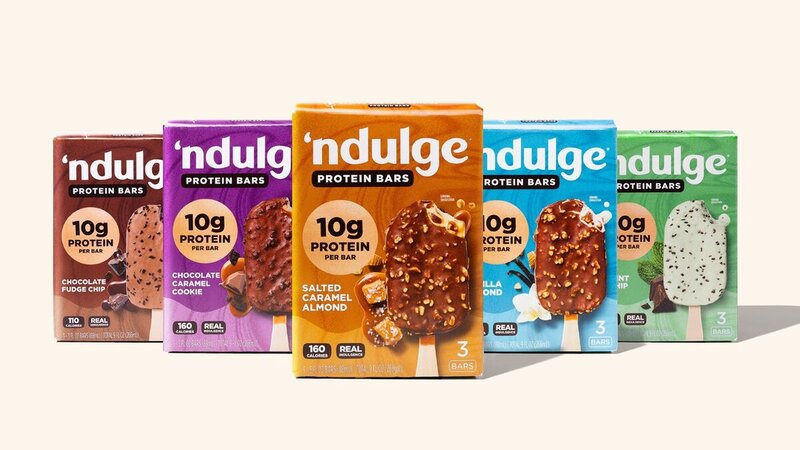
'ndulge Expands into Target as a High-Protein and Low-Calorie Treat
The freezer aisle is becoming a platform for hybrid products that combine convenience, indulgence, and functional nutrition in accessible retail formats.
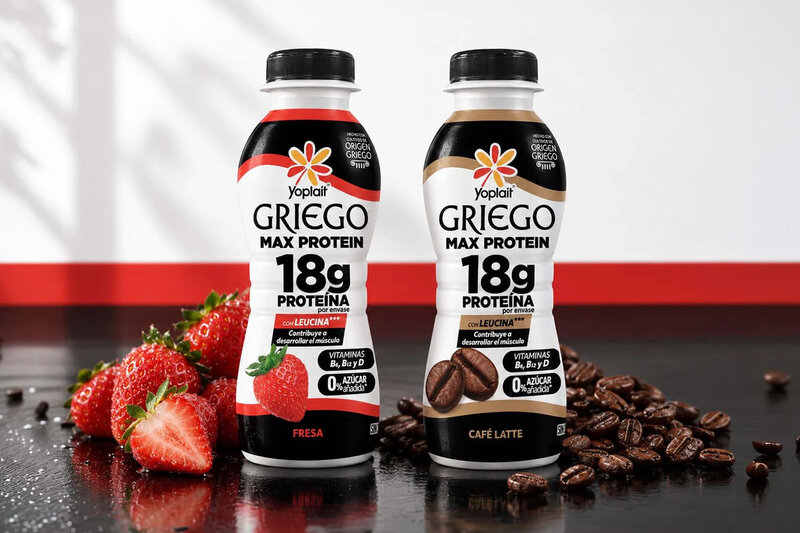
Yoplait's Griego Max Protein Debuts in Mexico
Greek yogurt innovation is expanding beyond cups into drinkable formats that combine texture, nutrition density and convenience for broader health-focused occasions.
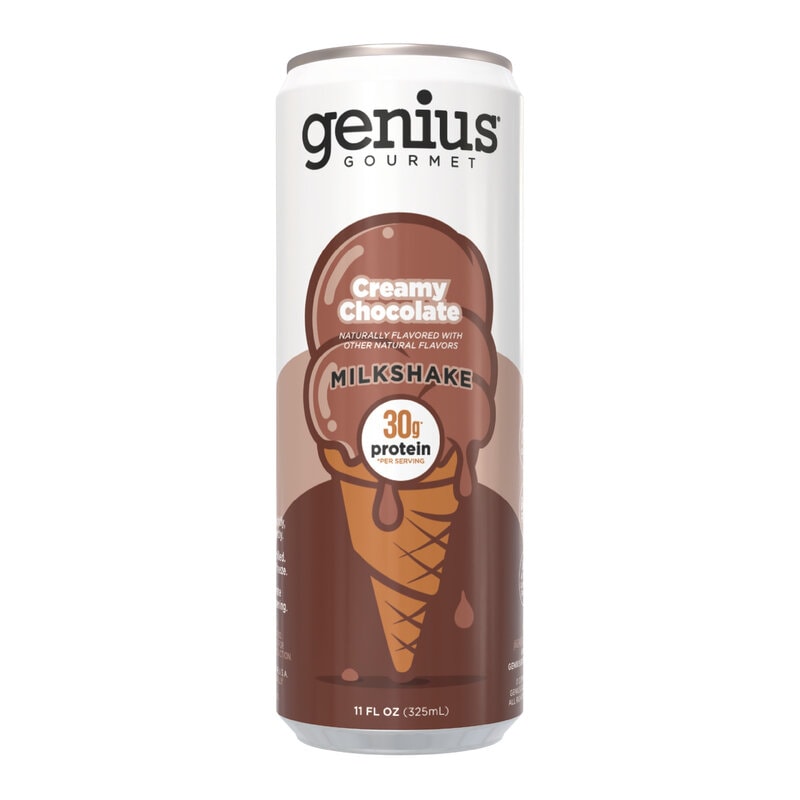
Genius Gourmet Debuted Its Ultra-Filtered Protein Milkshakes
Crowded protein drink shelves are encouraging differentiation through flavor storytelling, texture and lifestyle appeal rather than relying only on nutritional specifications.
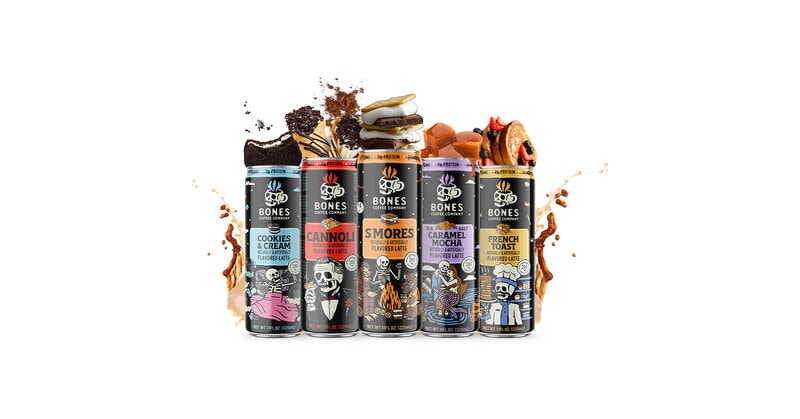
Bones Coffee Company Reformulates Its Ready-to-Drink Lattes
Canned and bottled coffee brands are differentiating through functional benefits and dessert cues, reshaping competition around both energy delivery and flavor experience.
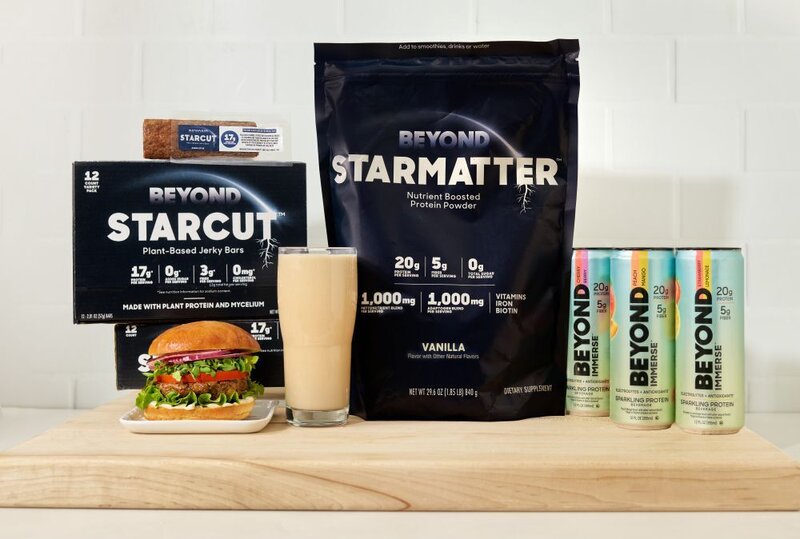
Beyond Meat Combines Protein, Fiber and Phytonutrients Across Formats
The category is evolving from meat replacement toward multifunctional nutrition portfolios that broaden consumer relevance beyond flexitarian eating occasions.
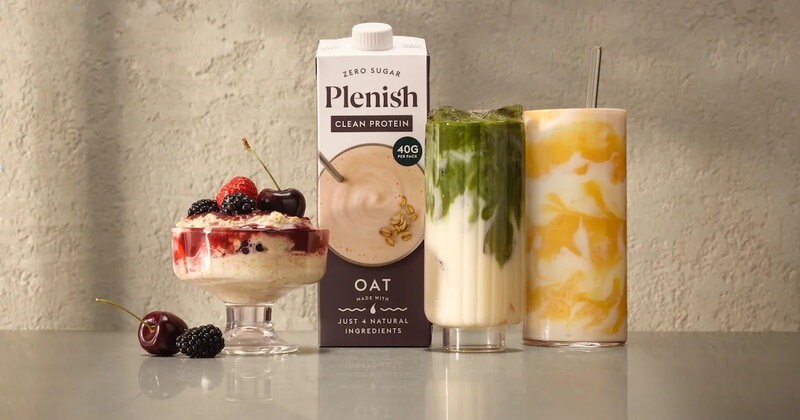
Plenish Launches Protein Oat Drink
The category is expanding beyond dairy replacement into targeted wellness benefits, opening opportunities for differentiated products built around protein, texture and simplicity.
Workshop question
How could your brand add practical health value to a behavior customers already repeat every day?
Trajectory
Latest reading 7.0 for the week of Nov 9, 2026. Holding over the final 3 scored weeks (±0.0), −1.4 from its peak of 8.4 in the week of Sep 7, 2026. Momentum 6.8/10, persistence 0.0/10, backed by 4 research findings.
Trend themes
Protein is shifting from gym-centered supplementation into routine foods and drinks, creating space for brands to embed functional nutrition into breakfast, snacks, desserts, and coffee occasions.
Dessert flavors, nostalgic profiles, and creamy textures are making better-for-you products feel more pleasurable, opening room for wellness offerings that compete on taste as much as nutrition.
Combining protein with probiotics, fiber, leucine, caffeine, or plant nutrients reflects rising demand for multi-benefit products that simplify daily wellness through fewer purchases and occasions.
Industry implications
Mainstream grocery categories are becoming vehicles for functional benefits, with familiar formats serving as low-friction entry points for health-focused product extensions.
Consumer interest in accessible performance, recovery, and nutrition support is broadening the wellness market beyond supplements into lifestyle-oriented daily consumption.
Mass retail rollouts and direct-to-consumer bundles are reshaping discovery for functional foods, giving brands new ways to scale trial, personalization, and repeat purchasing.
9 Trend Hunter articles were grouped into the wider weekly cluster this trend was identified in, over 2 weeks.
Research
All-Day Protein
Consumers are overwhelmed by nutrition complexity, and protein has become a rare shorthand that feels understandable, useful, and socially validated.
It helps people signal discipline, satiety, and health awareness without needing a fully optimized diet. Brands are making protein ubiquitous because it resolves the tension between convenience eating and wellness intent.
Routine Protein
Protein has become a simple, legible shorthand for eating responsibly in a confusing nutrition landscape.
Consumers use it to resolve tensions between convenience and wellness, making protein one of the few claims that feels both aspirational and practical across demographics.
Familiar Protein
Consumers want functional nutrition that does not require identity change.
Everyday protein wins because it lets people signal health consciousness through formats that already belong in their routines, tastes, and treat occasions.
Grocery Protein
Shoppers are looking for one fast, legible signal that a product is worth the calories and the spend.
Protein now solves that need because it suggests fullness, strength and smarter eating without asking consumers to learn a new wellness framework or adopt a specialty diet.