



Category
Lifestyle
Assisted Choices
Items used by consumers on a daily basis are being made antibacterial.


Trend
Everyday Antibacterial: With consumers being overall more germ-conscious in light of the ongoing COVID-19 pandemic, brands are incorporating antibacterial materials and ingredients into products that consumers' use on a daily basis.
Insight
Though the pandemic has become less of a threat for people who are vaccinated, the psychological impact that it had on North Americans has resulted in several changes in people's routines and habits. This is particularly true when it comes to hygiene and cleanliness.
Trend themes
In response to the COVID-19 pandemic, brands are incorporating antibacterial materials and ingredients into products that consumers use daily
Companies are creating sustainable and non-toxic products that enhance skin and environmental health
Packaging companies are developing biodegradable and antibacterial solutions using natural, food-based materials
Industry implications
Antibacterial screens and covers for smartphones and other digital devices are in demand, presenting opportunities for innovation
Sustainable and antibacterial clothing, bedding, and skincare products are growing in popularity
Biodegradable and antibacterial packaging for food and beverage products are gaining traction, providing new options for sustainable packaging design
Workshop question
Trend signals
Trend score 5.4 out of 10, from popularity 74%, activity 77%, freshness 10%.
Evidence
Sunday Citizen Offers Free Shipping to Canada in Time for Summer
The home goods industry can benefit from using more sustainable materials for their products and packaging, as the demand for environmentally friendly options continues to grow.
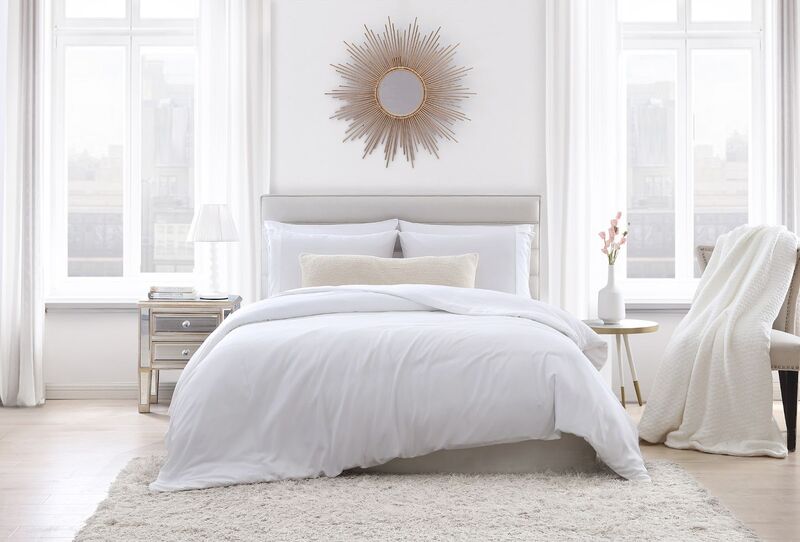
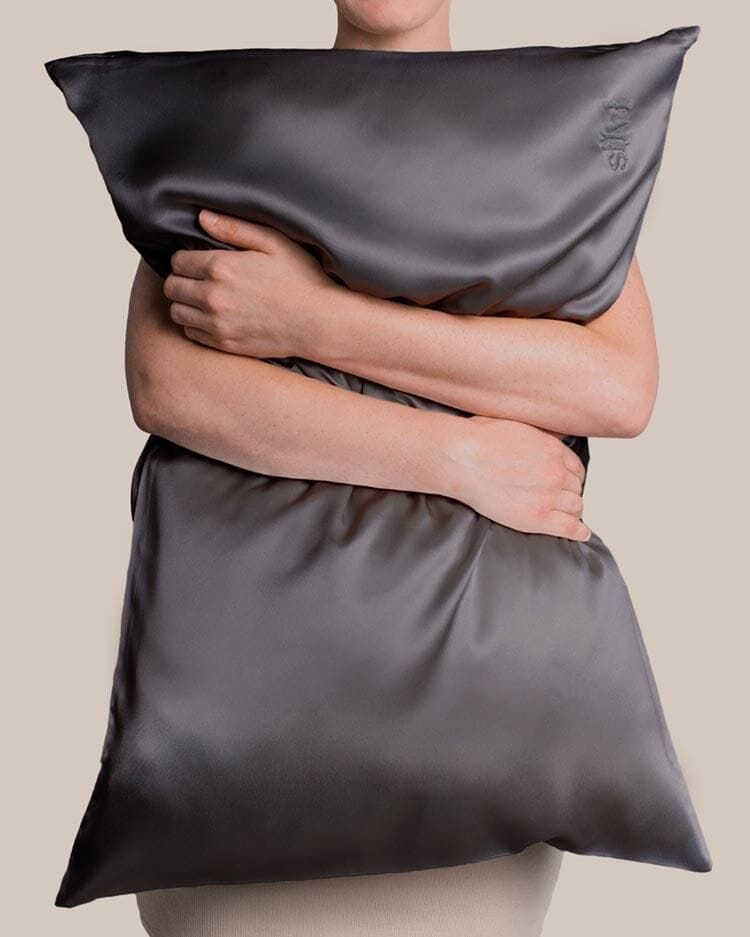
The Silvi Pillowcase is Antibacterial, All Natural and Science-Backed
Opportunities for innovation in the bedding industry, particularly with antibacterial and chemical-free materials.
Gräffenberg Created Comfortable and Skin-Nurturing Clothes
Eco-conscious fashion brands can create sustainable clothing infused with healthy ingredients to promote skin health and environmental consciousness.
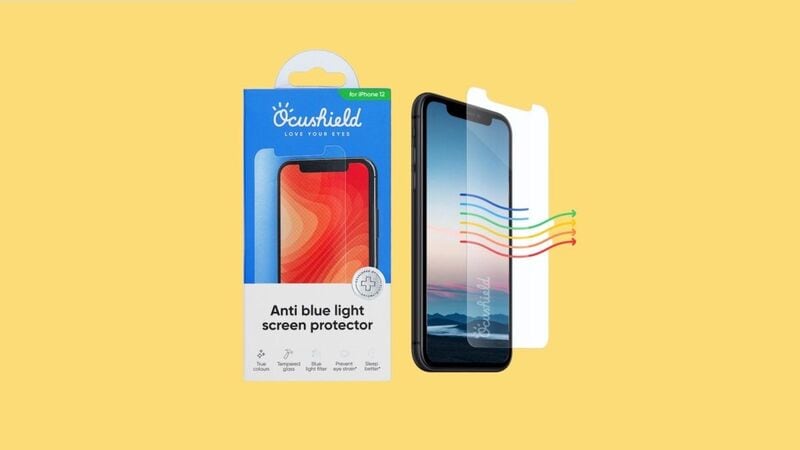
The Ocushield iPhone 12 Screen Protector is Germ-Proof
The smartphone accessories industry can capitalize on the trend of antibacterial screen protectors by offering a wider range of products that cater to consumers' growing concern o…
The Nordifakt 'Christianshavn' Bedding is Made with Polygiene
Textile manufacturers can invest in research and development to create new and innovative antibacterial products like bedding.
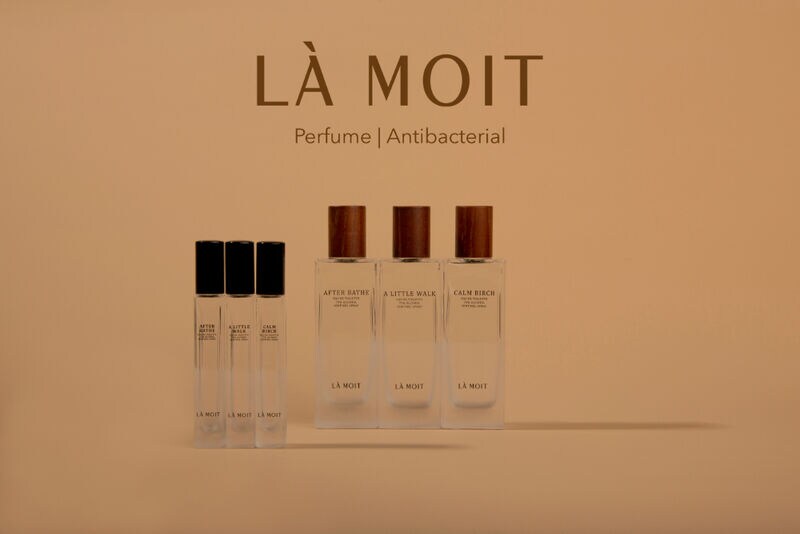
LA MOIT Enhances Perfume with the Qualities of Sanitizers
The personal care industry can harness the trend of multi-functional personal care products and develop more innovative products that cater to the growing demand of hygiene-consci…
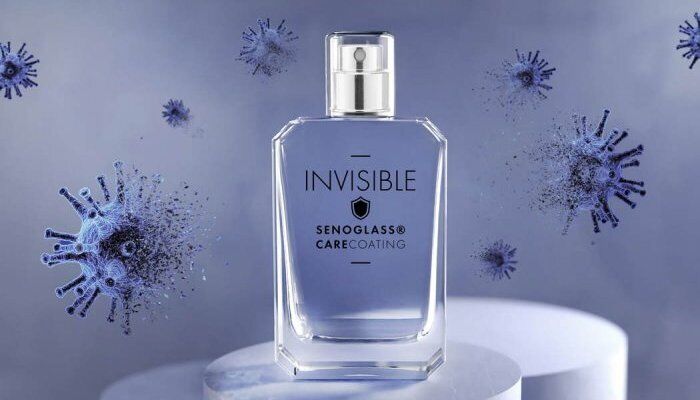
Heinz?Glas & Weilburger Developed an Antibacterial Coating
Integrating self-cleaning glass bottles with antibacterial coating in the food and beverage industry could help maintain food safety while reducing environmental waste from single…
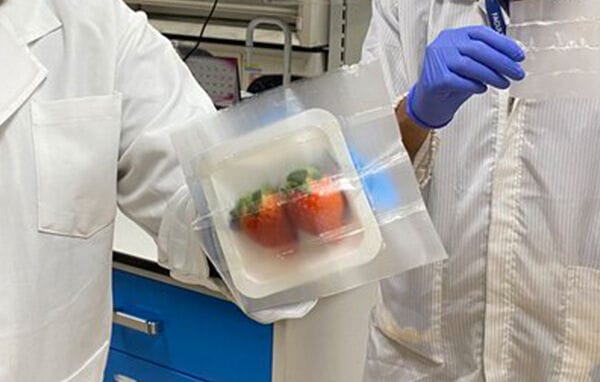
This Plastic-Like Packaging Keeps Food Fresher for Longer
The food industry can utilize biodegradable and antibacterial packaging to reduce food waste and extend the shelf life of perishable foods.






