Category
Fashion
Lifestyle Curations
Treatment-led beauty is being sold through more explicit fit cues.
What's Happening
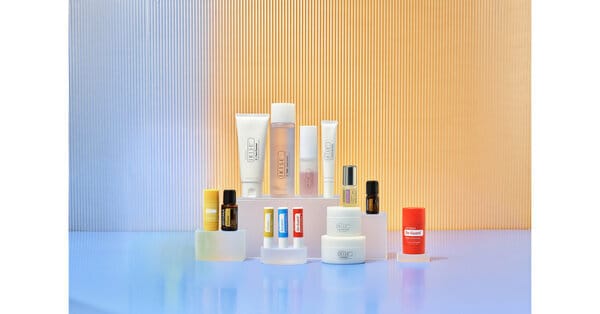
Evidence Matching: Skincare brands are increasingly presenting treatment products as matched solutions for a defined skin concern, rather than as universally useful additions to a routine with brands suggesting formulas or recommendations should respond to individual skin conditions instead of a one-size-fits-all approach.
Why It's Happening
Skincare remains crowded and expensive to trial, so consumers are looking for stronger signals that a treatment is right for them before they buy. As such, diagnostic and personalization cues help brands make a treatment feel selected rather than simply promoted, which can increase trust in higher-intensity claims. Overall, the larger shift is toward fewer but more defensible product choices, so brands need to make fit and rationale as clear as the formula itself.
Evidence
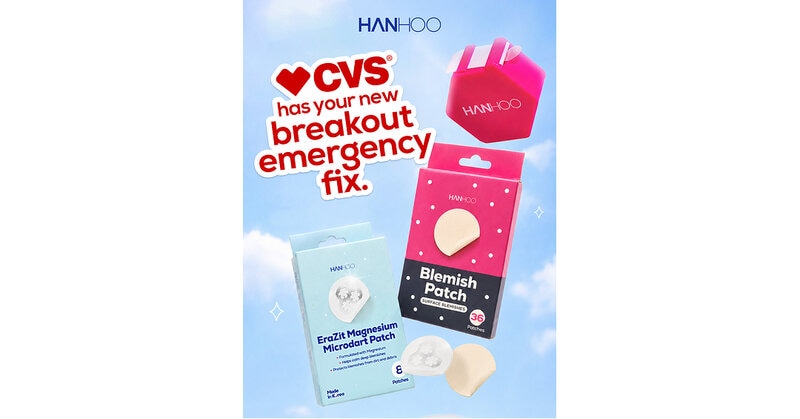
Hanhoo Targets Different Breakouts with Distinct Patch Formats
Specialized breakout products indicate how brands can segment common skin concerns into more precise use cases, increasing basket size through complementary formats.
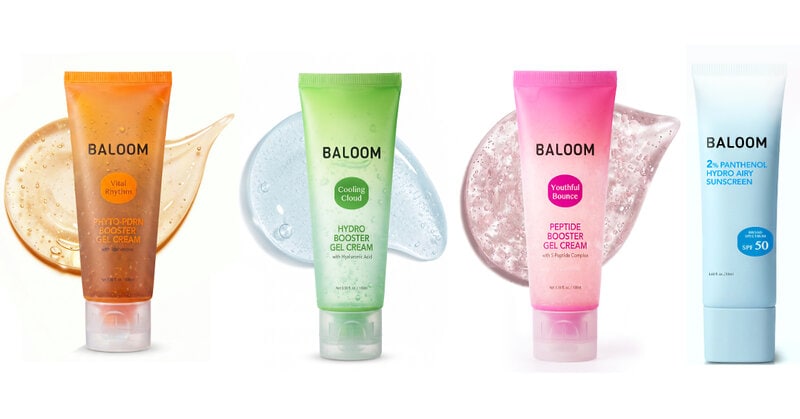
BALOOM Designs Skincare for Gua Sha and Microcurrent Routines
Multi-use textures with active ingredients can reshape facial care by merging sensorial application, treatment benefits and compatibility with beauty tools.
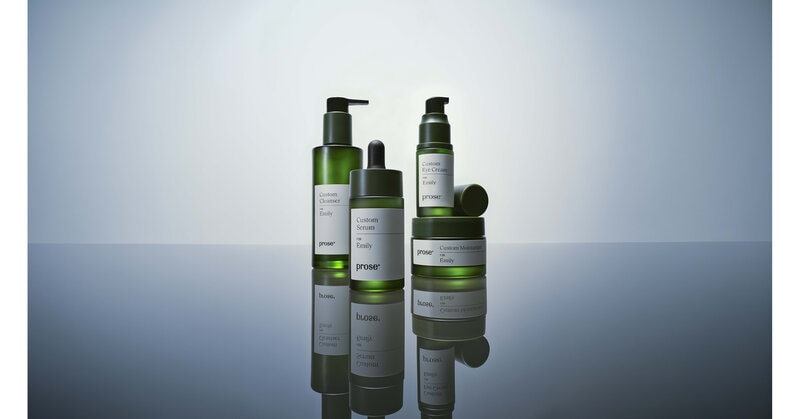
Prose Tailors Serums and Eye Care to Evolving Skin Needs
Custom serums, eye creams, and reusable tools reflect a move toward individualized regimens that can deepen engagement and increase multi-product adoption.
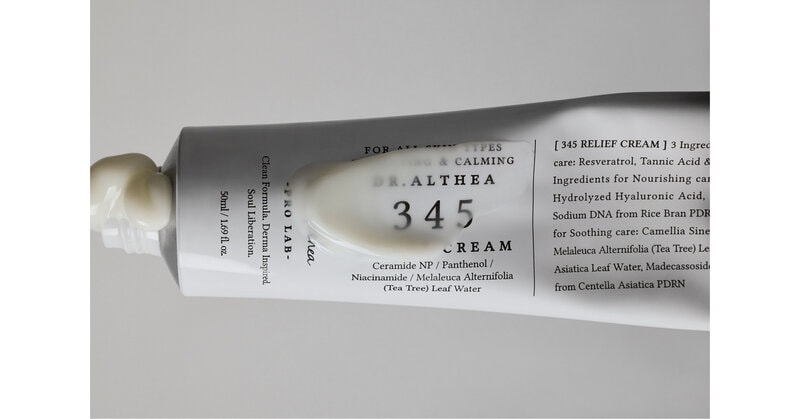
Dr.Althea Expands 345 Relief into a Six-Product Skincare Routine
The category is shifting from standalone treatments toward interconnected routines, opening space for brands to build higher-value assortments around trusted formulations.
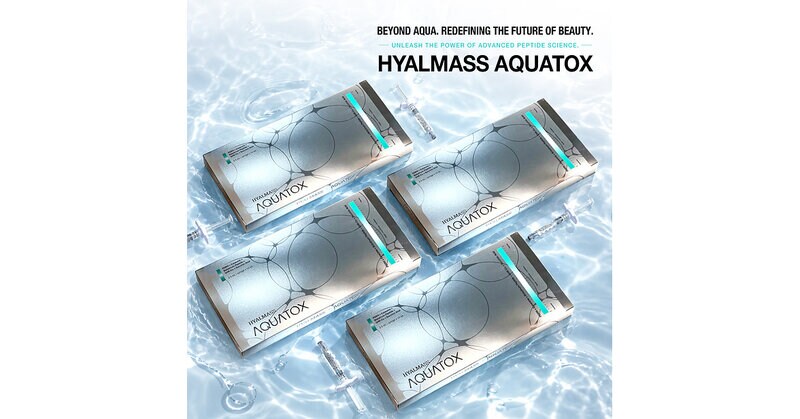
HYALMASS AQUATOX Combines Five High-Interest Aesthetic Actives
Combination formulations give practitioners differentiated treatment options that align with patient expectations for visible results and streamlined post-procedure support.
Workshop question
How could your brand make product selection feel more evidence-based before purchase?
Trajectory
Latest reading 8.8 for the week of Oct 19, 2026. Rising over the final 3 scored weeks (+0.7), −0.1 from its peak of 8.9 in the week of Sep 28, 2026. Momentum 7.6/10, persistence 7.5/10, backed by 4 research findings.
17 Trend Hunter articles were grouped into the wider weekly cluster this trend was identified in, over 4 weeks.
 Sensitive Skin-Focused Repair SerumsDermalogica Launches the Stabilizing Repair Serum in Canada
 Multi-Benefit Texture SerumsCLEARSTEM Packs SMOOTH OVER with Bakuchiol and Peptides
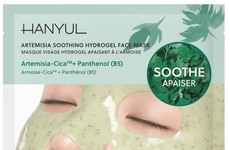 K Beauty-Inspired Hydrogel MasksHANYUL's Hydrogel Face Masks are Nourishing and Targeted
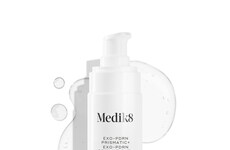 Rejuvenating Luminosity SerumsMedik8 Exo-PDRN Prismatic+ Boosts Skin Recovery
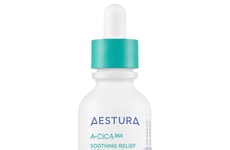 Soothing Sensitive Skin SerumsAESTURA Launched Its A-CICA365 Soothing Redness Relief Face Serum
 Biotech Longevity SkincareBiophysical Therapeutics Brings IF1 Research Into Consumer Skincare
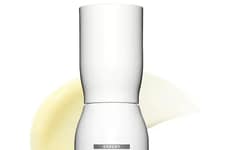 Performance-Driven Retinol SerumsIOPE Calls Attention to Two Expert Retinol RX™ Serums
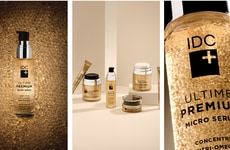 Premium Micro SerumsIDC Dermo Launches the Ultime Premium Micro Serum
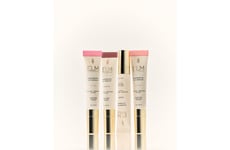 Longevity-Focused Lip SerumsElm Biosciences Targets Visible Signs of Lip Aging
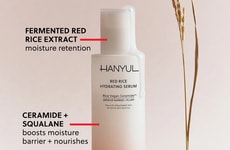 Red Rice-Powered Hydrating SerumsHANYUL Boasts the Red Rice Hydrating Serum with Ceramide
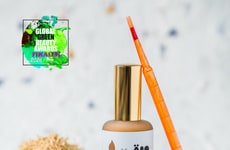 Bio-Fermented Skincare OilsÄIO and tilk! Bring RedOil into a Commercial Serum
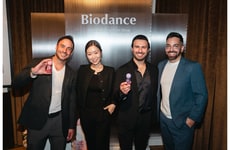 Hydrogel Recovery Sheet MasksNew Study Finds Biodance's Real Deep Mask Aids Recovery
Research
Hybrid Glamcare
Consumers want fewer products that can justify their place in a routine.
Hybrid glamcare matters because it resolves the tension between self-expression and self-optimization, letting beauty feel both aesthetic and beneficial without adding more steps.
Routine Engine
Consumers increasingly want a system, not a single miracle product.
Regimen-building matters because it offers a feeling of order and continuity in a category where inconsistent routines often undermine results, and it gives brands a stronger role as coach, curator, and ongoing partner.
PDRN Everywhere
Once an ingredient becomes nameable across multiple brands and price points, it becomes a consumer shortcut for efficacy.
PDRN matters less as a single formula and more as proof that shoppers increasingly want specific, discussable actives they can compare, search, and use as a proxy for seriousness.
GLP Facecare
Consumers using GLP-1s are discovering that visible side effects can disrupt confidence even when the underlying health or weight-loss journey is successful.
Beauty brands matter here because they offer tools that help people preserve identity, manage appearance shifts, and make medical change feel more holistic and controllable.