Category
Lifestyle
Assisted Choices
Group mockery helps Internet users find the joy in mistakes.

Trend
Crowdsourced Error Mocking: By making light of errors through humor, crowdsourced websites are giving Internet users a new perspective on typically aggravating problems. With the creation of these websites, any trial-and-error mistakes that may occur in a developmental process, be it on a computer or on a phone, can therefore be more easily forgiven and forgotten by their users, maintaining the consumer’s satisfaction with the product.
Trend themes
Crowdsourced websites are giving Internet users a new perspective on typically aggravating problems by making light of errors through humor.
Blogs that analyze grammar and syntax in popular books provide opportunities for new disruptive education and publishing innovations.
Injecting creativity and humor into 404 error pages provides opportunities for graphic and web designers to create memorable and unique experiences.
Industry implications
Web designers can create memorable and unique experiences for users by creatively designing error pages.
Publishers can create new education materials by analyzing grammar and syntax and publishing the results in books and online.
Crowdsourcing and machine learning can improve education technologies by analyzing and providing feedback for student writing.
Trend signals
Trend score 5.4 out of 10, from popularity 75%, activity 80%, freshness 8%.
Evidence
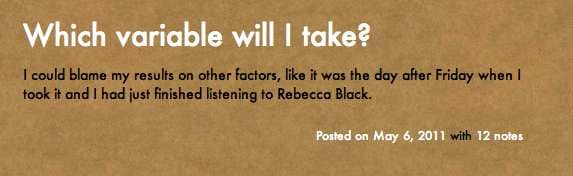
The Sh*t My Students Write Tumblr Makes Fun of Unintelligent Comments
Disruptive innovation opportunity: Revolutionize the education sector by addressing the challenges resulting from educational funding cuts.
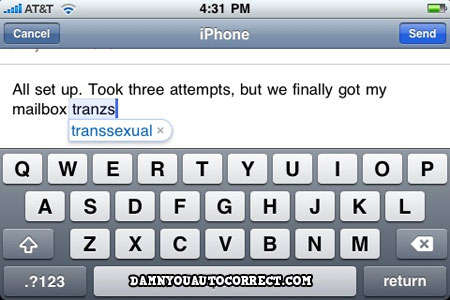
'Damn You Auto Correct' Captures Unintended iPhone Text Miscues
Incorporate innovative auto-correct algorithms into mobile devices to enhance the messaging experience.
These 404 Errors Make Lost and Non-loading Web Pages a Bearable Experience
Web designers can create more engaging and personalized error pages that reflect the tone of their brand.
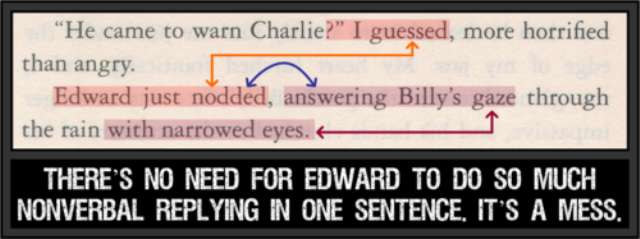
The 'Reasoning With Vampires' Blog Exposes Twilight's Grammatical Gaffes
The demand for professional writing and editing services increases as individuals and businesses strive to enhance the quality and accuracy of their written materials.