

Category
Lifestyle
Baseline Support
Digital tools centralize feeding, play, and scheduling for pet owners.
What's Happening
Connected Companions: Pet care companies are increasingly combining physical functions beyond feeding into systems that can be remotely controlled. Connected, camera-surveilled interfaces manage feeding, play, and care coordination rather than standalone items or manual routines. These systems are intended to help owners check in and manage routines when they are away from home.
Why It's Happening
Many owners want to stay involved in their animals' routines even when work, travel, or shared schedules keep them apart. Tools that extend oversight at a distance speak to that practical and emotional tension. Pet care often involves repeated daily tasks that are easy to miss or duplicate across a household. Connected systems aim to reduce that friction by making routines more visible and easier to manage, and by satisfying multiple quality of life needs at once. Brands in this space can differentiate themselves by developing products and solutions that deliver value beyond conventional expectations within their categories.
Evidence
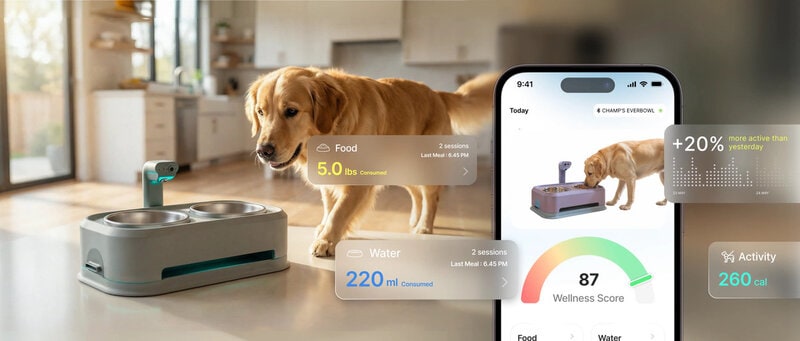
Hoomanely Launched an AI Feeding Bowl for Dog Health
Connected bowls and smart accessories transform routine care moments into health intelligence platforms for owners, veterinarians, and pet wellness brands.
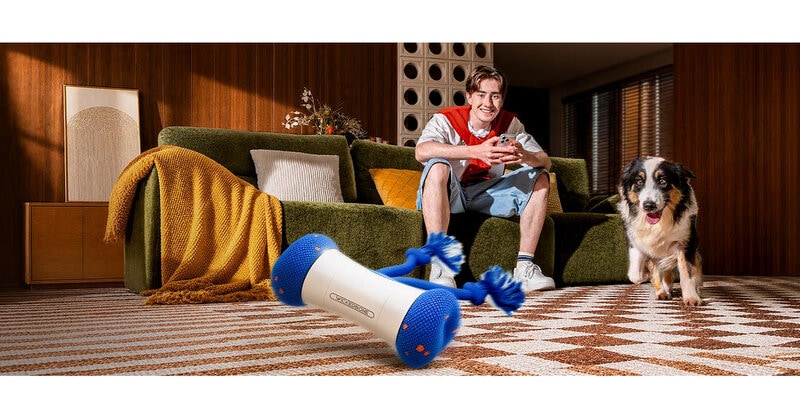
Cheerble's Wickedbone Air Features Joystick Steering
Smart hardware, mobile connectivity, and behavioral design are expanding opportunities for differentiated products in the connected pet care market.
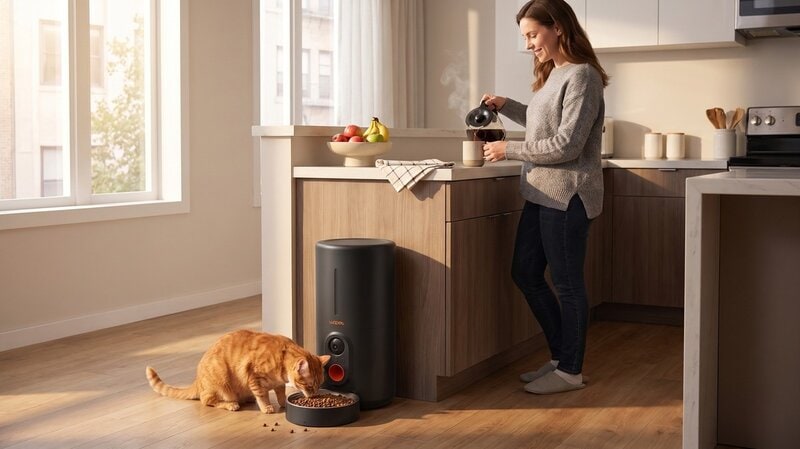
WOpet's Heritage View Pet Feeder Streams 1080p Video
Smart feeders with video, audio, and scheduling features expand the category from automated dispensing into connected wellness and relationship management.
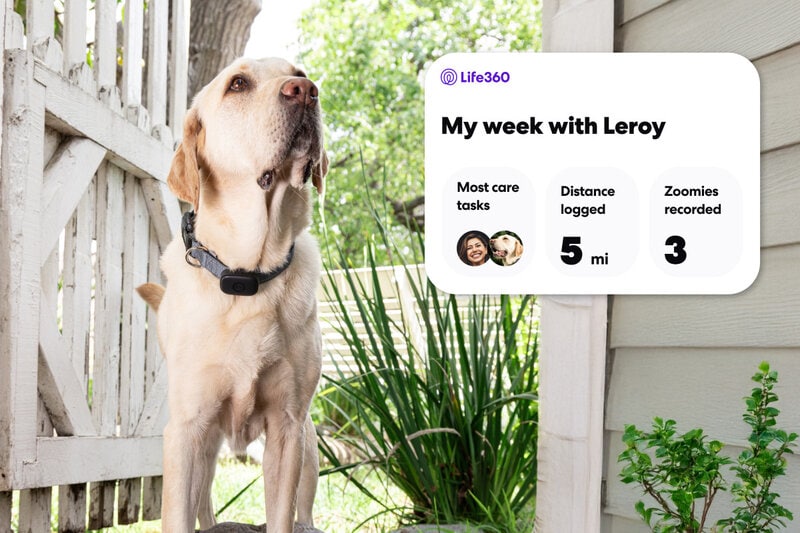
Life360 Launched Its Shared Care Logs for Pet Parents
Connected tags, trackers and care logs are reshaping pet ownership into a data-driven category where safety, routines and household accountability converge.
Workshop question
How could your brand connect physical products and digital tools into one simplified user journey?
Trajectory
Latest reading 5.8 for the week of Sep 21, 2026. Holding over the final 3 scored weeks (±0.0), −2.8 from its peak of 8.6 in the week of Aug 24, 2026. Momentum 1.6/10, persistence 2.5/10.
Trend themes
Camera, audio, and app-based controls turn routine pet care into a monitored experience, creating space for products that blend emotional reassurance with practical household management.
Sensor-equipped bowls and connected devices reveal health patterns through everyday behaviors, opening possibilities for preventative pet wellness services built around continuous, low-friction monitoring.
Multi-user logs, reminders, and access controls reduce duplicated or missed tasks, suggesting new value in platforms that treat pet ownership as a collaborative family workflow.
Industry implications
Connected feeders, toys, trackers, and care hubs are expanding the category beyond single-purpose gadgets into integrated systems for daily animal management.
AI-based intake analysis and behavioral tracking create new pathways for earlier detection, telehealth triage, and subscription-based wellness oversight.
Pet-focused devices increasingly overlap with cameras, automation, privacy controls, and remote access, making companion care a natural extension of connected living ecosystems.