Category
Tech
Automated Upkeep
Wild acts for ‘good' are drawing media attention for awarenes.



Trend
Charitable Shockovations: With the world facing uncertain economic times, companies and charities alike are reaching for the viral potential that comes with shockvertising. Shockvertising was already on the rise, but the credit crunch has given rise to even more clever and peculiar ads. Shock wins against a faltering economy.
Trend themes
Companies and charities are using shockvertising to gain viral attention and financial contribution for charity amidst uncertain economic times.
Using fake protests to raise awareness for various causes and campaigns through humor and comical dressing.
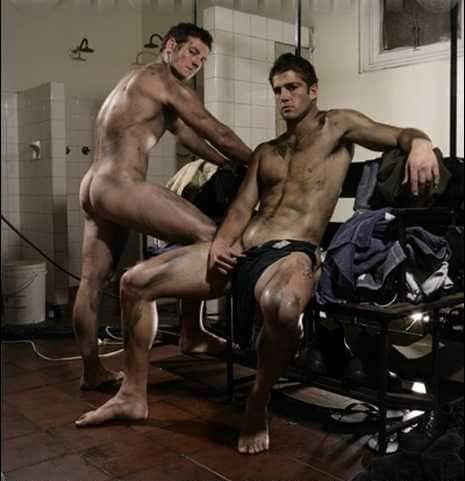
Organizing event auctions that feature bachelors and bachelorettes for exotic date packages towards fundraising for cancer research.
Industry implications
Charities can use disruptive innovation such as shockvertising to gain media hype and financial contribution from individuals and corporations.
Activist groups can grab the attention of the masses with humorous protests and creative displays to gain media coverage and awareness for their campaigns.
Auction companies can tap into the charity scene by offering fun experiential date packages as well as partnering with businesses and celebrities to offer auction-worthy experiences.
Trend signals
Trend score 4.6 out of 10, from popularity 65%, activity 65%, freshness 8%.
Evidence
Toronto's Finest Auction 2009 for Bachelors and Bachelorettes
Innovative fundraising ideas like Toronto's Finest Auction can provide a fresh approach for nonprofit organizations in raising funds for various causes.
UNICEF Tap Project Uses Female Impersonators
Opportunity for advertising agencies to leverage celebrity impersonation in creative campaigns for social causes.
Toronto's North York General Hospital Underwear Affair
The event planning industry can capitalize on the trend of costume marathons by offering specialized event services and theme-related logistics to create memorable experiences.
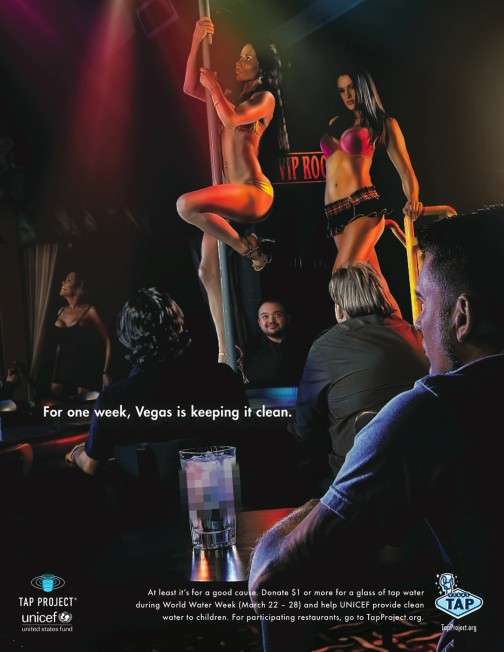
The UNICEF Tap Project ‘Keep It Clean' Campaign
Charitable organizations can leverage the power of cause marketing to raise funds and create awareness for their causes.

Revealing Paintings by Today Show Cast To Benefit Charity
Art market can potentially benefit from the sentiment attached to artwork created by non-professional artists.